Blog
Solar Booster Pumps for Homes in Kenya

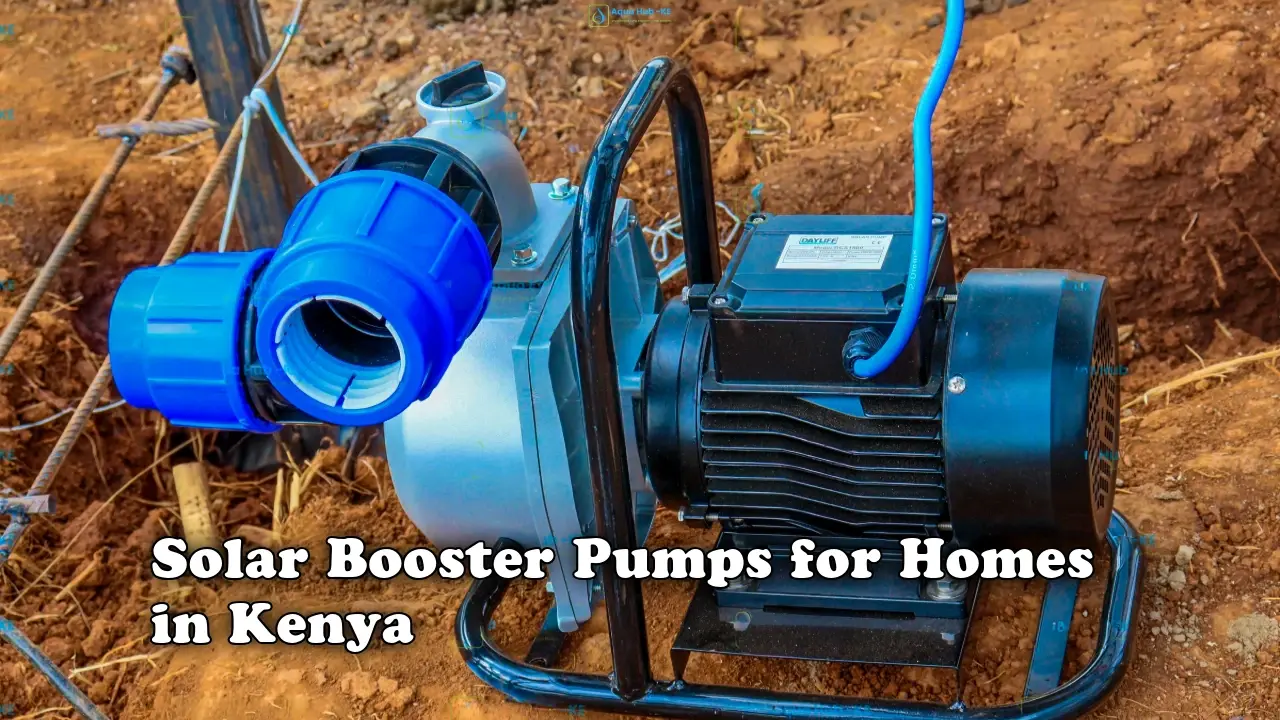
Solar booster pumps for homes cost KES 30,000 to KES 150,000 per pump at Aqua Hub Kenya, depending on the size and brand.
A booster pump raises the pressure of water that already reaches your house, which helps when taps run slowly or the shower barely flows. Because a solar model runs on power from a panel, it keeps working during power cuts and adds nothing to your electricity bill. As a result, it suits homes on low-pressure mains supply or rooftop storage that need steady flow at every tap.
Aqua Hub Kenya stocks solar booster pumps for bungalows and maisonettes, and our technicians set them up at your home. If you want a pump that matches the number of taps in your house, you can call +254790719020 and describe your water setup.
Cost of Solar Booster Pumps for Homes from Aqua Hub Kenya
Solar booster pumps at Aqua Hub Kenya cost KES 30,000 to KES 150,000, depending on the size and brand of the pump. In addition, the right pump depends on the number of taps in your house and the height of the highest tap, so our team matches the size to your home.
Prices change with stock and the details of your house. Therefore, get the exact price for your home by calling +254790719020 before you buy. For a wider view of the pumps we supply, see our guide to water pumps in Kenya.
How Solar Booster Pumps for Homes Work
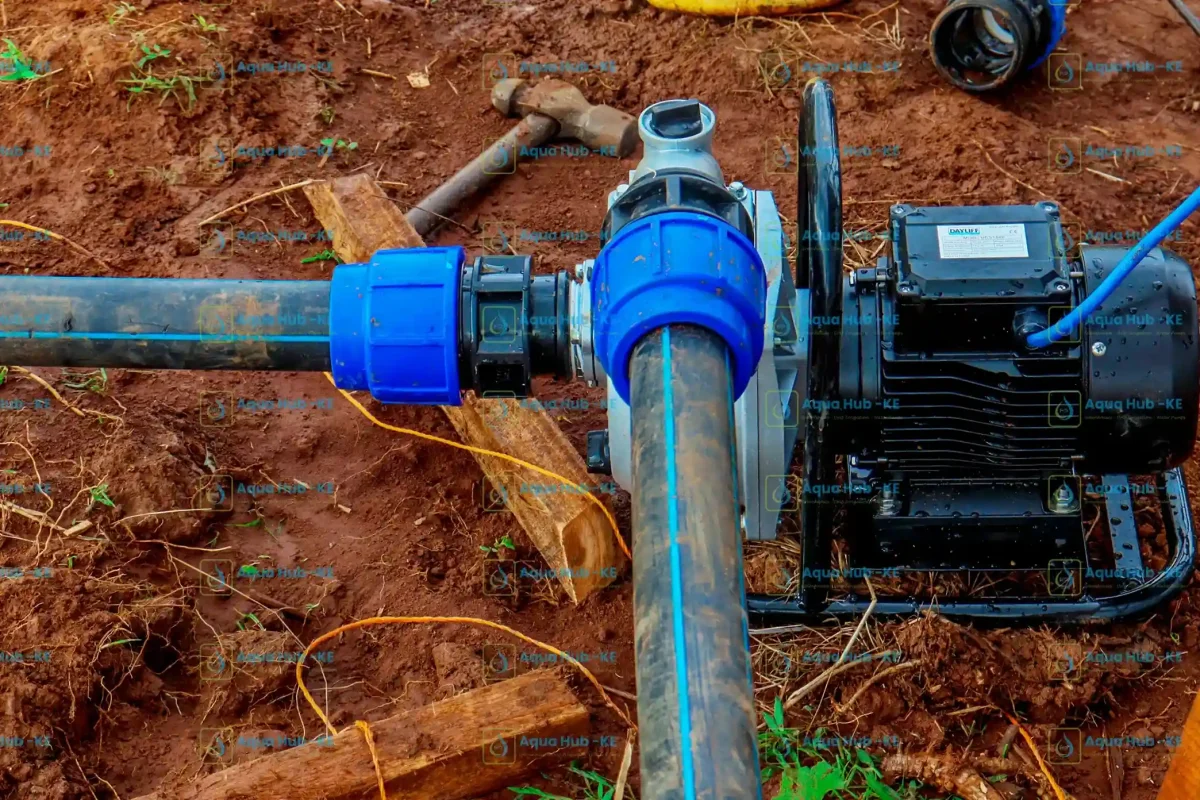
A solar booster pump sits between your water storage and the pipes that feed the house. The pump draws water from the storage outlet and pushes it into the house line at a higher pressure.
The system has four main parts:
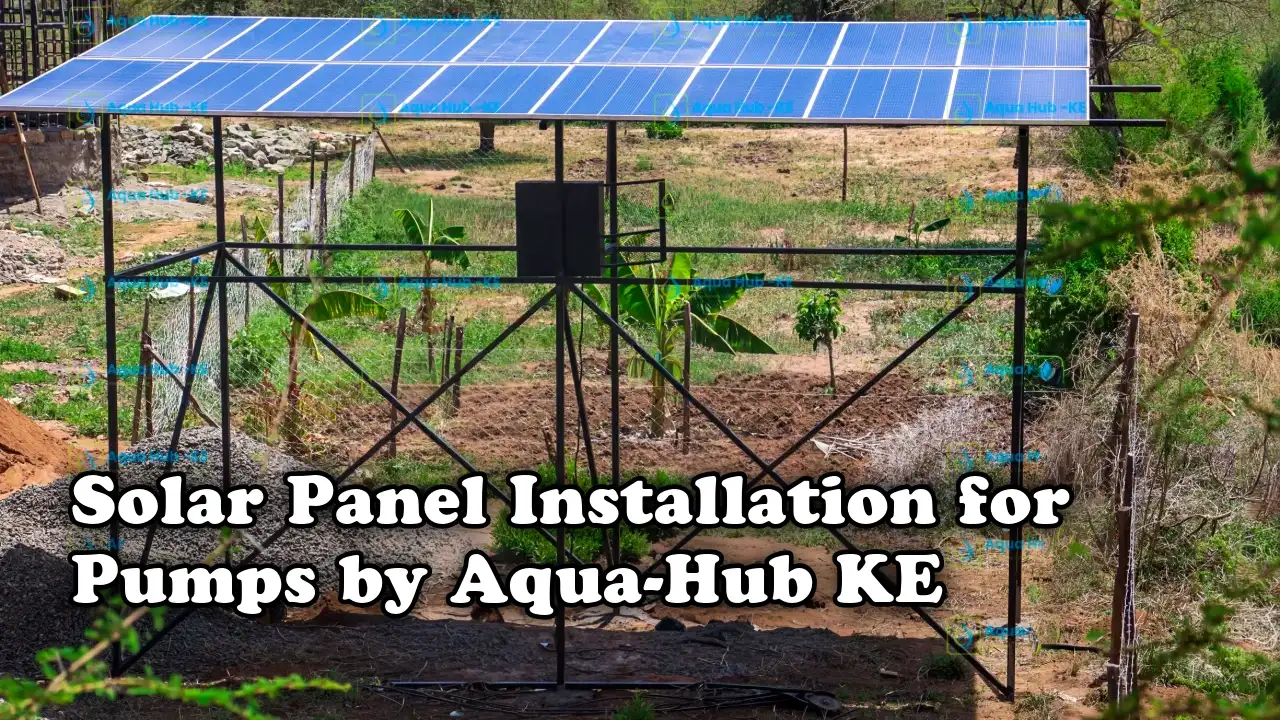
- Solar panel that turns sunlight into power for the pump.
- Controller that manages the power between the panel and the pump.
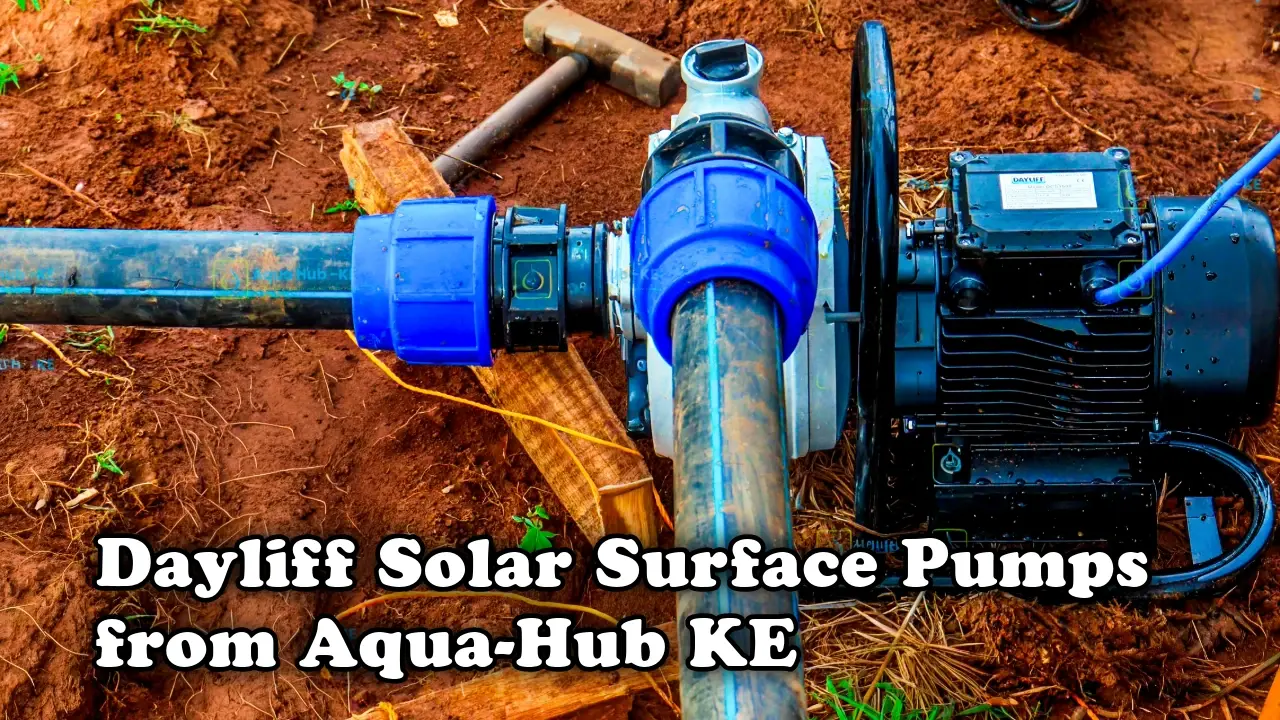
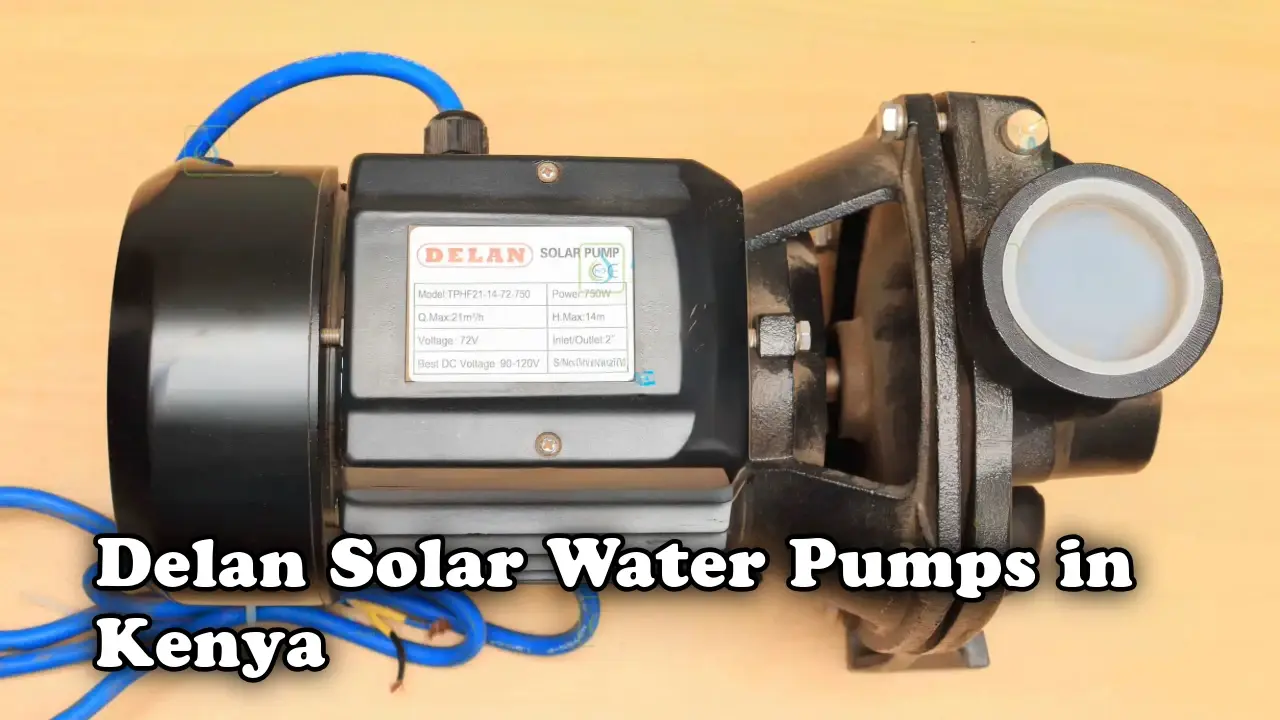
- Pump unit, which raises the water pressure.
- Pressure switch that starts the pump when you open a tap and stops it when you close all taps.
When you open a shower or a kitchen tap, the pressure in the line drops. Next, the pressure switch starts the pump, which runs until you close the tap and the pressure builds again. Because the pump only runs while water flows, it uses the panel’s power for short periods through the day.
Household Uses for Solar Booster Pumps Supplied by Aqua Hub Kenya
Low pressure causes problems in many parts of the house. With a booster pump, you get stronger flow for daily tasks that need more than a trickle.
Common uses in Kenyan homes include:
- Showers that need a steady flow, especially on upper floors.
- Washing machines, which fill slowly or show an error when the water pressure is too low.
- Electric showers, which switch off the heater when the water pressure is too low.
- Garden hoses and small drip kits for a kitchen garden.
- Car washing and cleaning of the compound.
- Rental flats where several units share one storage outlet.
Additionally, a booster helps where the storage sits close to the roofline, because a short drop gives very little pressure on its own. For example, storage on a low stand gives less pressure at the taps, and a booster pump raises it.
Sizing Solar Booster Pumps for Homes from Aqua Hub Kenya
When sizing solar booster pumps for homes, the right model depends on the number of outlets you use at the same time and the height of the highest tap. Before you buy, count the taps and appliances that could run together during the morning rush.
Bungalow Setups from Aqua Hub Kenya
In a bungalow, all the taps sit on one level, which means the pump only needs to overcome the length of the pipes. For this reason, sizing in a bungalow depends mostly on how many taps and appliances run at the same time.
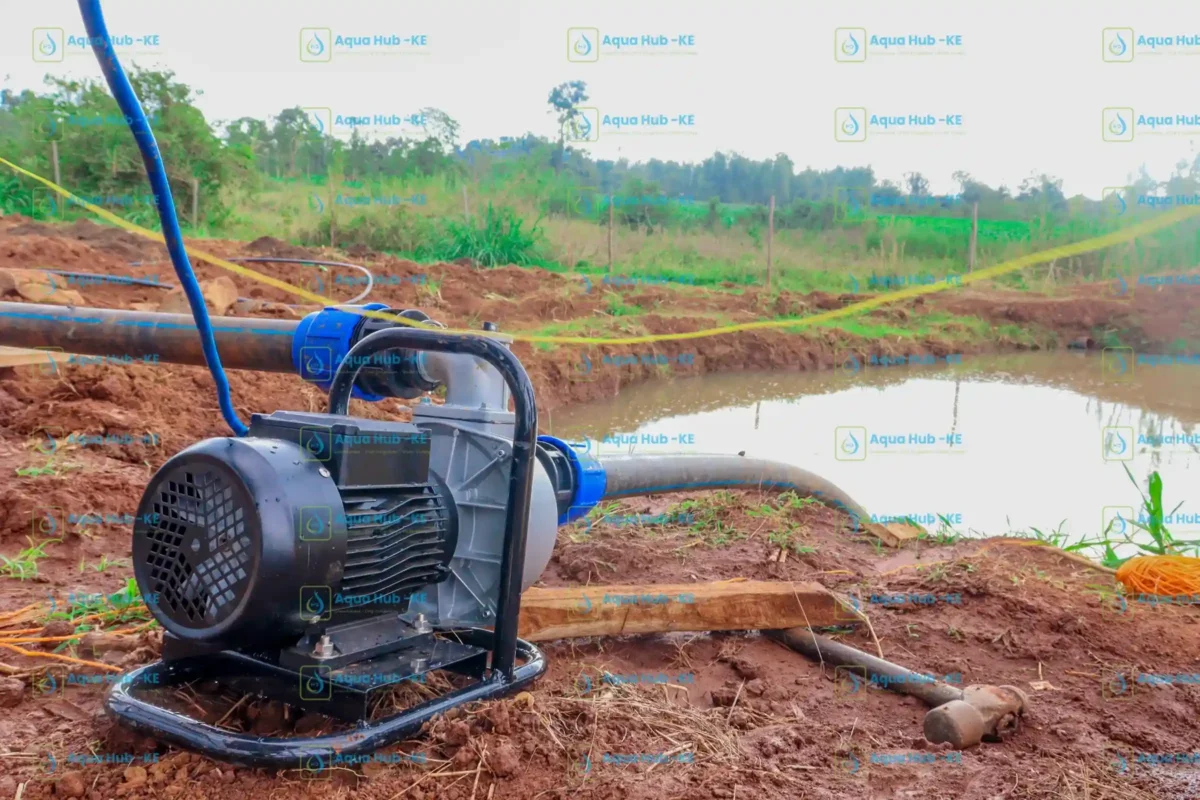
Homes with a Kitchen Garden
If you also water a kitchen garden from the same supply, plan for the garden hose running at the same time as a tap inside. Our team will size the pump for the hose and the tap together.
Maisonette Setups Supplied by Aqua Hub Kenya
In a maisonette, the bathrooms upstairs sit several metres above the storage outlet. As a result, the pump needs enough pressure to lift water to the top floor and still deliver a good flow at the shower. When the storage sits on the ground, the pump also does all the work of lifting water, which requires a stronger model. On the other hand, storage on the roof of a maisonette adds some pressure before the pump starts.
Before our team suggests a model, share the number of floors and bathrooms with us. With those details, we can match the pump to your house.
Panel Placement on the Roof or Compound
The panel only produces power when sunlight reaches it, which means placement affects how well the pump runs. Therefore, keep the panel clear of shade, because the pump runs best on full sun.
To begin with, choose a spot that gets full sun from mid-morning to mid-afternoon, with no shade from trees or nearby buildings. Next, tilt the panel by at least about 10 degrees, because rain then washes dust off the surface. Additionally, keep the cable from the panel to the pump as short as you can.
Mount the panel on the roof or on a raised frame in the compound, where it receives the most sun. If your compound has no sunny spot near the pump, our technicians can place the panel elsewhere and run the cable to the pump. For a wider look at home solar systems, see our guide to domestic solar panel installation.
Installation of Solar Booster Pumps for Homes by Aqua Hub Kenya
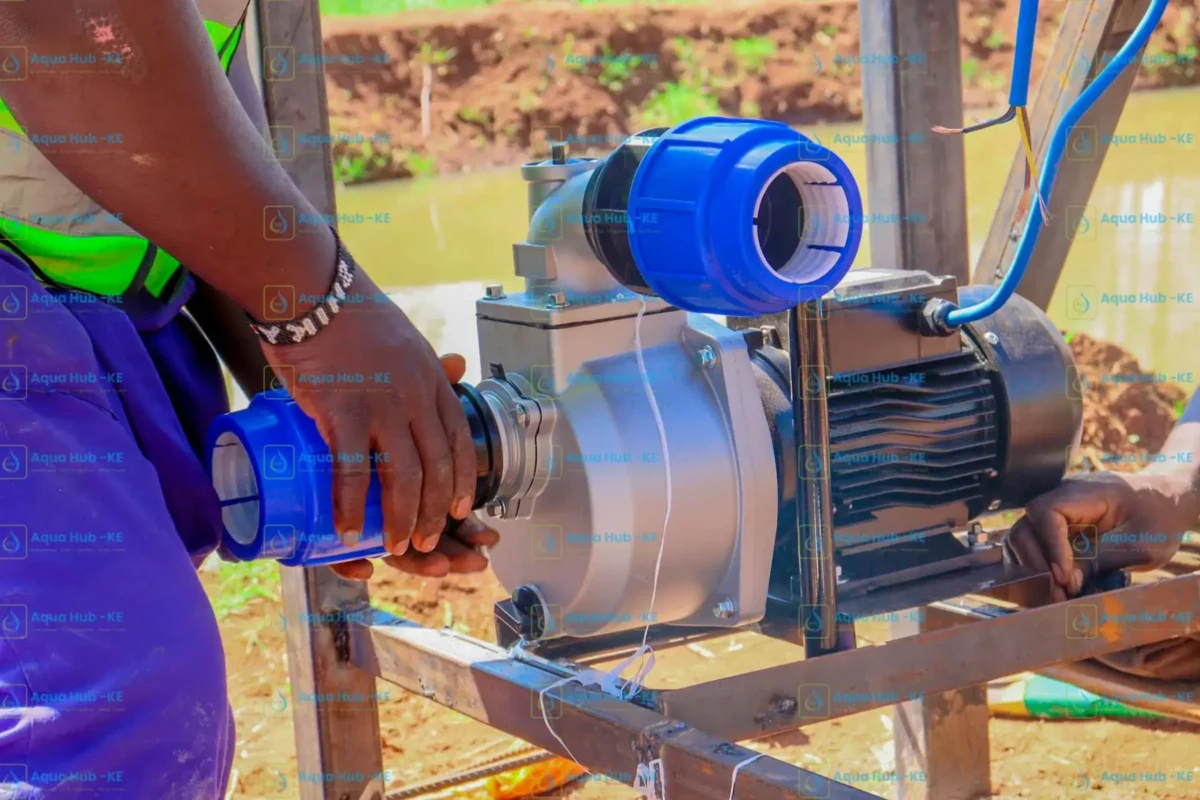
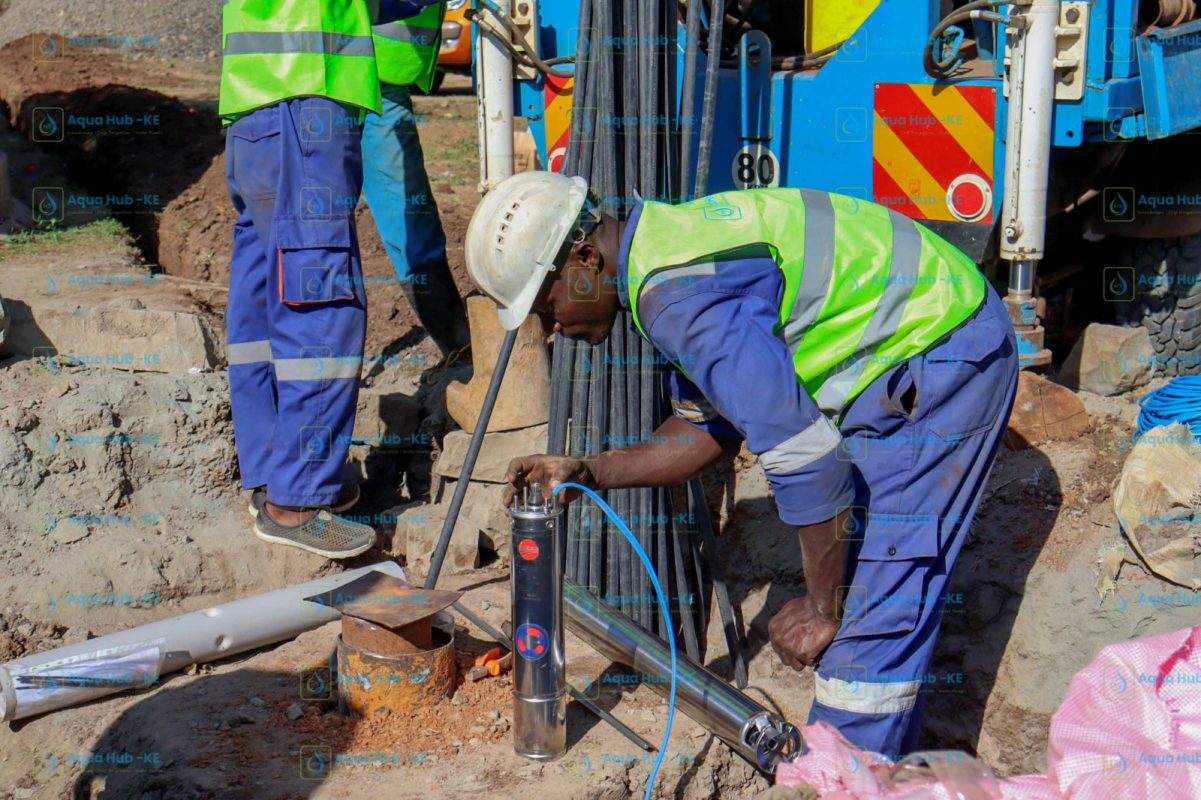
Aqua Hub Kenya’s technicians install solar booster pumps at your home and test every tap before they leave. The work follows the layout of your plumbing and the position of your water storage, and our team works through these stages:
- To begin with, they inspect the storage outlet and the main pipe that feeds the house.
- Next, they choose a shaded, dry spot for the pump close to the storage outlet and set it on a firm base.
- Afterwards, they mount the panel in full sun and run the cable to the controller.
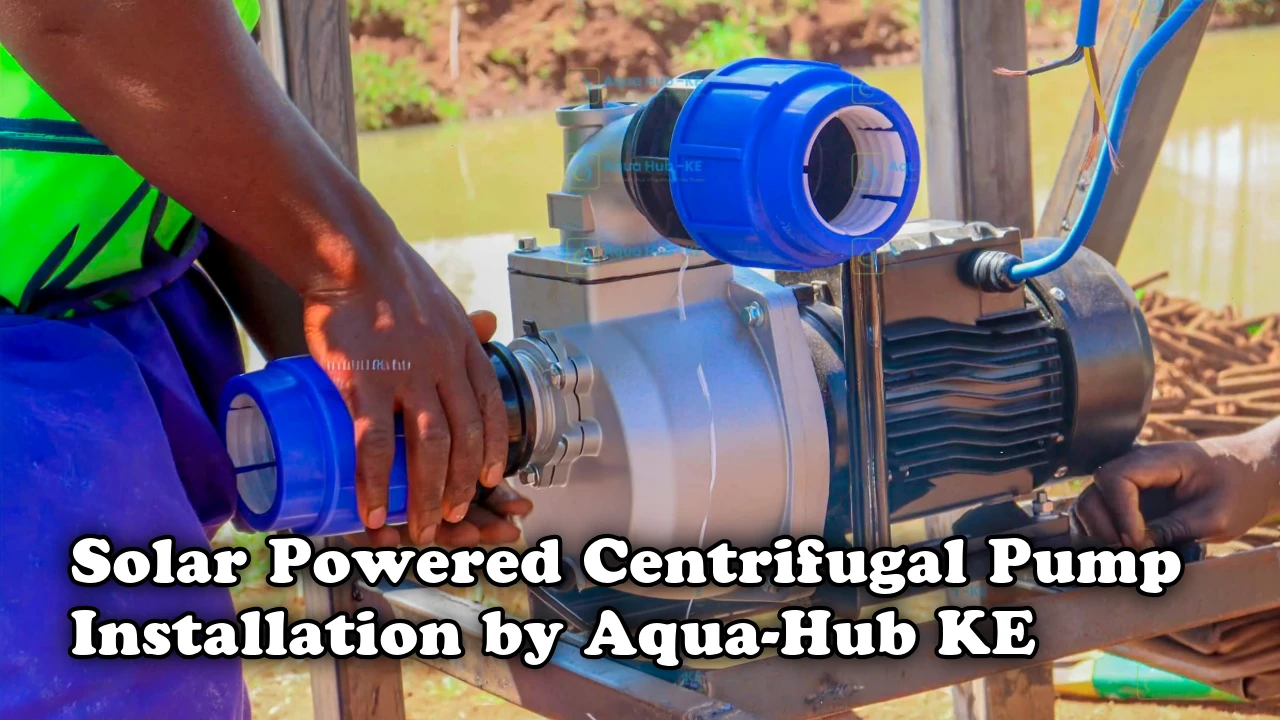
- Once the panel is in place, they connect the pump’s suction side to the storage outlet and its delivery side to the house line.
- They then add a bypass connection, so water still reaches the house if the pump is switched off for maintenance.
- Subsequently, they wire the controller to the pump and set the pressure switch to suit your taps.
- Finally, they open each tap in turn to check the flow and look for leaks along the new joints.
To book installation of a solar booster pump at your home, call +254790719020.
Maintenance of Solar Booster Pumps
These pumps need little attention, but a few regular checks keep the pump and the panel working well. Moreover, most of these checks take only a few minutes.
Plan these checks into your home routine:
- Wipe dust off the panel with clean water and a soft cloth after long dry spells, since rain alone may not clear it.
- Keep the water storage topped up, so the pump always has water to draw.
- Clean the inlet strainer when you notice the flow dropping.
- Look for drips at the pump joints and tighten any loose fittings.
Why Choose Aqua Hub Kenya for Solar Booster Pumps for Homes?
Aqua Hub Kenya is a trusted supplier of pumps for both farms and homes across Kenya. Besides that, you can browse the solar pumps and domestic water pumps on Aqua Pumps before you decide.
Our team works from the details of your house before suggesting a model, including the number of floors and the position of your storage. Additionally, our technicians install the pump and test every outlet at your home. To ask about a pump for your house, call +254790719020 or email info@aquahubkenya.co.ke with the number of bathrooms and floors.
Frequently Asked Questions
How Much Does a Solar Booster Pump Cost in Kenya?
A solar booster pump costs KES 30,000 to KES 150,000 in Kenya at Aqua Hub Kenya, depending on size and brand. For the exact price for your home, call +254790719020.
Can a Solar Booster Pump Work at Night?
A solar booster pump runs on daylight, and optional batteries or a backup inverter let it keep running at night or on cloudy days. Likewise, water in raised storage stays available at night.
What Is the Difference Between a Booster Pump and a Submersible Pump?
The difference between a booster pump and a submersible pump is where each one sits and what it does. A booster pump sits above ground and raises the pressure of water you already have, while a submersible pump sits inside a borehole and lifts water to the surface. You can see the borehole pumps on Aqua Pumps for comparison.
Can I Run a Shower With a Solar Booster Pump?
You can run a shower with a solar booster pump, as long as the pump suits the number of outlets you open at the same time.
Where Should I Put the Solar Panel?
Place the panel where it gets full sun from mid-morning to mid-afternoon, on the roof or on a raised frame, with no shade from trees or buildings.
Does a Solar Booster Pump Save on Electricity?
Yes, because after installation the pump runs on sunlight, so it adds no monthly electricity cost.
What Is a Solar Booster Pump Used For?
A solar booster pump raises water pressure for showers, toilet flushing, kitchen taps and lawn watering. It sits between your water storage and the pipes that feed the house. It also helps garden hoses and small drip kits run at better pressure.
Can I Use a Solar Booster Pump for My Kitchen Garden?
You can use a solar booster pump for your kitchen garden to run a hose or a small drip kit at better pressure.
Does Aqua Hub Kenya Install Booster Pumps at Home?
Yes, Aqua Hub Kenya installs booster pumps at home, and our technicians connect the pump to your water supply before setting up the panel. To book installation, call +254790719020.
Final Thoughts on Solar Booster Pumps for Homes from Aqua Hub Kenya
Using power from a panel, a solar booster pump raises the water pressure in your home, which keeps showers and taps flowing during power cuts. Once you match the pump to your floors and bathrooms and keep the panel clean, the system needs very little attention.
Our solar booster pumps for homes cost KES 30,000 to KES 150,000, and our technicians install them at your home. To find the right pump for your house, speak to our team through +254790719020 or email info@aquahubkenya.co.ke.