Blog
Diesel vs Petrol vs Solar Pumps | Best Pump for Irrigation

If you are setting up irrigation on your farm, one of the first decisions you face is what the best pump for irrigation is. Diesel, petrol and solar pumps are the three most common options for Kenyan farmers. Each option has its advantages and limitations.
This post breaks down how each pump type works, what it costs to run, where it performs well and where it falls short. Therefore, you can make the right call before spending money on equipment.
Reach out to us via telephone through 0790719020 or email info@aquahubkenya.co.ke to know the best pump for irrigation based on your specific farm and water source.
How Each Pump Type Works
Diesel Pumps
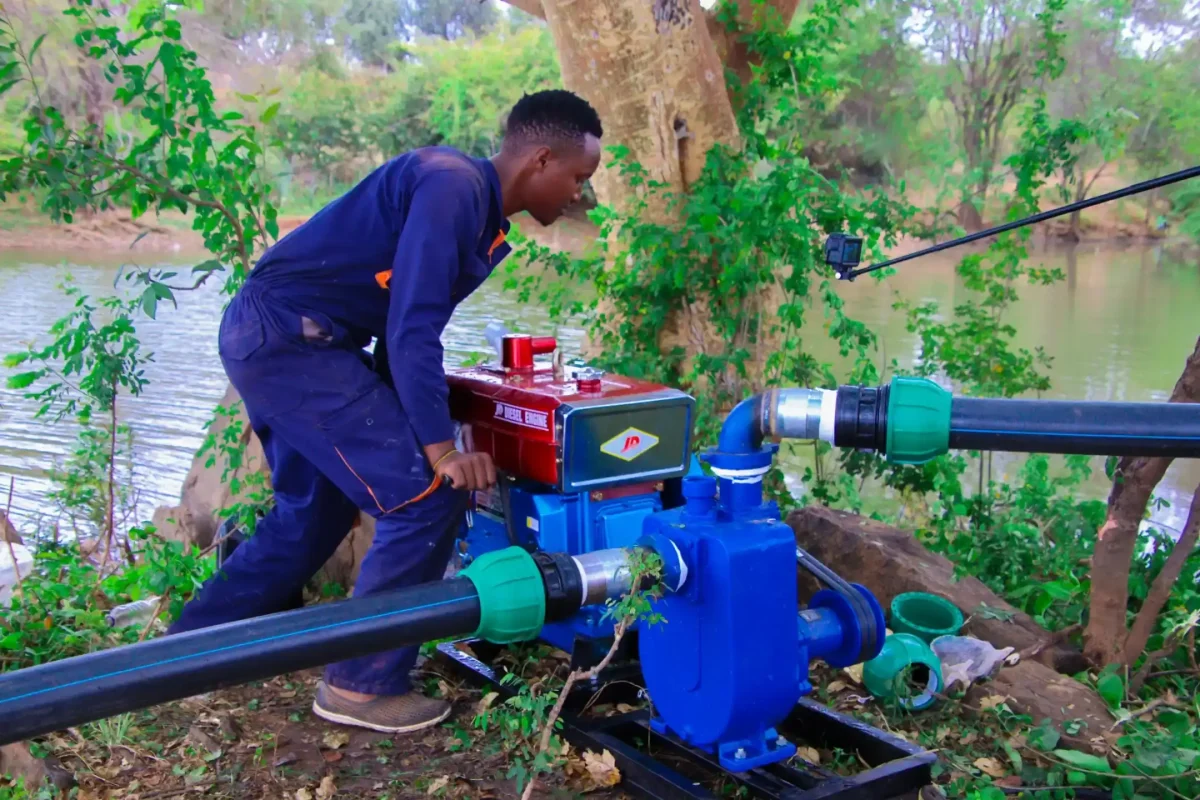
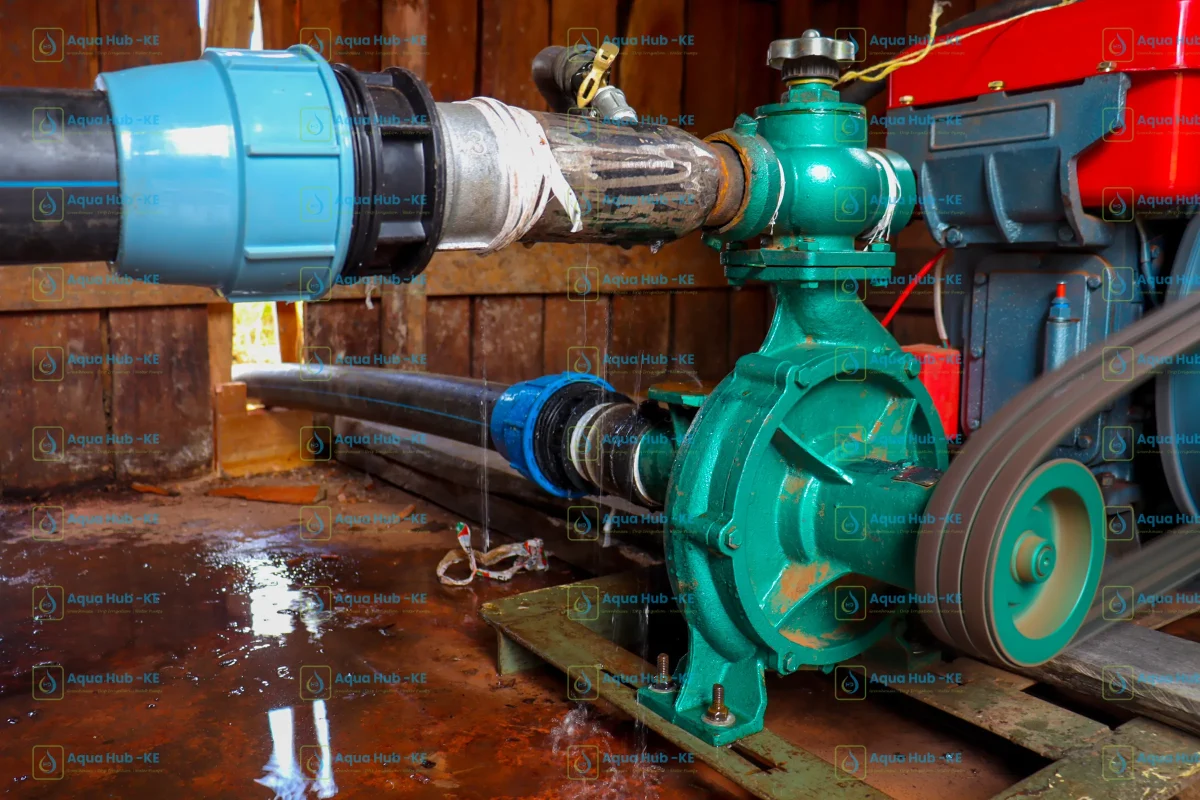
A diesel pump uses a diesel-powered engine to drive a centrifugal or reciprocating pump mechanism. The engine burns diesel fuel to generate the mechanical energy needed to move water. Diesel engines are built for continuous, high-load operation. This is why they are popular on farms that need to pump large volumes of water over long periods.
Diesel engines run at lower RPM than petrol engines. Therefore, they generate more torque at lower speeds. This makes them better suited to high-head applications such as:
- pumping water from a deep borehole
- lifting water over a significant elevation
Petrol Pumps

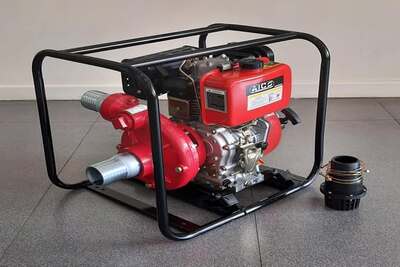
A petrol pump works on the same principle as a diesel pump but uses a petrol engine instead. Petrol engines run at higher RPM and tend to be lighter and more compact than diesel engines of equivalent power. This makes petrol pumps more portable and easier to move between water points on the farm.
Petrol pumps are generally cheaper to buy upfront than diesel pumps of the same power rating. However, petrol engines are less fuel-efficient under continuous load than diesel engines. Additionally, petrol costs more per litre in Kenya than diesel. Over time, those two factors add up.
Solar pumps
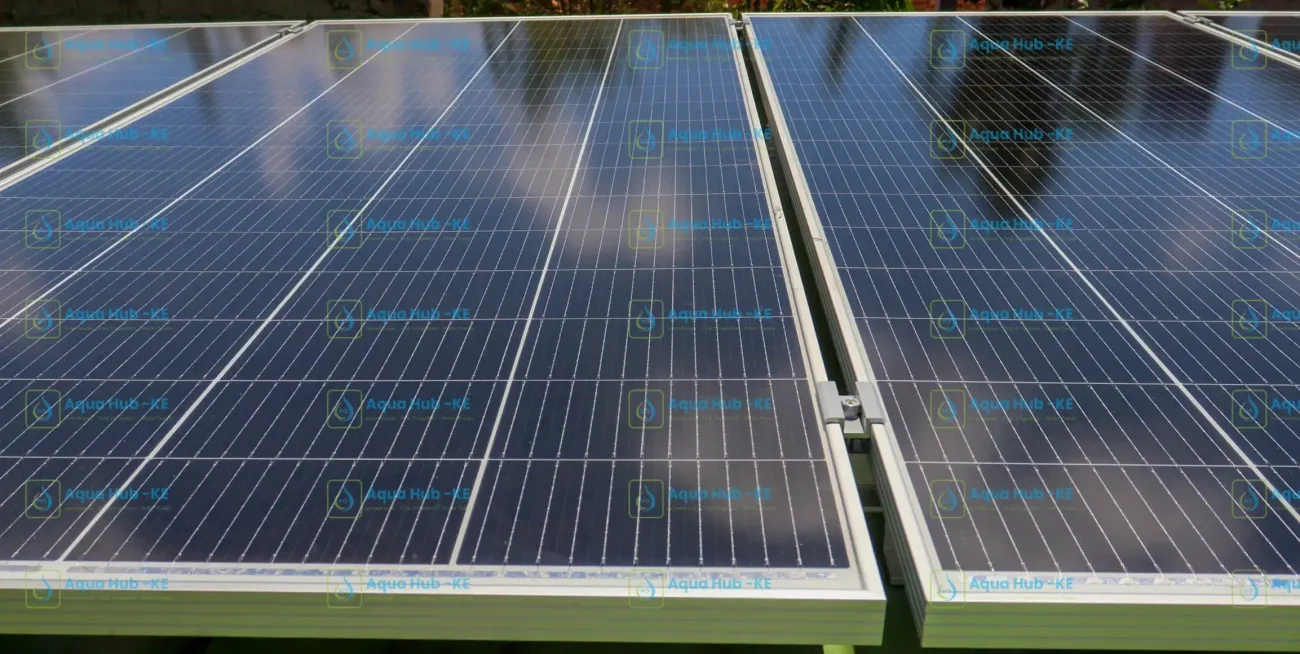
A solar pump uses electricity generated by photovoltaic solar panels to power an electric pump motor. During daylight hours, the panels generate direct current that powers the pump through a controller. The pump runs as long as the panels are producing adequate power, typically from around 7am to 5pm on a clear day.
Unlike diesel and petrol pumps, a solar pump has no combustion engine. There is no fuel to buy and no oil to change. Furthermore, it is eco-friendly as there is no exhaust. The pump and panel array are the main upfront costs, after which the running cost drops to near zero.
Upfront Cost Comparison for the Best Pump for Irrigation
The purchase price of each pump type varies by brand and whether the price includes installation.
| Pump Type | Price (KES) |
| Petrol pump | 15,000 – 70,000 |
| Diesel pump | 78,000 – 95,000 |
| Solar pump (pump unit only) | 20,000 – 150,000 |
Diesel pumps typically cost more upfront than petrol pumps of the same power output. Solar pump units are often competitively priced but the full system can have a very high cost.
To learn more about Aqua Hub Kenya’s current pricing for diesel, petrol and solar water pumps, call +254790719020.
Running Costs of Diesel, Fuel and Solar Pumps
The purchase price is a one-time cost. The running cost is what you pay every time you turn the pump on. Since most Kenyan farmers irrigate regularly, probably daily, running costs can add up very quickly.
- Diesel running costs – A typical diesel pump running at moderate load consumes between 1.5 and 3 litres of diesel per hour.
- Petrol running costs – On average, petrol engines consume more fuel than diesel engine under equivalent load. This can range between 2 and 4 litres per hour.
- Solar running costs – Once the solar system is installed and commissioned, the running cost is effectively zero. This is because they purely depend on sunlight which is free. The only ongoing costs are minor maintenance taks like cleaning panels and periodic inspections.
While solar pumps may be more expensive initially, over the long-run they tend to be the most cost effective option. If you are interested in getting a solar pump for your irrigation system, call +254790719020 to learn more about our prices and installation costs.
Maintenance Costs Comparison of the Best Pump for Irrigation
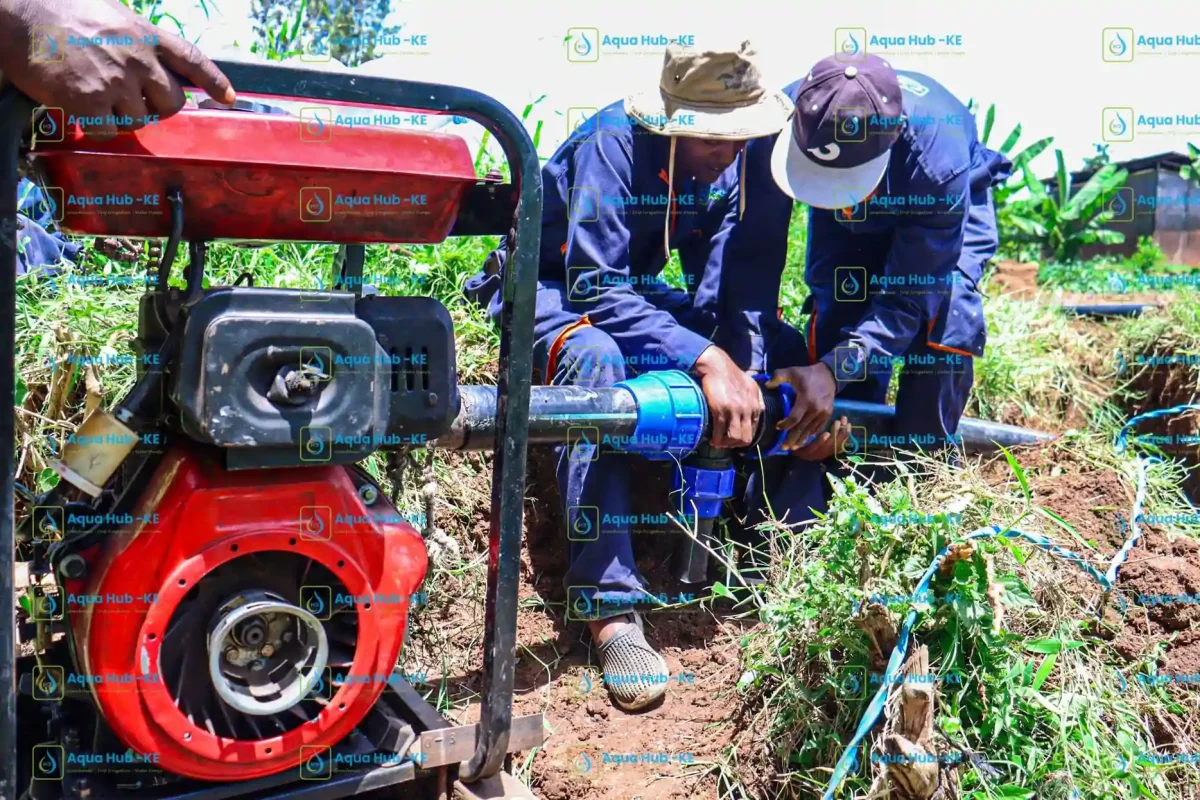
Diesel and petrol engines require regular maintenance to stay reliable. Solar pump systems require very little.
Diesel pump maintenance
This includes various steps such as:
- Oil changes every 50 to 100 hours of operation
- Air filter cleaning or replacement
- Fuel filter replacement
- Spark plug or injector service
- Periodic checks on the fuel tank and cooling system
A diesel pump that is well maintained lasts 5 to 10 years. One that is neglected fails much sooner.
Petrol pump maintenance
These pumps follow a similar schedule to diesel but with more frequent attention needed. Petrol engines in watering applications tend to run harder relative to their design limits than diesel engines. Consequently, they also tend to have shorter service intervals. Petrol pumps being run for extended periods without oil changes are one of the most common causes of pump failure.
Solar pump maintenance
In comparison to diesel and fuel pumps, the maintenance for solar pumps is very minimal. Moreover, most maintenance steps can be done at minimal labour costs. Some of these steps include:
- Clean the panels once a month to remove dust that reduces power output
- Check cable connections near the water source every few months for corrosion
- Inspect the pump inlet for debris at the start of each season
Which is the Best Pump for Irrigation in Terms of Performance
Reliability in Remote Areas
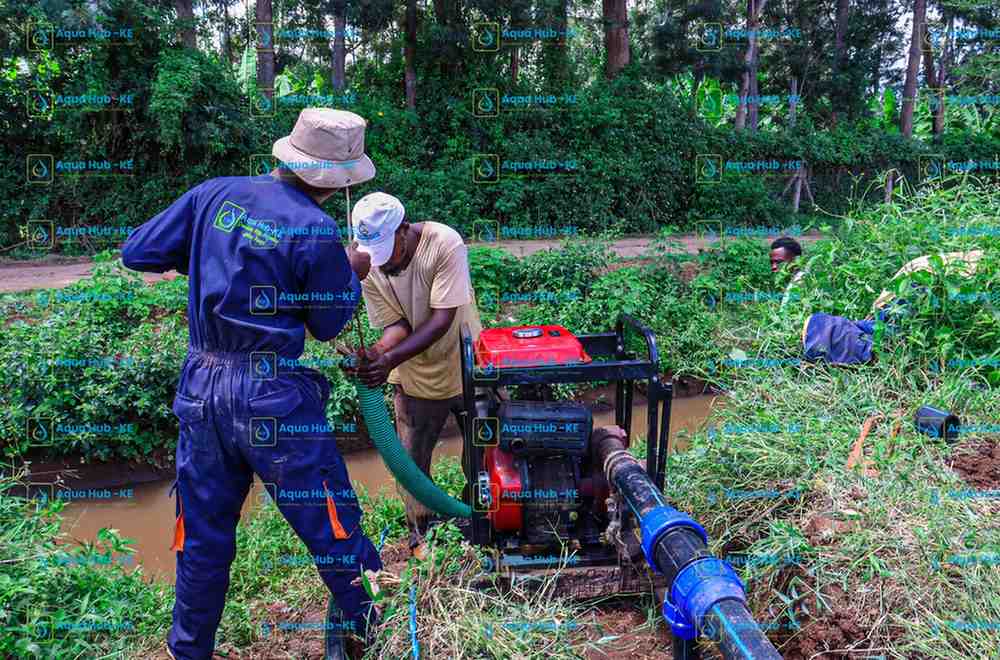
Diesel and petrol pumps can run anywhere fuel is available. In remote farming areas of Kenya where grid power is unreliable or absent, an engine-driven pump gives you immediate water access. However, they come with a limitation which is the supply chain. In some remote places, the closest fuel station is over 30 kilometers away. This makes getting fuel a very inconvenient process.
On the other hand, solar pumps do not need a fuel supply chain. Once installed, they run every day the sun ir up. Moreover, you have a solar pump with a battery that stores electricity for use at night or on days with low cloud cover. This makes solar pumps particularly well suited to remote farms where reliable fuel supply is not guaranteed.
Performance in Variable Weather
Diesel and petrol pumps are not affected by cloud cover. They run at full capacity regardless of whether it is sunny or overcast.
Solar pumps depend on sunlight. On heavily overcast days, output drops and the pump may not run at full capacity or at all. In most parts of Kenya, this is not a significant problem. This is because the country receives enough clear days through the year to make solar irrigation practical. Moreover, the solar pump can come preinstalled with batteries that conserve energy for use on overcast days. The farmer can also switch to grid electricity temporarily until the sunny conditions return, if possible.
Which is the Best Pump for Irrigation in Kenya?
While the answer heavily depends on your farm and specific needs, for most use cases, solar-powered pumps tend to be the best option. The situations where solar pumps are the best option are:
- If you irrigate daily for most of the year
- If your farm is remote and fuel supply is unreliable
- If you do not want heavy recurring costs post-purchase
Frequently Asked Questions
Which is the best pump for irrigation on a small farm in Kenya?
The best pump for irrigation for small plots with shallow water sources is a petrol or small solar pump.
Is a solar pump worth the higher upfront cost?
Yes, solar pumps tend to be worth the higher upfront costs thanks to the absence of fuel costs. This makes them extremely cost effective over the long run.
Can a diesel pump work with drip irrigation?
Yes, though diesel pumps are more commonly matched to sprinkler systems or larger fields. A pressure regulator may be needed for drip compatibility.
How deep can a solar pump draw water from?
How deep a solar pump can draw water depends on the specific pump model and panel capacity. Therefore, it is best to consult a supplier who can match the pump to your borehole depth.
Do petrol pumps work well for large farms?
Generally no, petrol pumps do not work well for large farms. Petrol pumps suit smaller plots and shorter irrigation sessions rather than large-scale, continuous pumping needs.
How much maintenance does a solar pump need?
A solar pump needs very little maintenance. Solar pumps have few moving parts, so maintenance is mostly limited to keeping panels clean and checking connections periodically.
What happens to a solar pump during cloudy weather?
During cloudy weather, the output of a solar pump drops without battery storage or a backup power source. Many farmers pair solar pumps with a storage tank to buffer supply during low-sunlight periods.
Which pump type lasts the longest?
Diesel engines often have long working lifespans with proper maintenance, while solar pumps have few parts to wear out, giving both strong longevity compared to petrol engines under heavy use.
Final Thought on the Best Pump for Irrigation
The best pump for irrigation is heavily based on your specific needs. Despite that, most farmers tend to gravitate to solar pumps as their pump of choice thanks to its low running costs and effectiveness in many different situations.
The mistake most Kenyan farmers make is choosing based on upfront cost alone. A cheap petrol pump that burns through fuel daily for a full year quickly becomes more expensive than a solar system that runs for free. The question to answer first is not which pump is the cheapest. Instead, consider long term running costs first.
At Aqua Hub Kenya, we are the leading supplier of diesel, petrol and solar pumps for irrigation. We can work with you to determine what the best pump for irrigation is based on your specific requirements. Simply call +254790719020 and get professional recommendations in addition to the best quality pumps in Kenya.