Blog
Irrigation Water Pump Prices in Kenya

Water pumps for irrigation are available at Aqua Pumps LTD in different specifications that meet your water needs. Our irrigation water pump prices range between KES 15,000 for small pumps to KES 600,000 or more for heavy-duty pumps. We are a trusted dealer of water pumps in Kenya with top brands that come with a warranty and support maintenance.
If you need an irrigation water pump.
Call 0711138312
Quick Takeaways
- Irrigation pump prices in Kenya range from KSh 15,000 to 600,000.
- Solar pumps are expensive upfront but cheaper long-term
- Irrigation pumps are available in a wide range of options, such as solar, petrol, diesel and electric pumps.
- Solar pumps are economical for irrigation and ideal for
- Aqua Hub helps you find the right pump that matches your water needs.
- Proper pipe selection improves efficiency
- Matching pump to irrigation system is crucial
- Regular maintenance prevents costly breakdowns
Cost of Irrigation Water Pumps in Kenya
The cost of irrigation water pumps depends on type, capacity, and power source.
- Electric Surface pumps: KES 8,000 – 60,000
- Electric Submersible pumps: KES 12,000 – 250,000
- Solar pumps: KES 18,000 – 350,000
- Petrol pumps: KES 15,000 – 85,000
- Diesel pumps: KES 35,000 – 600,000surf
Water Pumps for Irrigation in Kenya
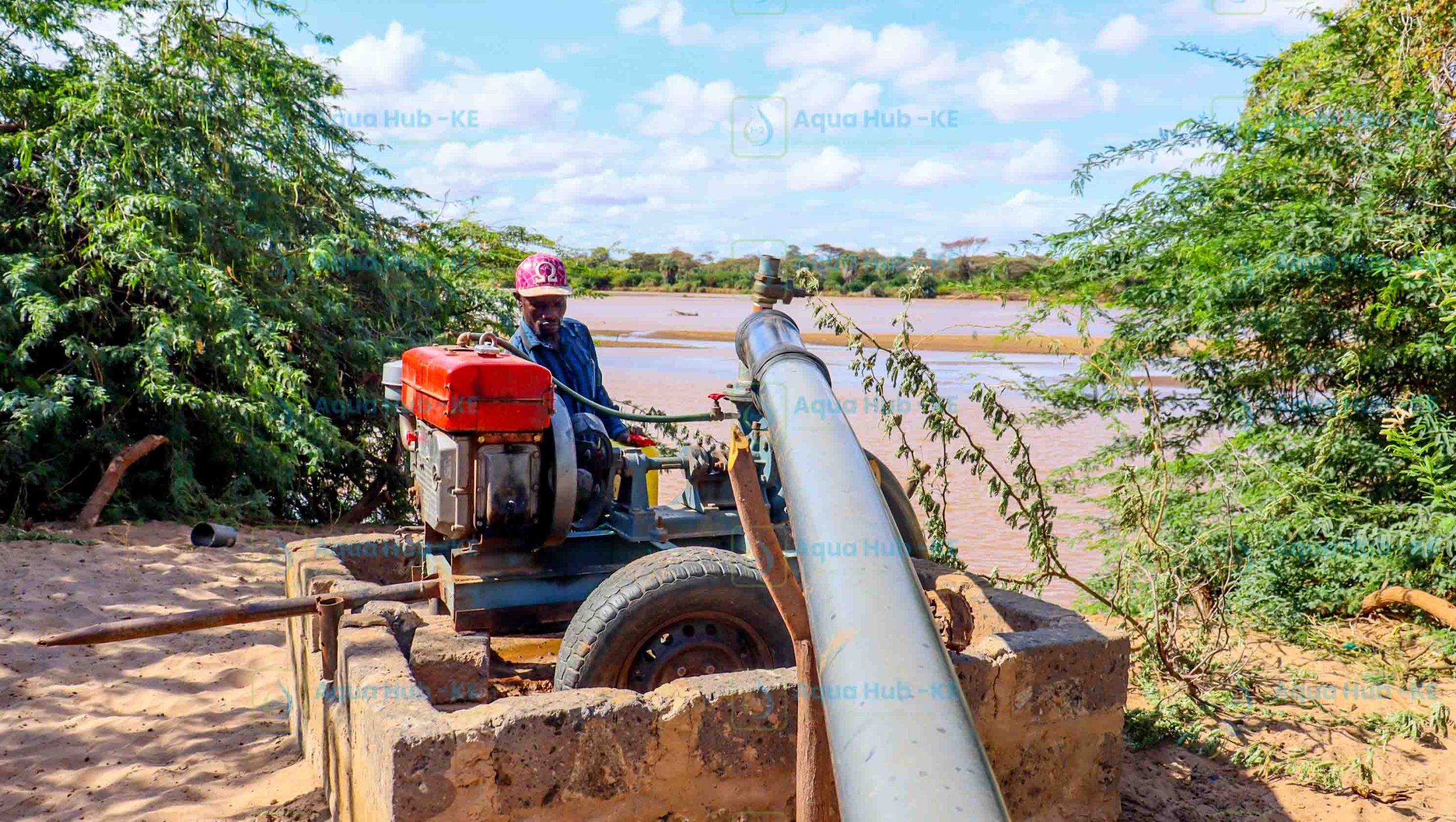
Irrigation water pumps are machines that move water from sources like rivers, boreholes, or dams to your crops. They are essential for farming in dry seasons and areas with unreliable rainfall. Pumps vary in size, power, and fuel type, making them suitable for both smallholder and large-scale farmers.
Modern pumps are designed to provide consistent water flow, improving crop yields and reducing manual labour. Choosing the right pump ensures efficient water use and long-term savings.
Irrigation Water Pump Prices and Types
Electric Water Pumps
These types of water pumps are powered by electricity. Electric water pumps come in different types: surface pumps and electric submersible pumps.
Solar Water Pumps
Solar pumps use sun power to operate and are ideal for off-grid farms. They are best for irrigation water supply since they are economical to run. We have solar pumps with highly reliable performance and low energy consumption.
We have surface and submersible solar pumps.
Petrol Water Pumps
Designed with an engine that operates on petrol fuel to power the pump. Petrol pumps have high flow rates and powerful engines. They are affordable and dependable for low-pressure and high-pressure water needs.
Diesel water Pumps
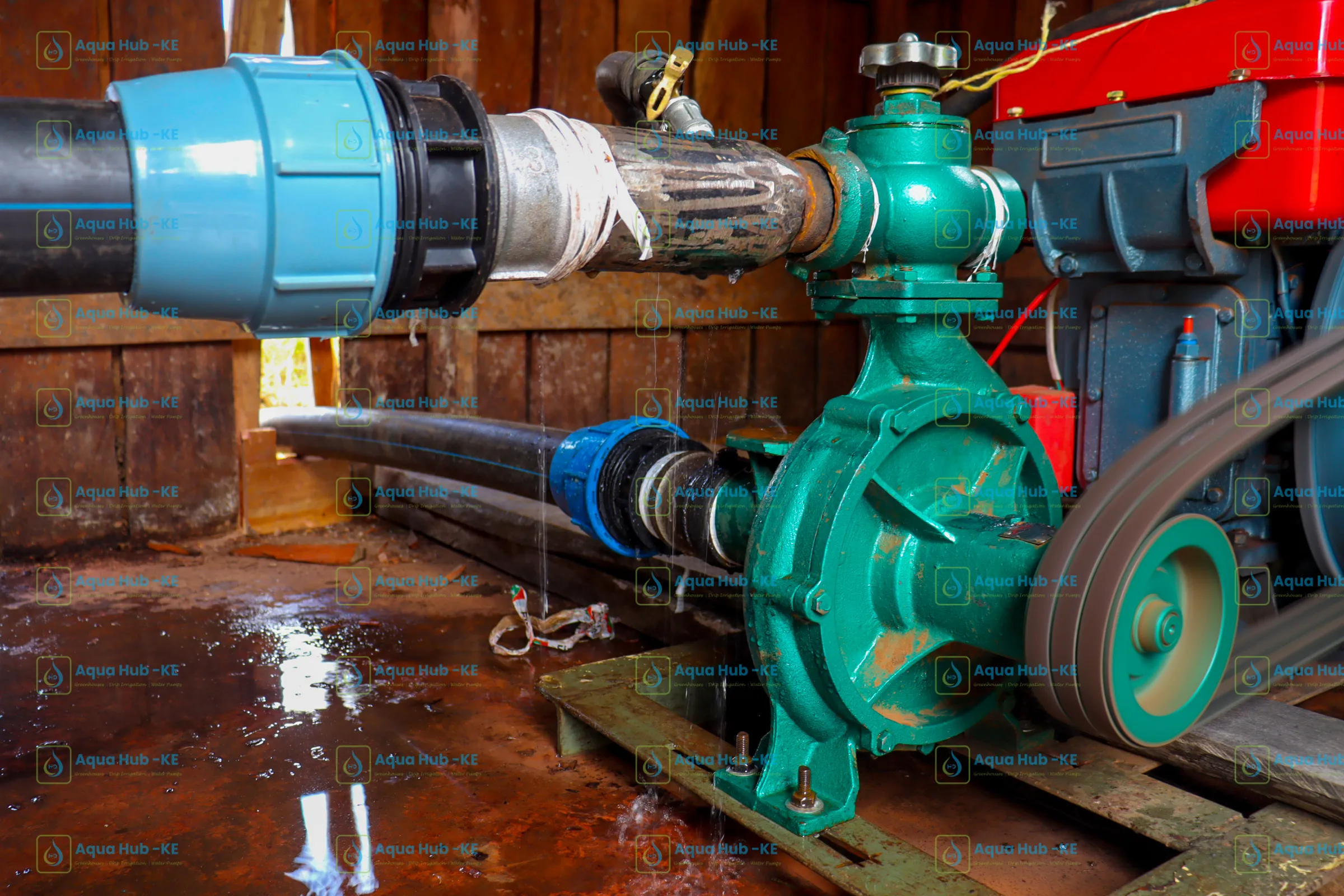
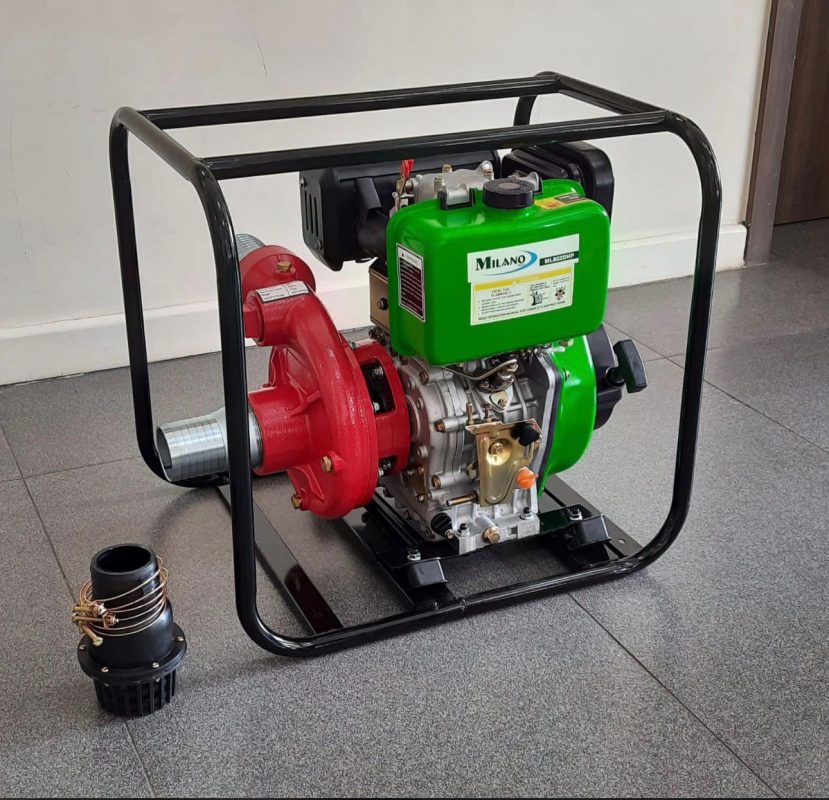
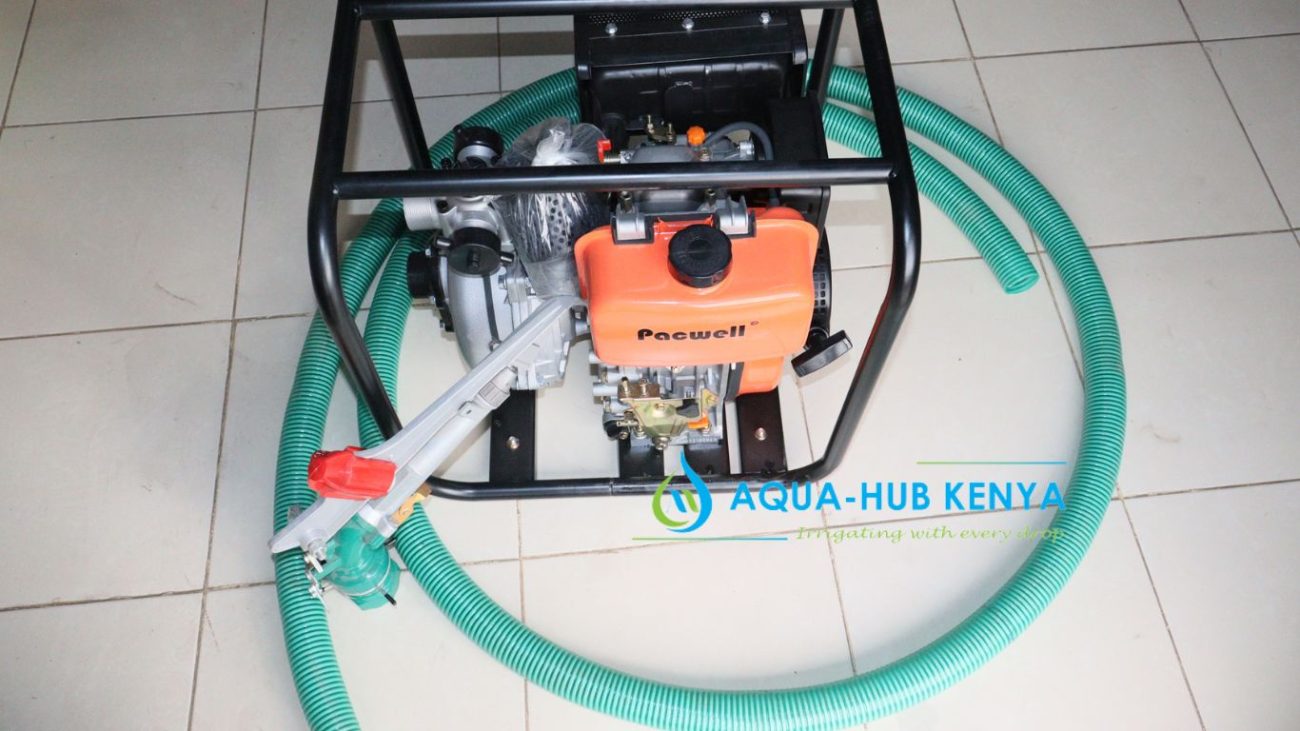
High Pressure diesel water pump for Irrigation
Diesel water pumps are powered by diesel fuel engines. The cost of diesel pumps is a bit higher but are more economical to run than petrol pumps. They have longer run times, low fuel consumption and lower maintenance needs. Diesel pumps have high heads and are thus ideal for large irrigation projects.
Irrigation Systems Powered by Water Pumps
Water pumps are used to generate force required for high pressure irrigation systems to work. You need heavy duty irrigation water pumps for the following irrigation methods.
Furrow Irrigation
To supply water from the river or dams to large farms for distribution through furrow irrigation, you need a water pump.
Sprinkler Irrigation
Overhead sprinkler irrigation requires high pressure for uniform irrigation and coverage.
Rain Guns
Large rain guns, such as the PY series and flange rain guns, require high-pressure water pumps to deliver reliable output.
Rain Hose Irrigation
This irrigation method uses a perforated hose pipe to deliver thin sprays of water over crops. For the rain sprays to occur, a water pump is essential.
What to Consider When Buying Irrigation Pumps
Before purchasing a pump, consider these key factors:
- Water source: you should keep in mind where you are getting your irrigation water. Is it a river, borehole, or dam? The right water pump will be determined by the source of water.
- Depth of the water source: how deep is your water source? Also, it is important because different pumps have different suction heights. Deep water bodies will require submersible pumps.
- Head (vertical distance from water source to farm): find out how far the farm is from the water source. This distance is ideal for sizing the correct pump.
- Farm size: Larger farms require bigger pumps with high output (flow rate and head)
- Power source: the right pump will also depend on power requirements. If you don’t have grid power, you will either choose a solar, petrol or diesel pump. If you also need an economic solution, you can go for a solar pump.
- Durability: this is another concern, obviously, since you want a pump that will serve you for a long time. Consider reputable pump brands.
- Flow rate: depending on your crop or farm water requirements, the flow rate often determines which pump will work effectively for you.
- Warranty: Often go for pumps with a warranty so that you can get assistance in case it develops issues.
- Maintenance and support: consider a supplier who can offer installation support and maintenance.
Pipes to Use with Irrigation Pumps
Suction and delivery pipes for water pumping vary in types, pressure ratings and sizes. You need to understand the different pipes available to ensure you choose the right one for your pumping needs.
PVC Pipes
PVC pipes are used in irrigation and domestic water transfer. They are affordable alternatives to HDPE pipes and are ideal for low-pressure water supply.
HDPE Pipes
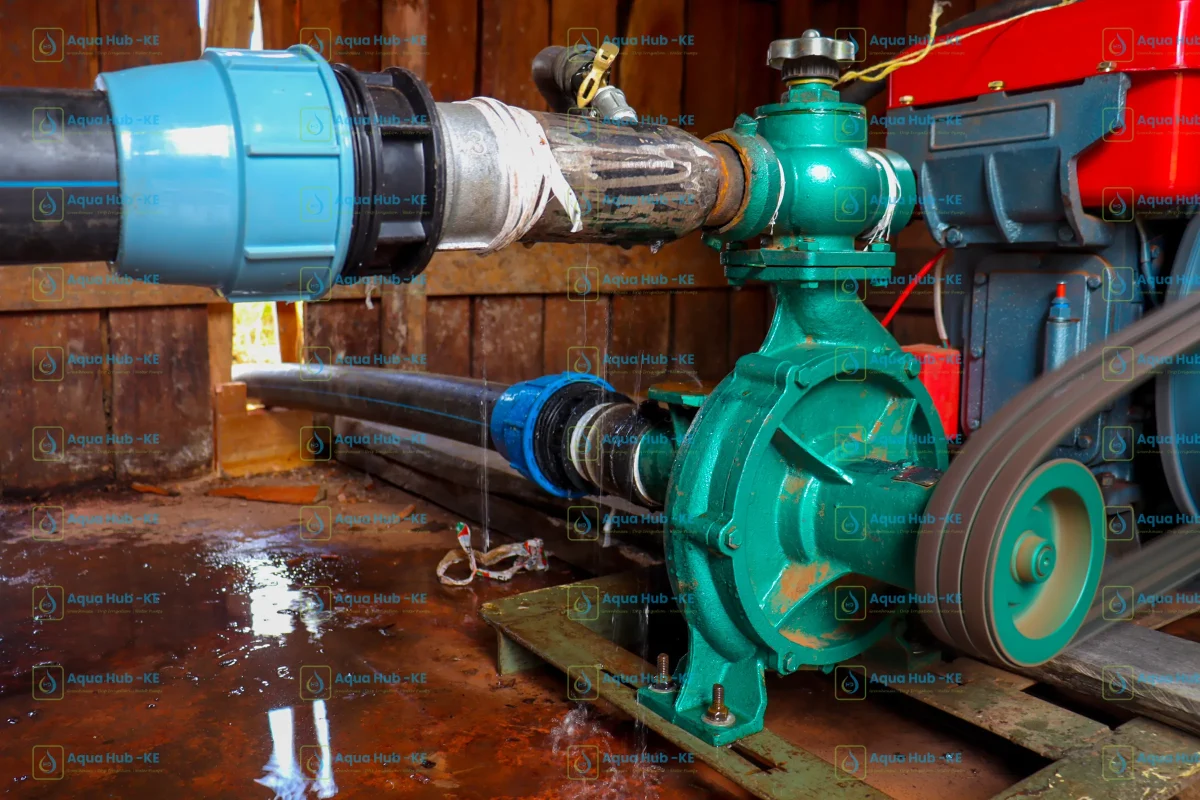
High-density polyethylene pipes are used as suction and delivery pipes. Handles high pressure and can withstand weather conditions. Also ideal for mainline connection drip irrigation systems.
HDPE pipes are durable and highly flexible, thus convenient for water transfer even in uneven landscapes. Available in rolls of 100m long.
Lay Flat Hose Pipes
Flexible flat PE hosepipes are ideal for the delivery of water from pump outlets to sprinkler heads, rain guns or storage units.
The PE hose pipes are highly durable and can withstand high pressure of water.
Applications of Irrigation Water Pumps
- Crop irrigation (vegetables, maize, fruits)
- High-pressure irrigation water supply through Rain guns and flange sprinklers
- Water transfers from the river to farms through furrow irrigation.
- Greenhouse irrigation. Ideal for misting systems.
- Water transfer to storage tanks for irrigation.
- Boosting water pressure for lawn irrigation.
Common Challenges and troubleshooting tips
- High fuel costs – to overcome this challenge, going solar is the affordable alternative.
- High cost of investment in water pumps – the cost will be high when buying, especially solar pumps. However, you will generate high income and have a return on investment through production farming.
- Pump suction failure – prime the pump well to prevent air lock, which affects suction.
- Low water pressure – use the correct outlet pipe that matches the pump outlet.
- Pump cycling – replace the pressure switch or check for leaks in the system.
Irrigation Water Pump Maintenance Tips
- Clean filters regularly
- Check oil levels (for engine pumps)
- Inspect pipes for leaks
- Store pumps properly after use
Cost-Saving Tips for Irrigation Farmers
Here’s how to reduce irrigation costs:
- Invest in solar pumps for long-term savings
- Use drip irrigation to reduce water use
- Go for automated irrigation systems to monitor irrigation, fertilizer and crop health.
- Farmers can join farmers’ cooperative societies to help them with support financing for purchasing water pumps, and irrigation systems.
- Investing in quality and warranted pumps and accessories ensures low maintenance costs.
Frequently Asked Questions
1. How much is a water pump in Kenya?
KES 15,000 to KES 600,000 or more.
2. Which is the best water pump for irrigation?
It depends on your farm size, power needs and budget.
3. How do I choose a pump for irrigation?
Start by assessing your water source, power needs, depth and flow rate required.
4. How to size a pump for irrigation?
Calculate the total flow rate required and the total dynamic head then match it to the right pump on a pump curve.
5. How far can a 1.5 HP pump push water horizontally?
Approximately 29 m.
6. What pipes are best for irrigation systems?
HDPE pipes are the most reliable irrigation water pumping.
7. What is the most common type of water pump?
Centrifugal Water Pumps
8. Which irrigation type is most efficient?
Drip Irrigation
9. How do I reduce irrigation pumping costs?
Use solar pumps. They are economical to operate.
10. Where can I buy irrigation water pumps in Kenya?
Aqua Hub Kenya.