


Blog
Farm Pond Water Pumps from Aqua Hub Kenya

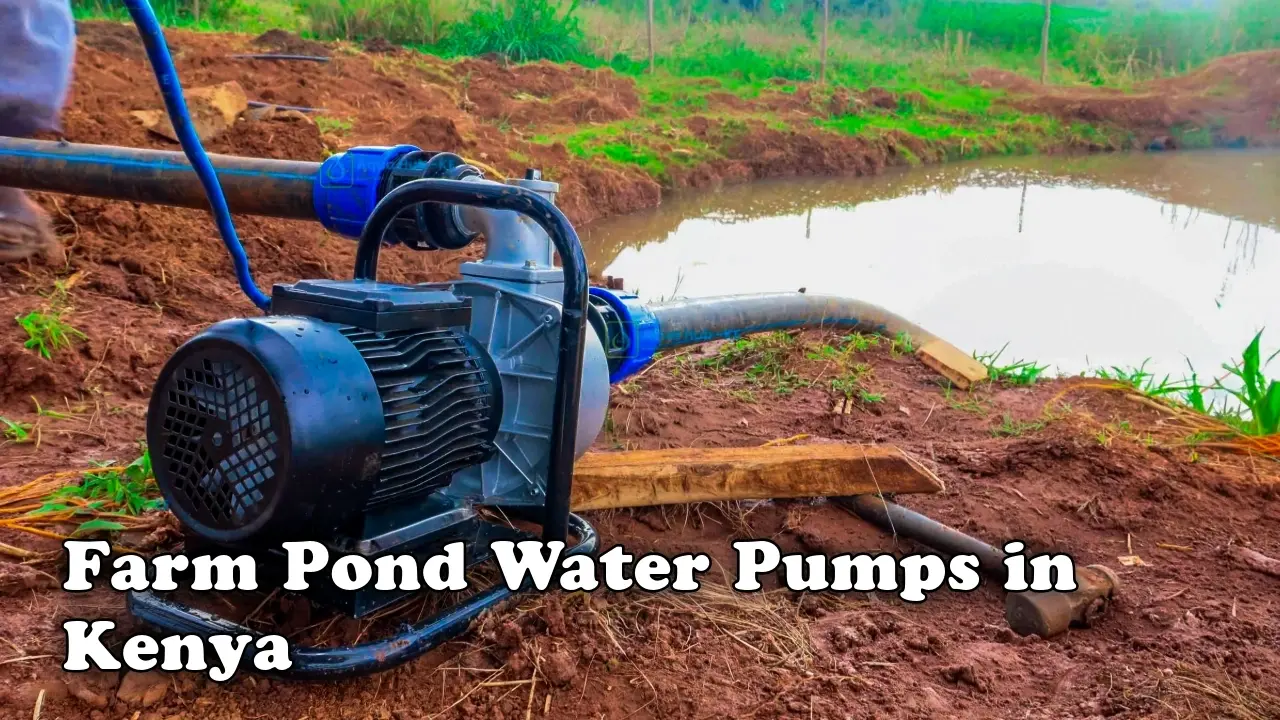
Farm pond water pumps at Aqua Hub Kenya start at KES 15,000 for a solar booster pump and reach KES 56,000 for a solar surface pump, while petrol and diesel pumps are priced by size and head.
A farm pond stores water from the rains, but the water stays in the pond until a pump moves it. The pump must lift the water from the bank to a field or a holding tank, and the right model depends on how far and how high the water travels. Farmers who choose a pump that matches their pond waste less fuel and irrigate with more consistent pressure.
Aqua Hub Kenya sells solar-powered and fuel-powered options for pond pumping, and every solar model below comes with its specifications listed. Compare the figures against your own pond and field, then call +254790719020 to confirm which pump fits your farm.
What Farm Pond Water Pumps Cost at Aqua Hub Kenya
The table lists each solar model with its price and its main specifications. Petrol and diesel farm pond water pumps do not appear in the table, because their prices depend on the size of the pump and the head it must work against.
| Pump | Price | Power | Pipe size | Maximum head | Rated flow |
|---|---|---|---|---|---|
| Solar surface pump | KES 56,000 | 1100 W | 2 inch | 14 m | 50,000 litres per hour |
| Solar booster pump | KES 15,000 | 180 W | 1 inch | 60 m | 1,500 litres per hour |
| Solar booster pump | KES 19,500 | 370 W | 1 inch | 35 m | 2,200 litres per hour |
Therefore, each quote for a petrol or diesel pump follows your pond and field layout. Email info@aquahubkenya.co.ke with the distance from the pond to the field and the height the water must climb, and the team will send a price for your setup.
Types of Farm Pond Water Pumps Sold by Aqua Hub Kenya
Farm pond water pumps fall into two groups, and each group suits a different kind of farm. Solar pumps run on sunlight and need no fuel, whereas petrol and diesel pumps run on fuel and can work at any hour.
Solar Surface Pumps for Daytime Irrigation
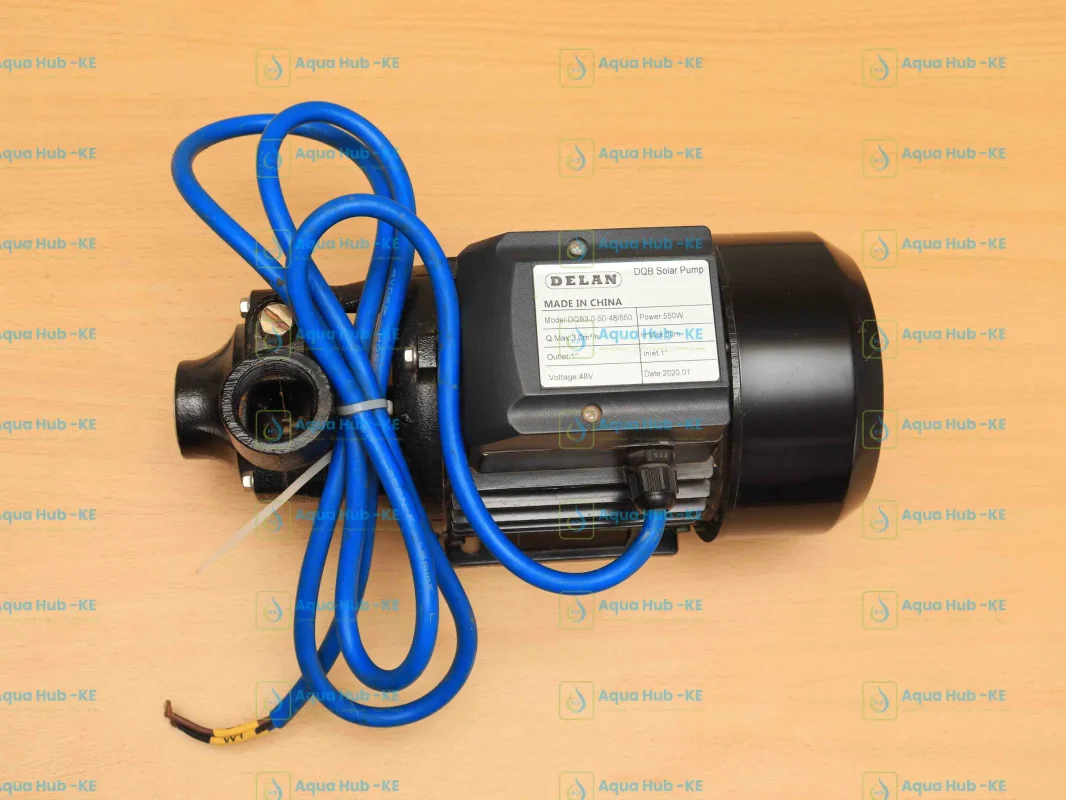
A solar surface pump sits on the pond bank and draws water through a suction pipe. The 1100 W model has a 2 inch connection and a rated flow of 50,000 litres per hour, which suits a large irrigation area. It works while the sun shines, and the farm pays nothing for fuel.
Solar Booster Pumps for Uphill Fields and Drip Lines
A booster pump delivers a smaller volume of water at a higher head. The 180 W model reaches a maximum head of 60 m, and the 370 W model moves more water, at a rated 2,200 litres per hour, with a 35 m head. As a result, farmers use these pumps where a field lies above the pond or where drip lines need extra pressure.
Petrol and Diesel Pumps for Higher Demand
Petrol and diesel pumps, in contrast, suit farms that need water at night or on cloudy days. They also suit large demand, because the engine delivers power regardless of the weather. Their price depends on the pump size and the head, so Aqua Hub Kenya quotes each one after learning your layout.
How to Read Pump Specifications from Aqua Hub Kenya
Four figures on the table describe what farm pond water pumps can do:
- Power, in watts, shows how much electricity a solar pump draws from its panels.
- Pipe size is the connection diameter, and it affects how much water the pipe carries.
- Maximum head is the height the pump can lift or push water, measured in metres.
- Rated flow shows how many litres the pump moves in one hour under test conditions.
Understanding these figures therefore helps you compare a solar pump with a fuel-powered one. Head and flow change in opposite directions. As the water climbs higher, the flow falls, which is why the booster pumps with a high head deliver fewer litres than the surface pump. At its rated flow, the solar surface pump moves about 833 litres each minute, whereas the booster pumps move about 25 litres each minute (180 W) and about 37 litres each minute (370 W).
Real flow on a farm is lower than the rated figure because the length of the pipe and every bend add resistance. Therefore, allow for these losses when you work out how much water you need each day.
Pond Conditions That Affect Farm Pond Water Pumps

Solar booster pump
Pond water carries silt and leaves, and these can block a pump or damage its parts. Hence, the condition of the pond influences how farm pond water pumps perform and how you protect them.
Before buying, check these points at your pond:
- Distance from the pond bank to the pump position.
- Water level in the dry months, when the pond is at its lowest.
- Amount of silt and plant material in the water.
- Slope between the pond and the field.
- Space on the bank for panels or a fuel pump.
Place a surface pump as close to the water as the bank allows, since a short suction pipe reduces the effort needed to draw water. In addition, fit a strainer on the end of the suction pipe to stop debris from entering. If the water level falls far below the pump in the dry season, move the pump lower on the bank or ask our team about a better position.
Choosing Between Solar and Fuel-Powered Pumps from Aqua Hub Kenya’s Range
Solar farm pond water pumps have no fuel cost once you own the panels, and they need little attention. Their output follows the sunshine, and therefore they irrigate during the day and stop at night. A farm with a water tank can also store water for use outside those hours.
Fuel-powered pumps, however, suit growers who irrigate at night or who need a large volume quickly. They also cost more to run, because every hour of pumping uses fuel and the engine needs regular servicing.
The answers to these questions guide your choice:
- How many hours each day do you irrigate?
- Does the farm have steady sunshine through the year?
- How much can you spend on fuel each month?
- Do you need to move water at night?
Setting Up Farm Pond Water Pumps Supplied by Aqua Hub Kenya
A careful set-up protects farm pond water pumps and keeps the flow steady. Farmers and their crews usually work in this order:
- Initially, they choose firm, level ground on the bank that stays above flood level.
- Next, they lay the suction pipe so that it slopes toward the pump without air pockets.
- With the pipe in place, they fix a strainer to its end and place it below the water surface, clear of the mud.
- After that, they connect the delivery pipe to the field line and tighten each joint.
- Once the connections are secure, they fill the pump casing with water and start the pump.
- Lastly, they check the flow and look for leaks at every joint.
If you use a solar pump, position the panels where they face the sun for most of the day. Keep the panel cables short and secure them away from the pond edge, where livestock or flowing water could damage them.
Looking After Farm Pond Water Pumps from Aqua Hub Kenya
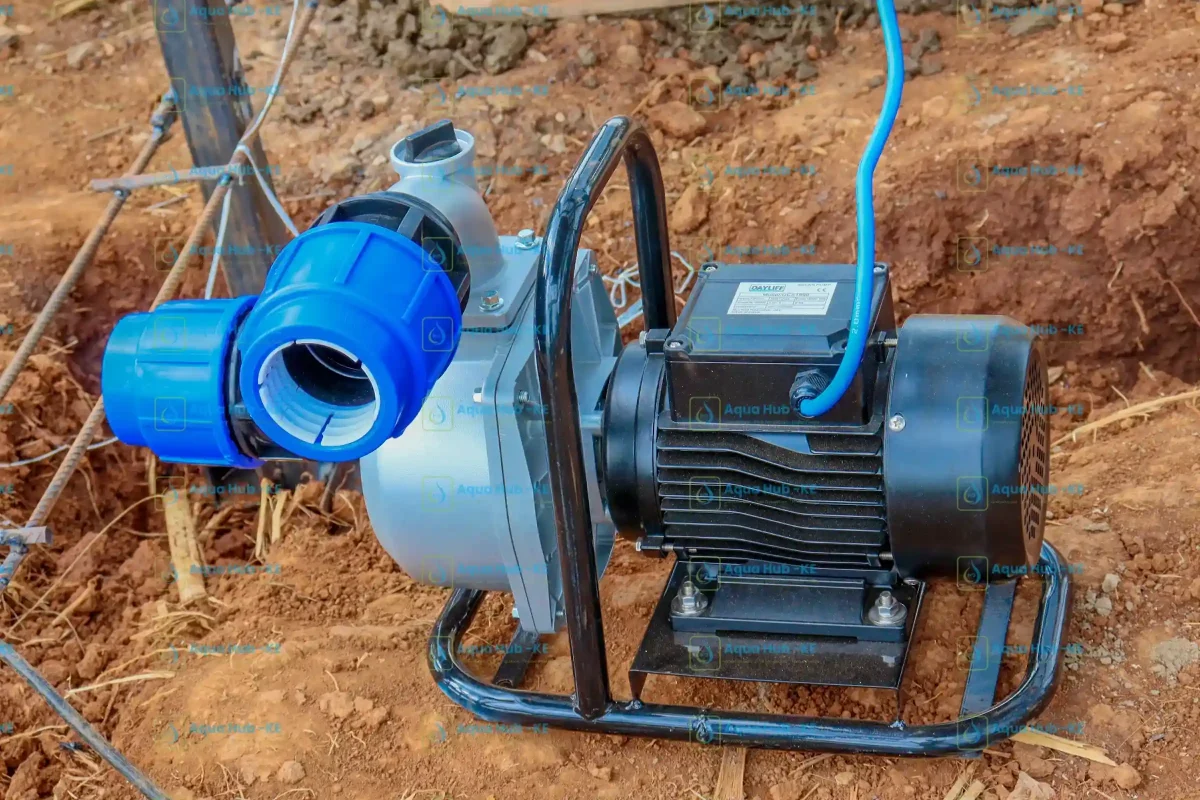
Farm pond water pumps operate in harder conditions than pumps connected to clean tanks. These habits keep them in good order:
- Clean the strainer every week, or more often after rain.
- Wipe dust and mud off the solar panels.
- Check the suction pipe for cracks that let air in.
- Look for oil or fuel leaks on petrol and diesel pumps.
- Service engine pumps at the intervals the maker recommends.
- Stop the pump when the pond level falls near the intake.
A pump that runs dry can damage its seals, and a pond in the dry season gives little warning. Therefore, mark the safe low-water level on the bank and stop the pump when the water reaches it.
Why Choose Aqua Hub Kenya for Farm Pond Water Pumps?
Aqua Hub Kenya lists the power, head and flow of each solar pump next to its price, so you can compare models before you contact us. A farmer with a short, steep climb can look at the booster pumps, and a farmer with a large irrigation area can look at the surface pump. This clarity saves time, because you start the conversation with the figures in hand.
The range of farm pond water pumps also covers fuel-powered models for farms that need them. Because those prices depend on size and head, our team works through your pond and field details before it gives a quote. As a result, that approach prevents buying a pump that is too small to reach the field or too large for your needs.
Frequently Asked Questions
What are farm pond water pumps?
Farm pond water pumps are pumps that lift water from a pond to a field or a holding tank. They run on solar power or on petrol and diesel engines.
How much do farm pond water pumps cost in Kenya?
Farm pond water pumps at Aqua Hub Kenya start at KES 15,000 for a solar booster pump and reach KES 56,000 for the solar surface pump. Call or email for a quote on petrol and diesel pumps, since their prices depend on size and head.
What does pump head mean?
Pump head is the height to which a pump can lift or push water, measured in metres. Hence, a higher head means the pump can serve a field that lies farther above the pond.
Is a solar pump better than a petrol pump for a pond?
A solar pump costs less to run, while a petrol pump can work at night and on cloudy days. The better choice depends on how many hours you irrigate and how much you spend on fuel.
How does a booster pump differ from a surface pump?
A booster pump delivers less water at a higher head, whereas a surface pump delivers more water at a lower head. Farmers therefore choose between them according to the height of the field.
Do pond pumps need a strainer?
Pond pumps need a strainer on the suction pipe, because the water carries silt and plant material. The strainer stops debris from entering and damaging the pump.
Can I use pond water for drip irrigation?
You can use pond water for drip irrigation if you filter it first. Without a filter, silt and algae block the small drip openings.
How close should the pump stand to the pond?
The pump should stand as close to the water as the bank allows, because a short suction pipe makes it easier for the pump to draw water.
Can solar pumps run at night?
Solar pumps stop at night because the panels produce no power. However, a holding tank filled during the day gives you water after dark.
Final Thoughts on Farm Pond Water Pumps
Farm pond water pumps make stored rainwater available for irrigation. The type of pump and the condition of the pond influence how well the system performs, while a strainer and regular care protect it through the dry season.
Prices begin at KES 15,000 for a solar booster pump and reach KES 56,000 for the solar surface pump, while petrol and diesel pumps are priced by size and head. Call +254790719020 or email info@aquahubkenya.co.ke to get a quote for your pond.