Blog
Dayliff Solar Surface Pumps in Kenya from Aqua Hub Kenya

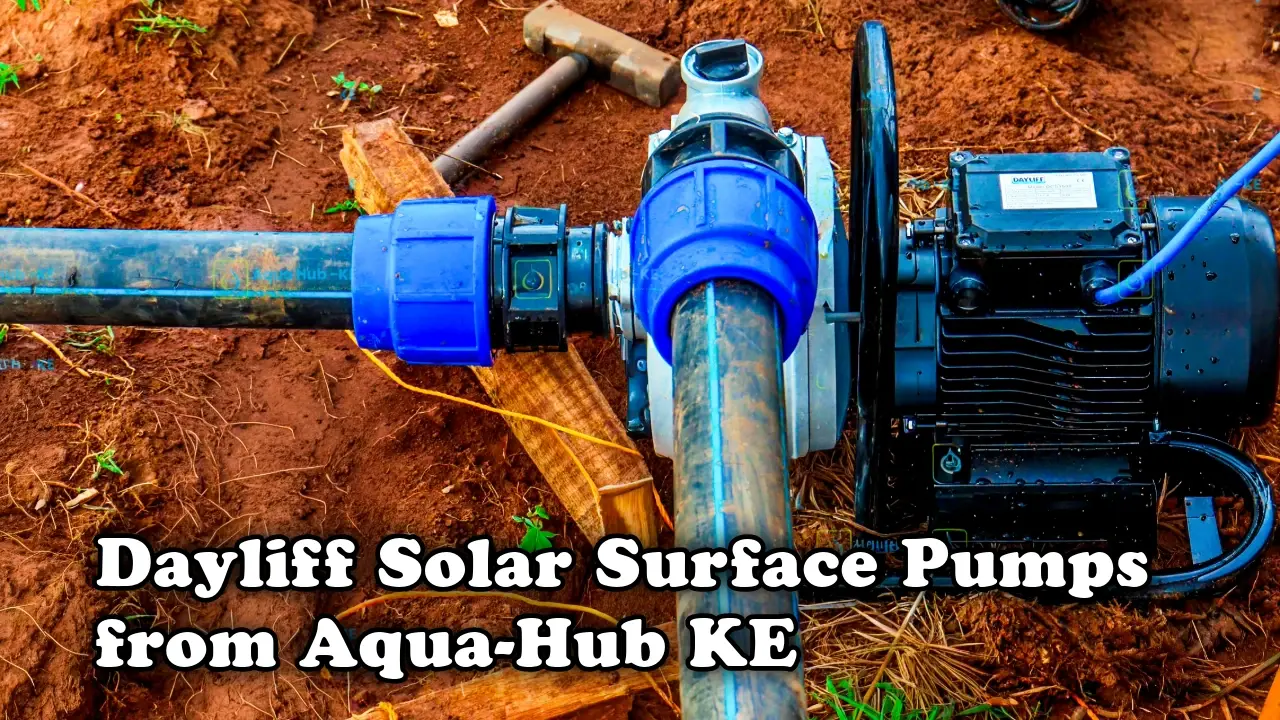
Dayliff solar surface pumps cost between KES 25,000 and KES 60,000, depending on the model and the setup you need.
Many Kenyan farms pump water every day, and fuel or grid power adds a steady cost to that work. However, solar pumping removes most of that running cost, since sunlight powers the pump during the day. Therefore, more farmers and home owners now choose solar for watering crops and filling storage tanks.
Buyers across Kenya choose Aqua Hub Kenya when they want a trusted pump brand backed by practical advice. Our team helps you match each pump to your water source and your daily needs. To get a recommendation for your farm, call +254790719020 or email info@aquahubkenya.co.ke.
Budgeting for Dayliff Solar Surface Pumps with Aqua Hub Kenya
The price of a solar pump depends on its size and on how much water you need to move. Aqua Hub Kenya offers Dayliff solar surface pumps from KES 25,000 for smaller jobs, while larger models reach KES 60,000. Hence, you can pick a pump that fits your budget and your workload.
Planning your budget early prevents surprises. Therefore, list your daily water needs first, then compare them with the models available. Moreover, solar pumping has no fuel bill, which lowers the monthly cost of owning the pump.
Your final cost depends on factors such as:
- Pump size and the volume of water you need each day.
- The height between the water source and your storage tank.
- How many solar panels the system requires.
- Pipe length from the water source to the field.
Because each setup differs, call +254790719020 or email info@aquahubkenya.co.ke for the exact price of your pump.
How a Solar Surface Pump Works
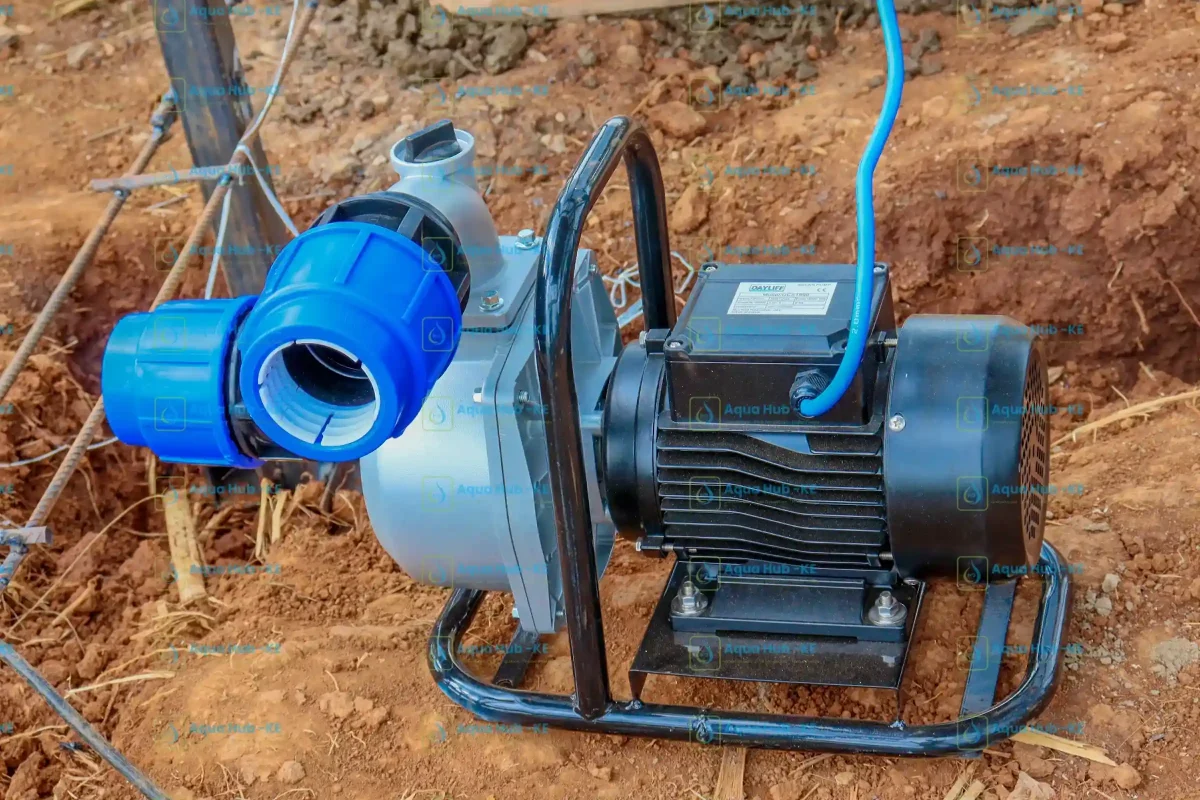
A solar surface pump sits above ground and draws water through a suction pipe. Solar panels produce electricity from sunlight, and that power runs the pump motor. As a result, the pump delivers water whenever the sun is shining, with no fuel to buy.
A typical system has four parts: solar panels, a controller, the pump and the pipework. The panels collect sunlight, the controller manages the power that reaches the motor, the pump moves the water and the pipes carry it to your tank.
Many systems also fill a storage tank during the day. This gives you water for the evening and the early morning. Dayliff solar surface pumps use this same design, which keeps the system simple to run and maintain.
Why Farmers Are Switching to Solar Pumping with Aqua Hub Kenya
Farmers who move from diesel or grid pumps often see:
- Lower running costs, since sunlight is free.
- Fewer trips to buy fuel.
- Quiet operation compared with a petrol or diesel engine.
- Simple upkeep, because the system has few moving parts.
- Steady water supply through the daylight hours.
Furthermore, solar pumping suits remote farms where grid power does not reach. In that case, a solar system is often the most practical way to move water. Consequently, the savings add up over every season, and the farm gains a reliable source of pumping power.
Where Dayliff Solar Surface Pumps Fit Best on Kenyan Farms
Because of their design, surface pumps suit water sources that sit close to ground level. They are not meant for deep boreholes, so check your water source before you buy. Also keep the pump close to the water level, since a shorter suction pipe makes pumping easier. Dayliff solar surface pumps work well with shallow wells, dams, rivers and water tanks.
Filling Tanks and Watering Crops
Many farmers use a solar surface pump to lift water from a nearby dam or river into a storage tank. From the tank, water flows by gravity to the drip lines or sprinklers. As a result, irrigation stays steady throughout the day.
Supplying Livestock and Homes
A pump can also fill troughs and household tanks. In addition, it serves small settlements that share one water point. Therefore, a single system can support both farm work and daily home use. Since animals need water every day, a tank paired with the pump also gives you a reserve during cloudy spells.
Selecting the Right Pump Size with Aqua Hub Kenya
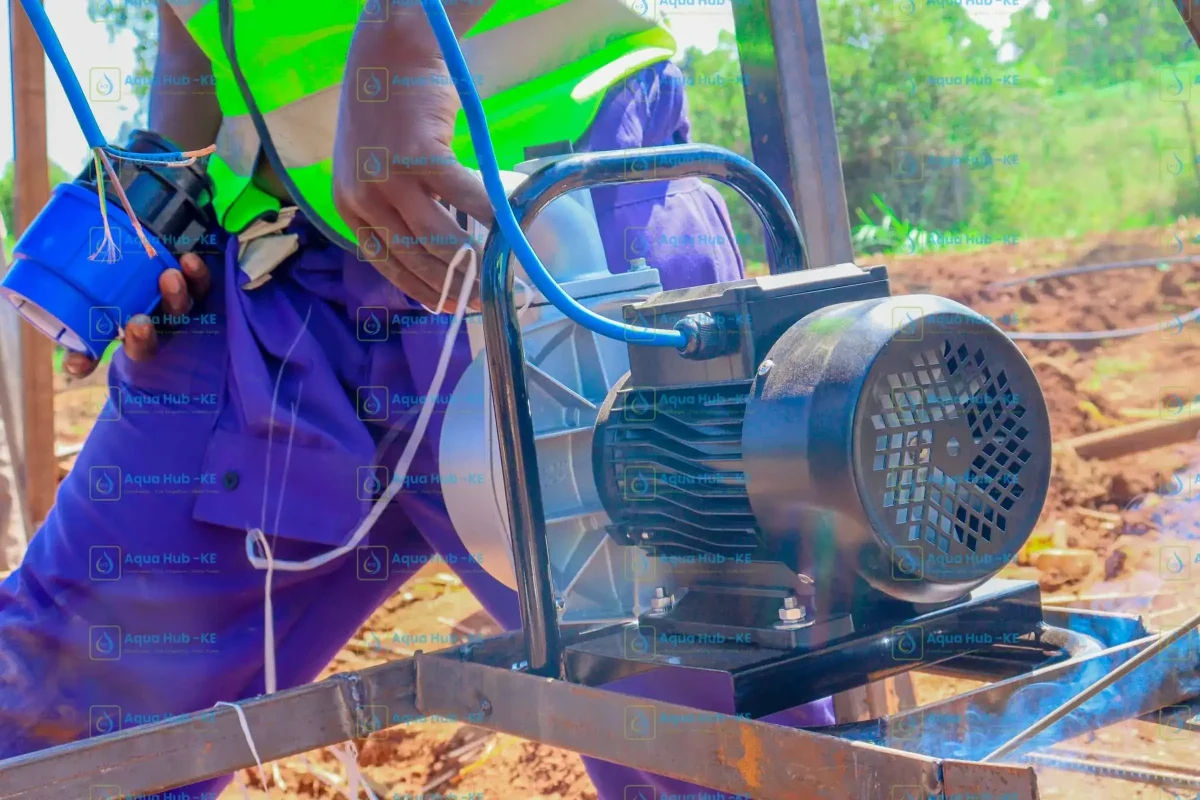
Start by working out how much water you need each day. Then measure the height from the water source to the point where you store or use it. These two figures decide which pump model suits your farm. For example, a small vegetable plot needs less pumping power than a large orchard. Moreover, think about future growth. If you plan to expand your plot, mention this when you call so that the model you buy can handle the extra demand.
Dayliff solar surface pumps come in different sizes, so match the model to your workload. Choosing the right size also protects the pump, because an undersized unit works under strain and an oversized one costs more than you need.
To recommend a model, our team asks about:
- Water source type and its distance from the field.
- Daily water needs for the crops and animals you plan to supply.
- How high the water must travel to reach the tank.
- Land size and the area you plan to irrigate.
Share these details by calling +254790719020, and our team will suggest a suitable Dayliff model.
Set Up Your Dayliff Solar Surface Pumps with Aqua Hub Kenya’s Technicians
A solar pumping system goes in step by step, and our technicians handle each part on site. Their work normally follows this order:
- To begin with, they choose a dry, shaded spot for the pump close to the water source.
- Following that, they mount the solar panels in an open area that receives full sun.
- With that done, they connect the pump to the panels using suitable cables.
- Subsequently, they fit the suction pipe and the delivery pipe, then check every joint.
- Afterwards, they prime the pump with water so that it can draw correctly.
- Lastly, they switch on the system and test the flow into your tank.
Since every site is different, the technicians adjust the layout to suit your terrain. As a result, the pump sits where it can draw water easily and the panels receive the most sun.
To arrange installation at your farm, email info@aquahubkenya.co.ke or speak to our team through the number +254790719020.
Care Routines Farmers Should Follow
Regular checks make the system last longer. Farmers can follow routines such as:
- Clean the panels with water and a soft cloth when dust builds up.
- Inspect the suction pipe for cracks that let air in.
- Keep the pump in a dry, ventilated spot away from rain.
- Check the cable joints for loose or damaged points.
- Never run the pump dry, because that damages the seals.
Moreover, check the system before the dry season starts, since that is when you rely on it most. Then repeat the checks after heavy rains.
A sudden fall in water flow needs attention, so call +254790719020 and our team will guide you on the next step.
Why Choose Aqua Hub Kenya for Dayliff Solar Surface Pumps?
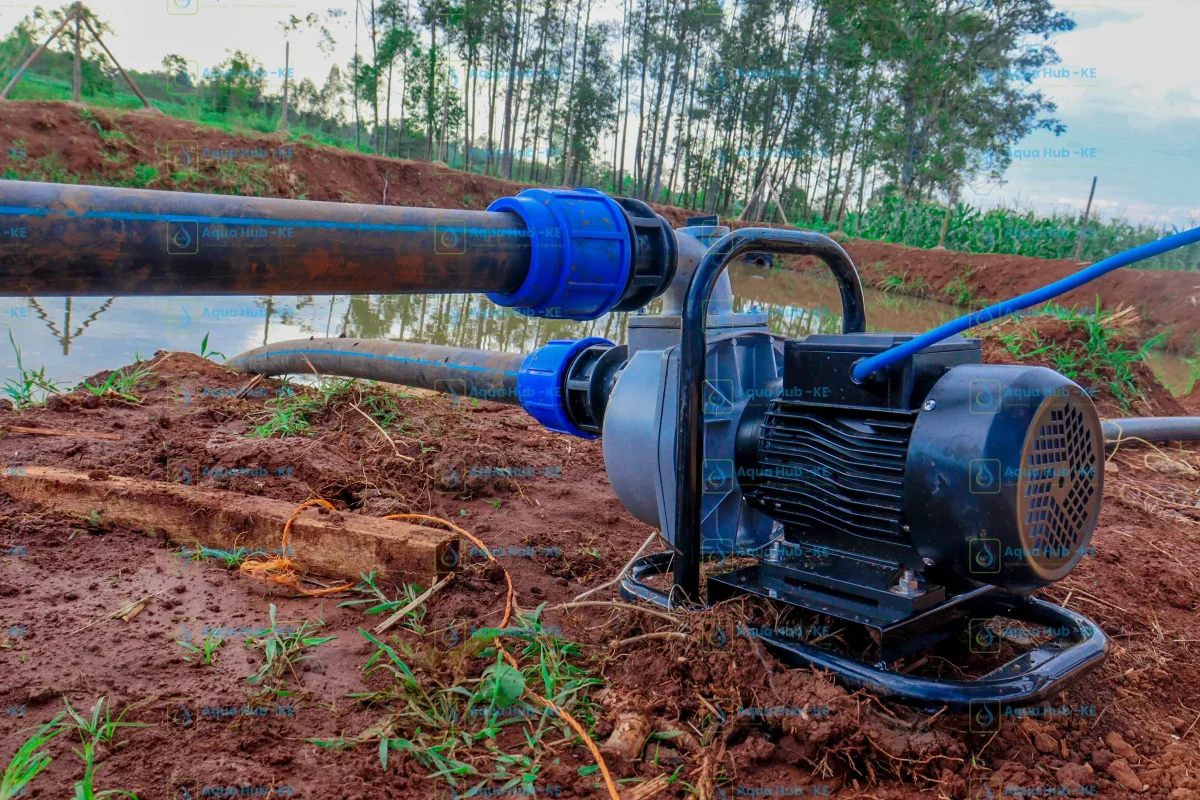
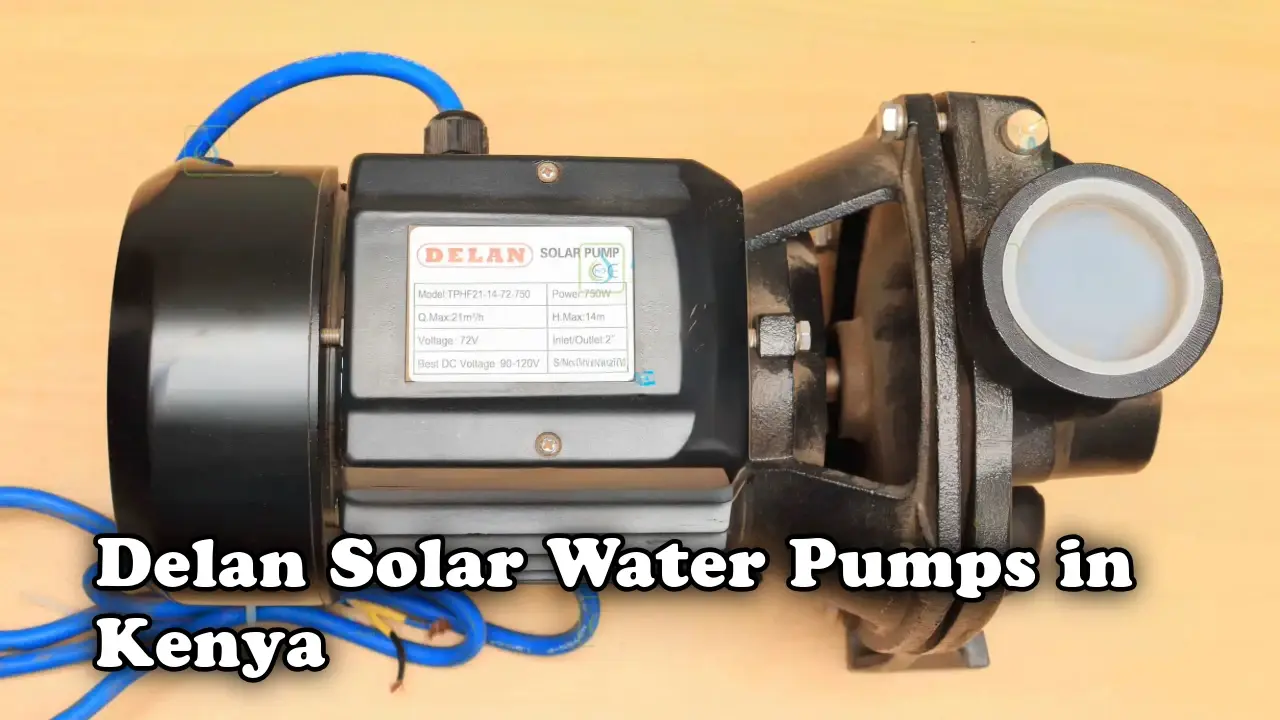
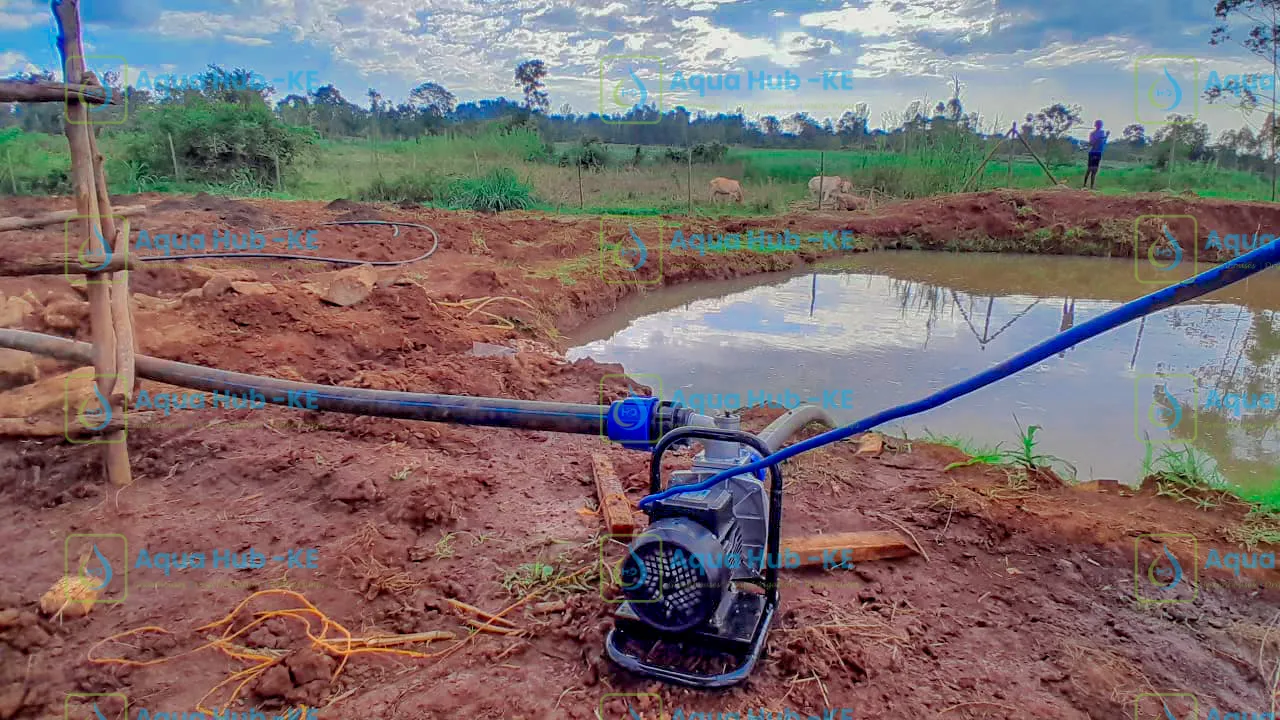
solar surface irrigation pump used for farm water transfer
Dayliff is a well-known pump brand in Kenya, and Aqua Hub Kenya brings it to farmers and home owners who want reliable pumping. Because we stock a range of models, you can match the pump to your water source instead of settling for a size that does not fit.
Since water needs vary from farm to farm, we explain how each model performs before you buy. Our advice stays practical. For this reason, we ask about your water source and your daily needs before we recommend a model. In addition, Dayliff pumps pair easily with drip irrigation kits from our range, so you can plan the whole watering system as one project. As a result, you leave with a setup that matches your farm from day one. To discuss your needs, speak to our team using the number +254790719020.
Frequently Asked Questions
What is a solar surface pump?
A solar surface pump is a pump that sits above ground and runs on power from solar panels. It draws water from a nearby source and delivers it to a tank or field.
How much does a dayliff solar surface pumps cost in Kenya?
A Dayliff solar pump costs between KES 25,000 and KES 60,000, depending on the model. Call +254790719020 for the exact price.
Can a solar surface pump draw water from a borehole?
A solar surface pump suits shallow water sources, so it cannot draw from a deep borehole. Deep boreholes need a submersible pump instead.
Does a solar surface pump work on cloudy days?
A solar surface pump delivers less water on cloudy days because the panels produce less power. A storage tank gives you a reserve for those days.
Can I use a solar surface pump for drip irrigation?
Yes, you can use a solar surface pump for drip irrigation. The pump fills a tank, and the tank feeds the drip lines.
How many solar panels does a solar surface pump need?
The number of panels depends on the size of the pump. Our team can confirm the right number for your model.
Do I need a battery for a dayliff solar surface pumps?
Most dayliff solar surface pumping systems run directly from the panels, so a battery is not required. A storage tank holds the water instead.
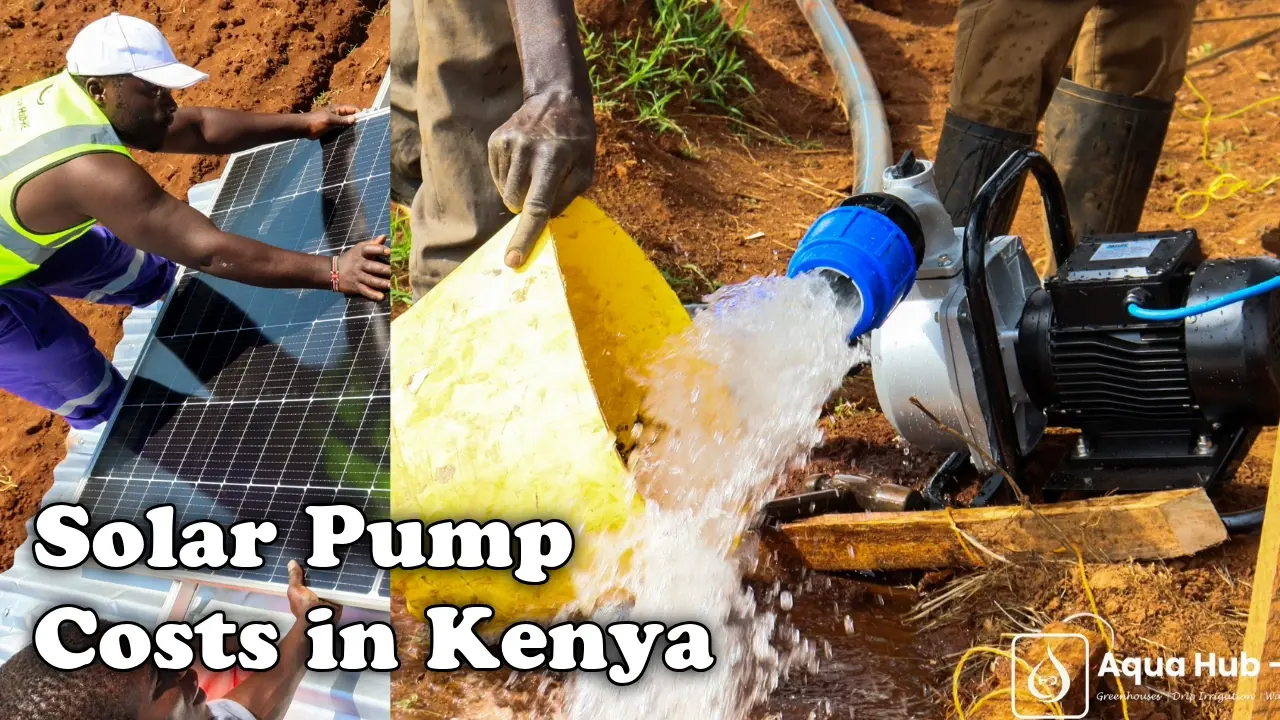
Photovoltaic Modules for Powering Solar surface Pump
How long does a solar surface pump last?
The life of a solar surface pump depends on the quality of the pump and the care it receives. Regular cleaning and checks help it last longer.
Can a solar surface pump run at night?
A solar surface pump runs only when the panels produce power, so it stops at night. A storage tank keeps water available after dark.
Final Thoughts on Dayliff Solar Surface Pumps
Dayliff solar surface pumps give farms and homes a dependable way to move water without fuel. The right pump size and a suitable water source decide how well the system performs, while well-placed panels keep the power steady. Therefore, choose the pump size with care and confirm your water source before you order.
Prices start at KES 25,000 and reach KES 60,000, depending on the model. Call +254790719020 or email info@aquahubkenya.co.ke to get the exact price and plan your setup.