Blog
Electric Booster Pumps for Farms by Aqua Hub Kenya

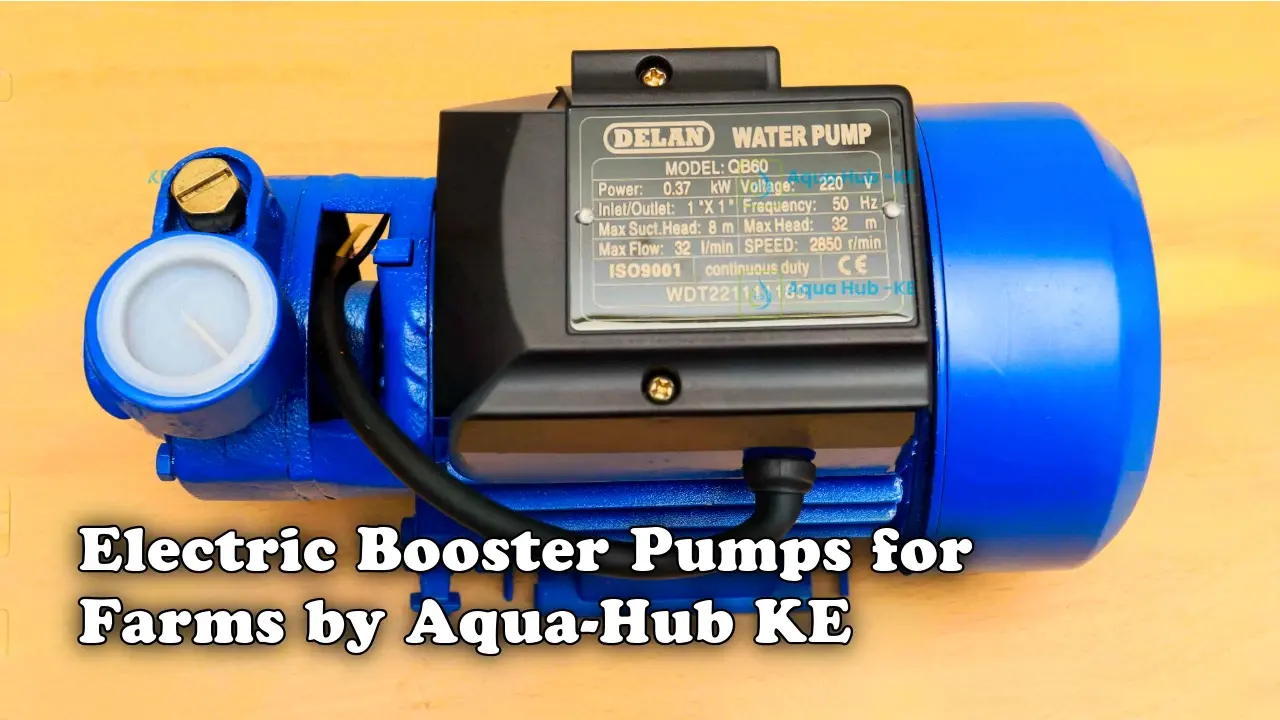
Electric booster pumps cost between KES 10,000 and KES 270,000 at Aqua Hub Kenya, depending on the size of the pump and the job it must do.
Water that leaves a tank or a main pipe often arrives at the field with too little pressure for drip lines or sprinklers. A booster pump adds pressure to water that is already in the pipe, which lets the water reach the fields and equipment that need it. Farmers with grid power can run these pumps without fuel and with very little attention.
Aqua Hub Kenya supplies booster pumps across a wide price range, so farms of different sizes can find a pump that fits their lines. Tell the team about your water line and your fields by calling +254790719020, and ask which pump suits your system.
What Electric Booster Pumps Cost at Aqua Hub Kenya
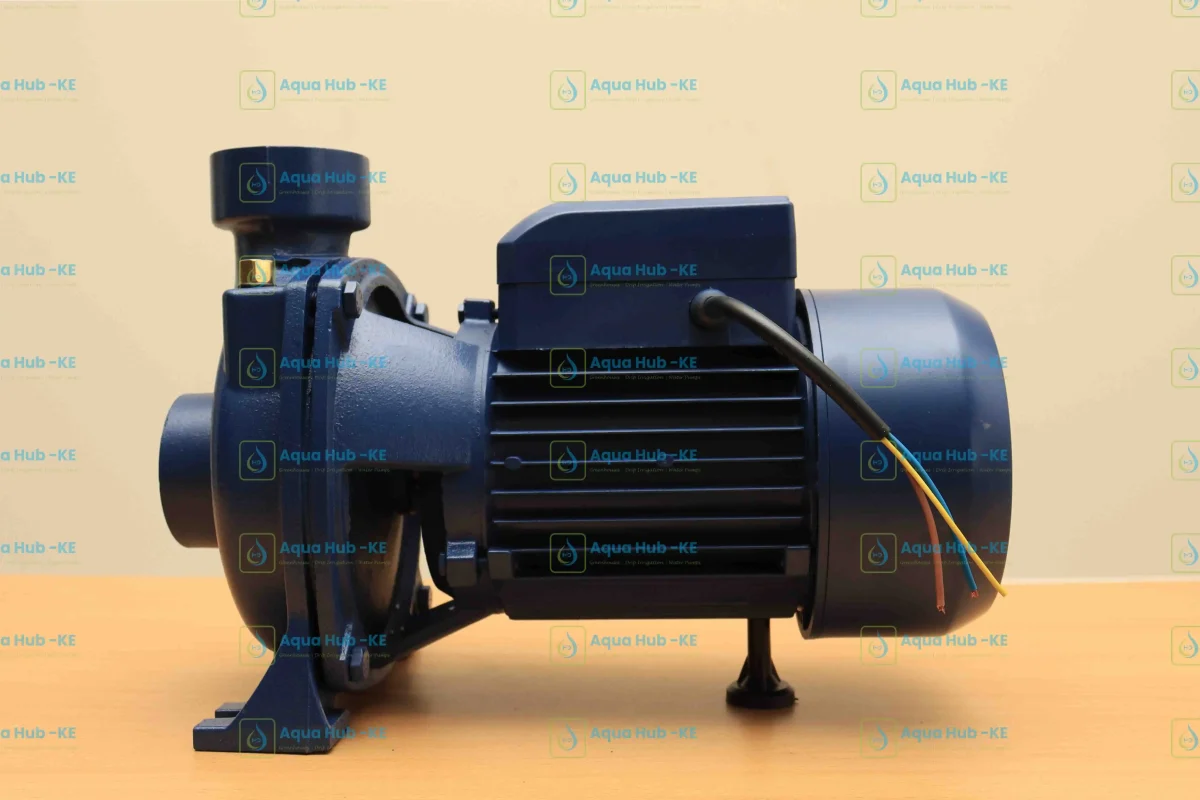
Prices range from KES 10,000 to KES 270,000. A small pump that serves a short line sits at the lower end of that range, whereas a large pump for a wide irrigation system sits at the upper end. The exact price of your pump depends on these factors:
- Amount of water the pump must move each hour.
- Pressure the pump must add to the line.
- Size of the pipe that connects to the pump.
- Distance and height between the water source and the field.
- Type of electric supply the pump needs, either single-phase or three-phase.
Larger pumps also use more electricity, so the running cost rises with pump size and deserves a place in your budget. Because every system differs, email info@aquahubkenya.co.ke with your pipe size and the pressure you need to receive a price for your pump.
How Electric Booster Pumps by Aqua Hub Kenya Raise Water Pressure on a Farm
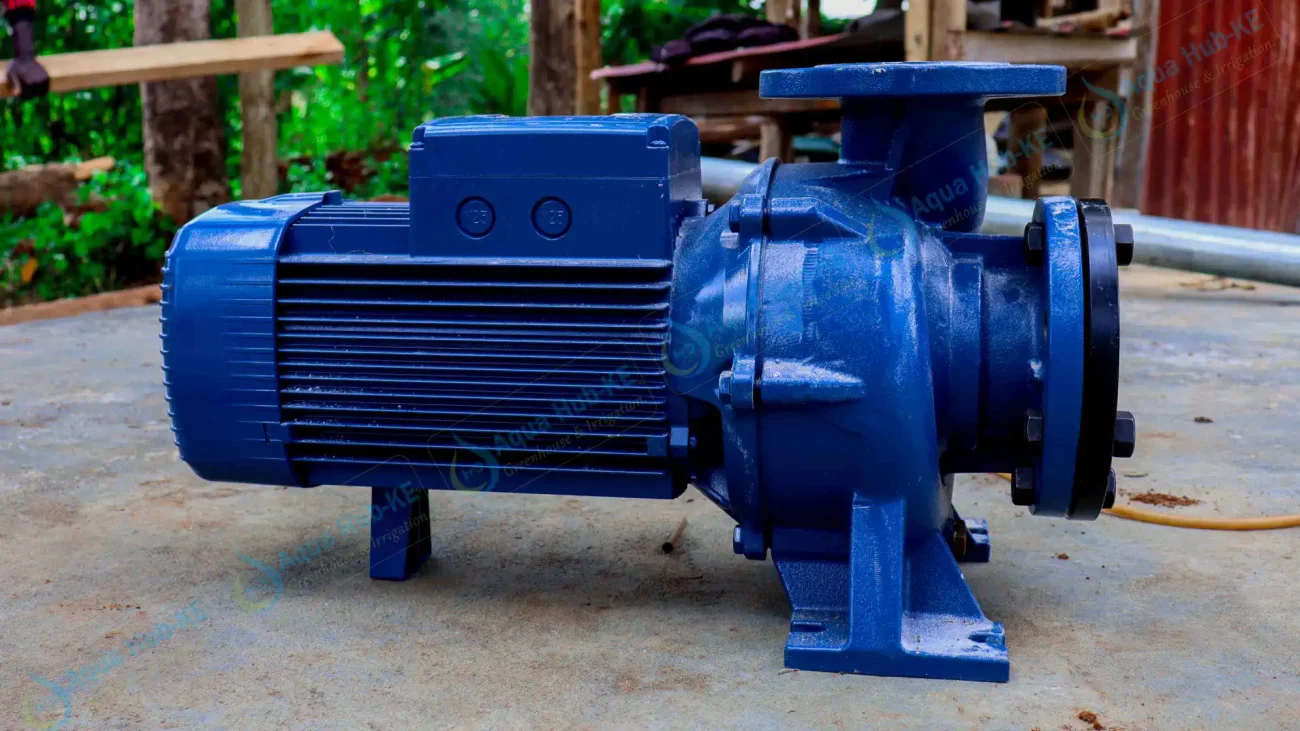
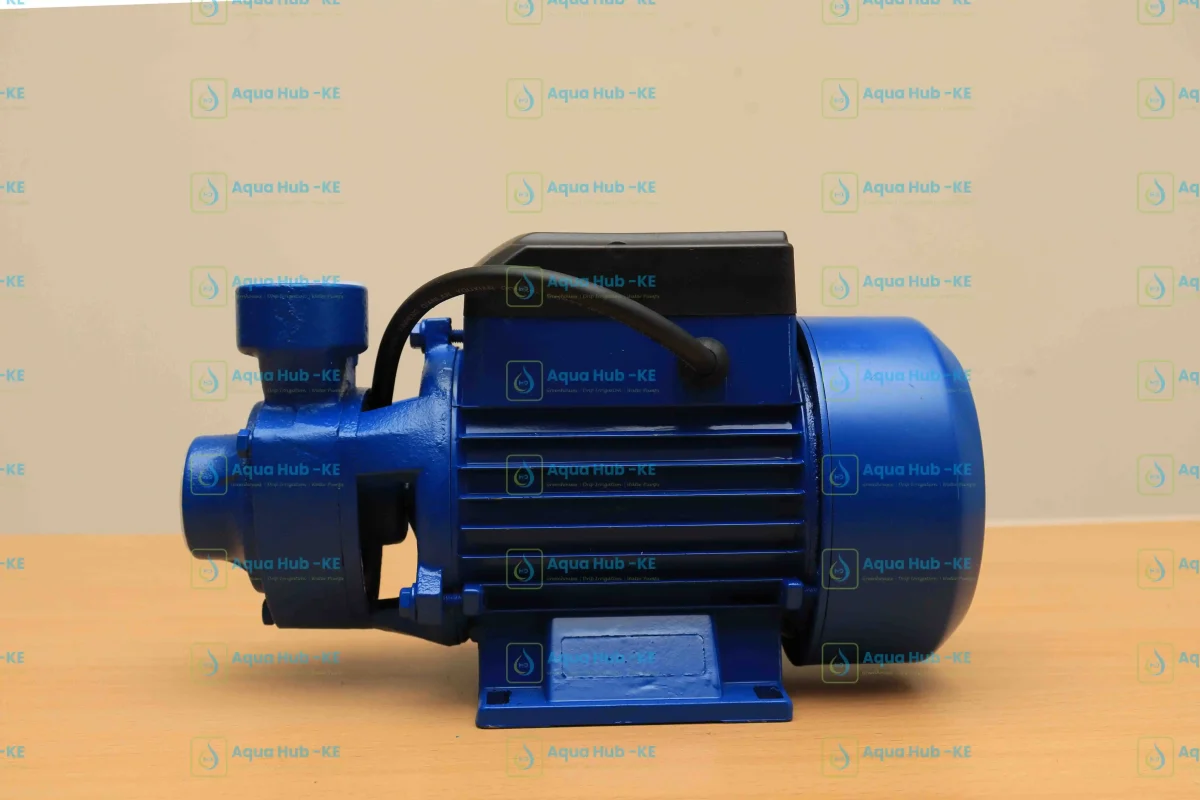
A booster pump connects directly to a water line. Water enters the pump, and the motor drives an impeller that adds pressure before the water leaves through the outlet pipe. The water then travels farther or reaches higher ground than it could without the pump. Because the pump works only on water that already flows to it, the water source and the supply pipe must deliver enough water to the inlet.
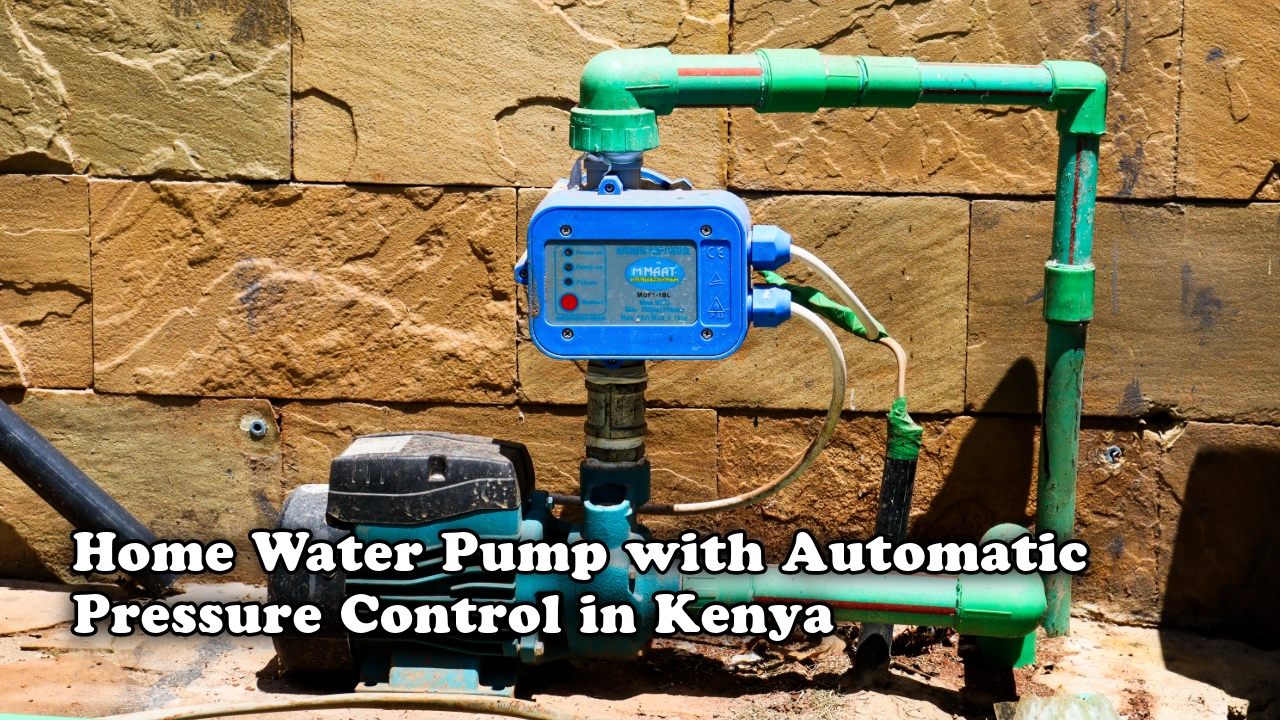
Electric booster pumps need a power supply, and they switch on when the line requires pressure or when the farmer turns them on. Some pumps start and stop by themselves with a pressure switch, and others run from a manual switch.
Pressure and Flow
A booster pump affects two things in the line: pressure and flow. Pressure determines how high and how far the water can travel, and flow is the amount of water that passes each hour. Pumps designed for high pressure usually move less water than pumps designed for high flow, so you choose the pump according to which of the two your system needs more.
Farm Jobs for Electric Booster Pumps from Aqua Hub Kenya
Farmers use booster pumps wherever the pressure in a line is too low.
Drip and Sprinkler Lines
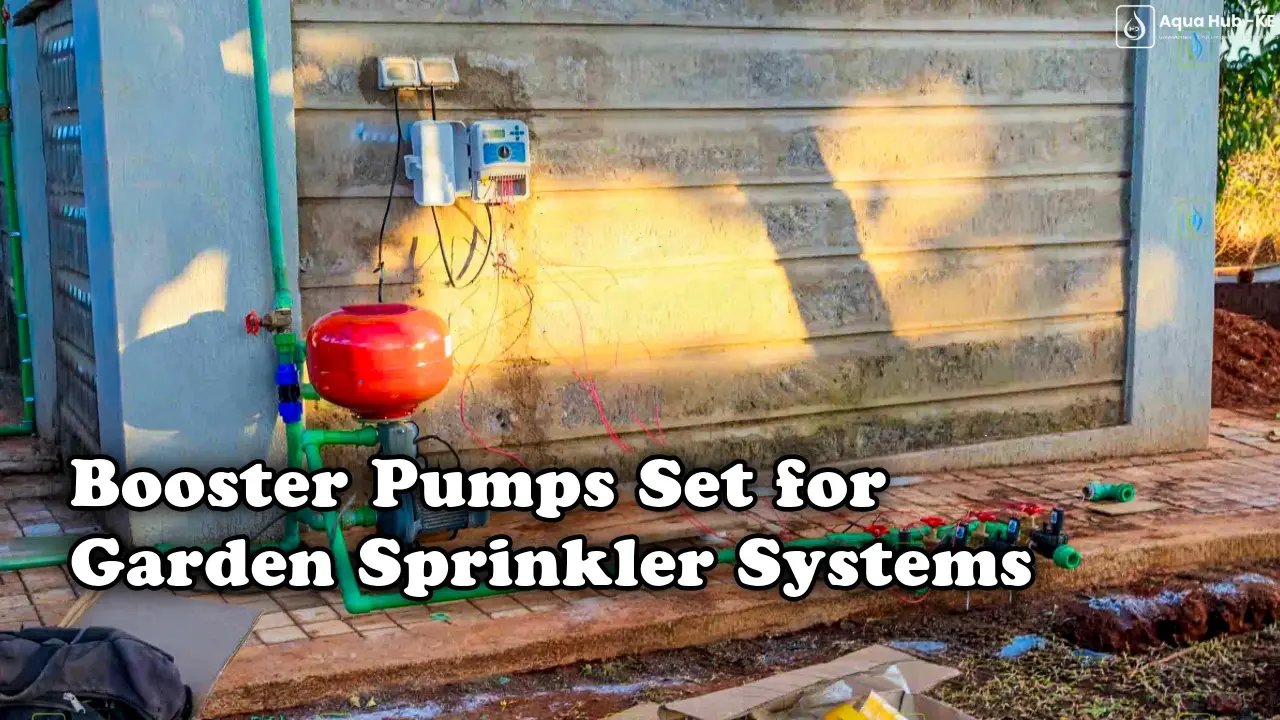
Drip kits and sprinklers need enough pressure at the far end of the line. A booster pump raises the pressure at the start of the line, so the last emitter or sprinkler receives as much water as the first. This matters most on long rows and large fields.
Uphill Fields and Distant Tanks
A field that lies above the water source needs pressure to lift the water. A booster pump supplies it, and it also helps when a tank stands far from the supply point. The pump reduces the drop in pressure over the distance. Farms on sloping land depend on this most, because water loses pressure as it rises.
Greenhouses and Livestock Water
A greenhouse with misting or drip lines needs steady pressure all day. A livestock unit with several drinking troughs needs water to reach every trough at the same rate. Both jobs suit a booster pump, because grid power keeps it running at any hour.
Choosing Electric Booster Pumps from Aqua Hub Kenya’s Range
The right booster pump matches your system, and the wrong size leads to weak pressure or wasted power. Gather these details about your system before choosing a pump:
- Diameter of the pipe the pump will connect to.
- Pressure your drip lines or sprinklers require.
- Amount of water your crops or animals use each day.
- Length of the pipe run from the pump to the farthest point.
- Height the water must climb between the pump and the field.
With these figures, the team can suggest a pump size for your line. If you plan to add more lines later, mention it at the start, because a pump chosen with growth in mind saves you from replacing it. To discuss your requirements, call +254790719020.
Power Supply for Aqua Hub Kenya Booster Pumps
Electric booster pumps run on mains electricity, so the farm needs a reliable connection near the pump. A qualified electrician should wire the pump and fit the correct protection, since water and electricity require careful installation. Check the voltage and phase rating on the pump label against the supply on your farm before switching on, because a mismatch can damage the motor.
Farms without grid power have two options. A generator can supply the pump, although it adds fuel costs and needs regular servicing. Solar booster pumps offer another route, and Aqua Hub Kenya supplies them as well. A solar model suits farms that irrigate during the day, whereas an electric pump on mains power can run at night.
Power cuts can interrupt an electric pump, so a farm that depends on its water supply should plan for a backup. A holding tank filled while the power is on gives the farm water during an outage.
Fitting Electric Booster Pumps from Aqua Hub Kenya to a Water Line
A careful installation protects the pump and keeps the pressure steady. A farmer fitting a booster pump normally works through these steps:
- Before fitting anything, they choose a dry, firm spot near the water line and away from flooding.
- Once the spot is ready, they mount the pump on a solid base so that it cannot shift when it runs.
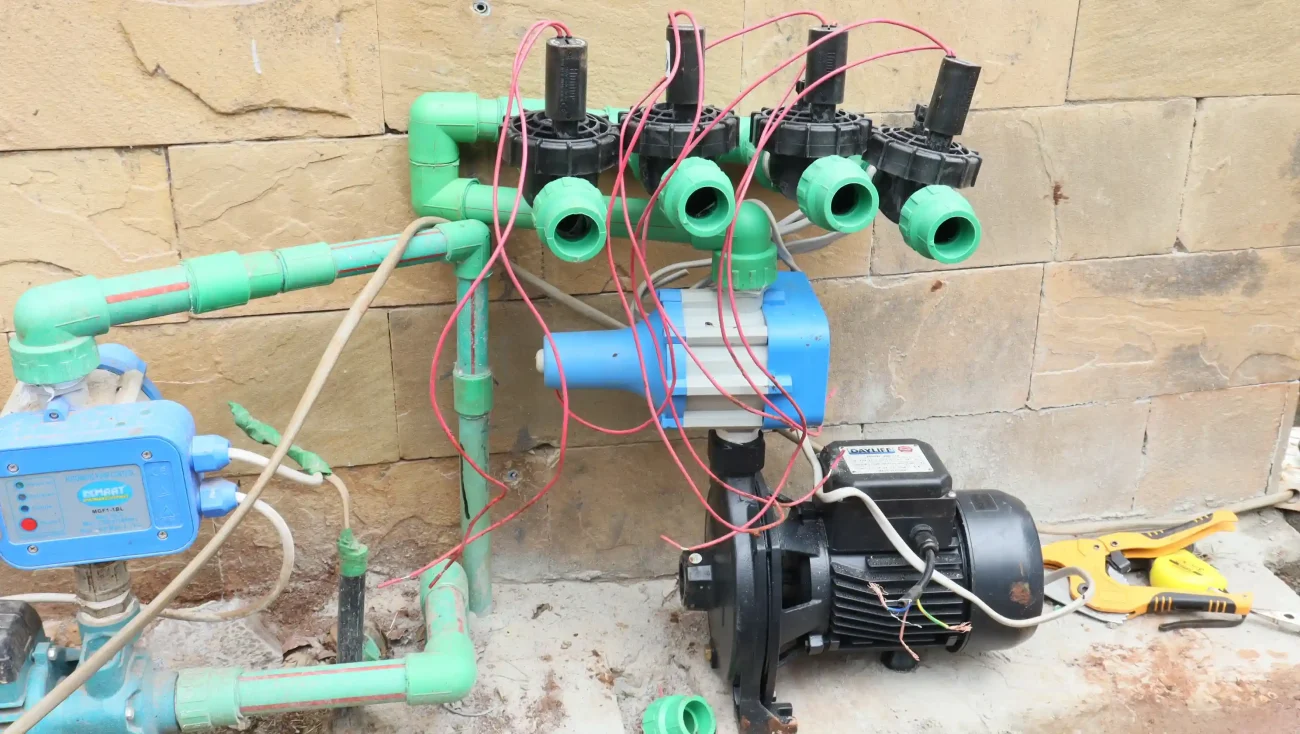
- Next, they connect the inlet and outlet pipes to the pump and tighten every joint.
- With the pipes secure, an electrician connects the pump to the power supply.
- Finally, they switch on the pump and check the pressure and joints along the line for leaks.
Place the pump where air can reach the motor and where rain cannot soak it. A shelter over the pump protects it from sun and weather and extends its working life.
Looking After Booster Pumps Supplied by Aqua Hub Kenya
An electric pump needs little care, but a few checks prevent most faults. Each week, a farmer should do the following:
- Inspect the pipe joints for leaks.
- Keep the area around the motor clean and clear of dust.
- Listen for unusual noise or vibration while the pump runs.
- Clean the filter in the line so that dirt does not enter the pump.
- Make sure the pump never runs without water in the line.
A pump that runs dry can overheat and damage its seals, so switch it off when the water supply stops. If the pressure drops or the motor trips repeatedly, call +254790719020 and describe the problem to the team.
Why Choose Aqua Hub Kenya for Electric Booster Pumps?
Aqua Hub Kenya supplies booster pumps for a wide range of farm jobs, from small lines to large irrigation systems. This range lets you buy a pump that fits your system now and replace it with a larger one only if your farm grows.
The team also supplies solar booster pumps and drip kits, so one supplier can cover the pump and the system around it. When you share your pipe size and field layout by emailing info@aquahubkenya.co.ke or by calling +254790719020, the team can recommend a pump that fits.
Frequently Asked Questions
What are electric booster pumps?
Electric booster pumps are pumps that add pressure to water already flowing in a pipe.
How much do booster pumps cost in Kenya?
Electric booster pumps cost between KES 10,000 and KES 270,000 at Aqua Hub Kenya. Call +254790719020 or email info@aquahubkenya.co.ke for the price of the pump that suits your system.
What does a booster pump do on a farm?
A booster pump raises the pressure in a water line so that the water reaches distant or higher parts of the farm. It supports drip lines, sprinklers, greenhouse misting and livestock troughs. Without it, the water may arrive with too little pressure to work properly.
Can a booster pump draw water from a pond or a well?
A booster pump is designed to raise the pressure of water that already flows into it, so it does not draw water from a low source. A surface or submersible pump suits that job.
Do I need a tank with a booster pump?
A booster pump does not require a tank, although a tank gives it a steady supply to feed from and helps during power cuts.
How is a booster pump different from a surface pump?
A booster pump adds pressure to water in a line, whereas a surface pump draws water from a source such as a pond or tank.
Can I use a booster pump for drip irrigation?
You can use a booster pump for drip irrigation when the line pressure is too low for the emitters.
What electrical supply does a booster pump need?
The electrical supply a booster pump needs depends on the pump size. Smaller pumps usually run on single-phase power, and larger pumps generally need three-phase power.
Can a booster pump run all day?
A booster pump can run for long periods as long as water keeps entering the pump. Running it without water damages the pump.
Final Thoughts on Electric Booster Pumps for Farms
Electric booster pumps solve low pressure on drip lines and sprinkler lines. The pump size and a correct installation determine how well the system performs, and regular checks keep the pump working through the year.
These pumps cost between KES 10,000 and KES 270,000, depending on the model. Call +254790719020 or email info@aquahubkenya.co.ke to get the price of the pump that fits your farm.