


Blog
Booster Pumps for Reliable Farm Irrigation by Aqua Hub Kenya

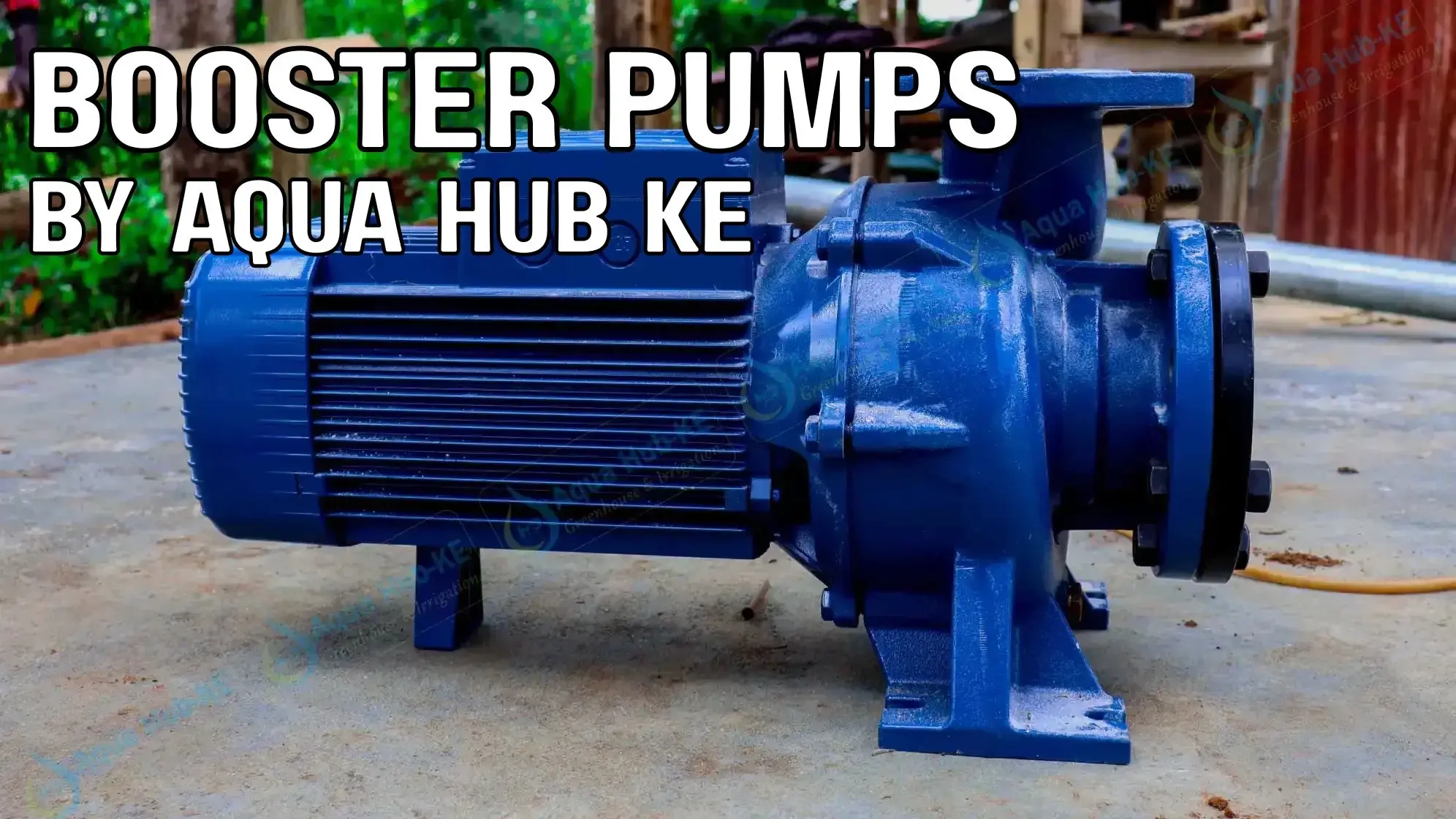
Booster pumps help move the water you already have in a system through drip irrigation lines, sprinklers, storage systems and elevated points of use. This lets the farmers hold a steady flow while cutting the costs tied to power consumption.
At Aqua Hub Kenya, booster pumps are available for various irrigation applications on farms across the country. They retail at a price that ranges from KES 6,000 to KES 150,000 depending on the model, size, power and performance specifications.
Quick Takeaways
- Booster pumps raise the water pressure in existing supply lines.
- Irrigation pumps help hold steady pressure through sprinklers and rain hose systems.
- Choosing the right pump depends on flow rate, water source, total head, application and available power.
- Automatic controls can cut down on unnecessary power use and reduce pump wear.
- Solar-powered pumps can lower dependence on fuel and electric pumps.
- Proper maintenance helps reduce breakdowns and operating costs.
- To buy the best booster pumps in Kenya, call Aqua Hub Kenya on 0790719020.
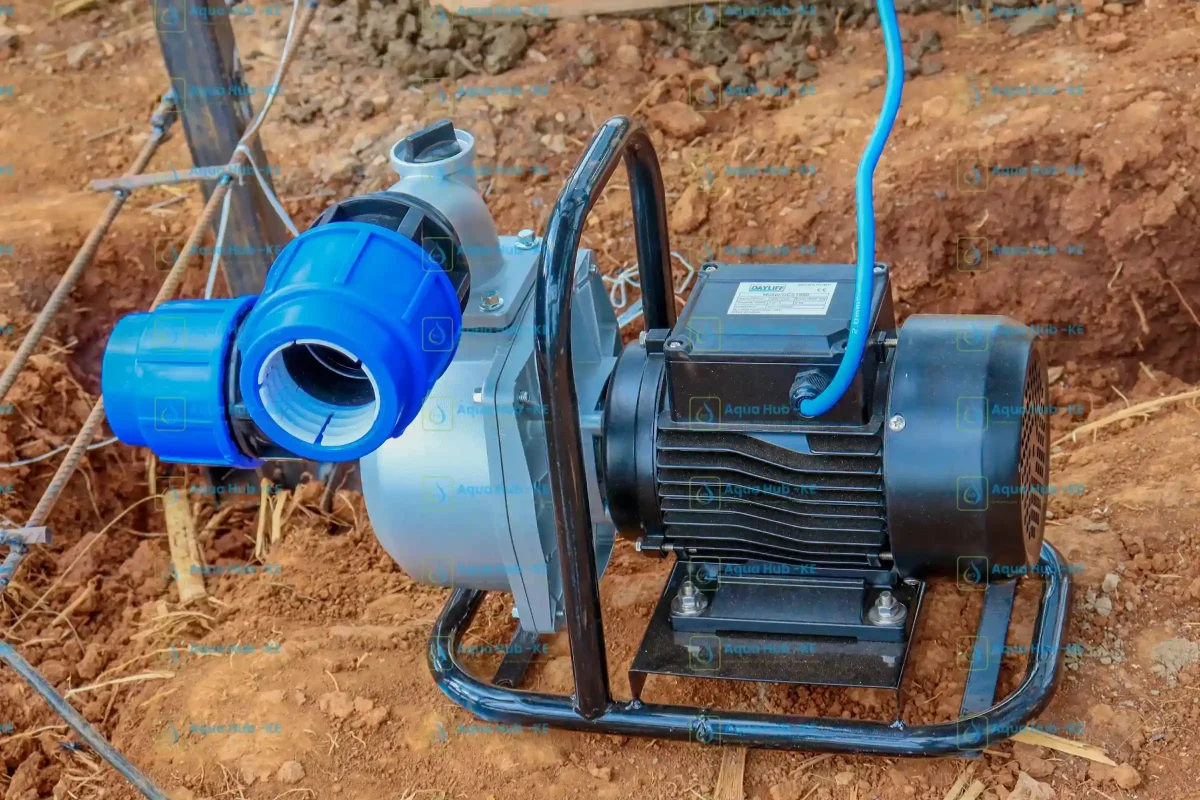
What are Water Booster Pumps?
Water booster pumps are devices built to raise pressure within an existing water supply line. Unlike standard water pumps that carry water from one point to another, these units strengthen pressure right at the point of use.
Technicians commonly install them between a main water source, storage tank or borehole and the irrigation system. They rely on impellers or diaphragms to speed up water, and that directly raises pressure across the connected pipe network.
For farmers, this means a correctly sized pump can support irrigation where water must travel through long pipe connections or where available pressure runs low. Furthermore, modern booster pumps can include automatic pressure sensors and thermal safety features.
How Do They Work?
Booster pumps operate within an existing supply line to increase pressure. When water pressure drops, automatic pressure controls can start the pump without manual input. The pump then uses an impeller or similar mechanism to increase water velocity and pressure through the pipe network. Consequently, the connected irrigation equipment receives stronger water flow. Automatic systems can also stop when demand falls. This helps reduce unnecessary operation and can lower power consumption.
Benefits of Water Booster Pumps for Farms
- Improved water pressure
- Consistent water flow
- Reduced energy consumption
- Automatic operation
- Lower maintenance requirements
- Improved irrigation efficiency
A reliable pressure booster helps irrigation equipment operate with a steadier water supply. Consequently, sprinklers and rain hose systems can receive the pressure required for efficient operation.
Moreover, automatic models start when the system detects a pressure drop. This reduces the need for manual swithing and helps prevent unnecessary pump operation. Consequently, these automatic controllers reduce the cost of running the pump as well as the risk of wear tear.
Where to Use Water Booster Pumps on a Farm
Water booster pumps have a variety of uses on farms such as:
- Irrigation farming – booster pumps help maintain stead water pressure in drip and sprinkler systems. This supports efficient irrigation while helping conserve water.
- Greenhouse farming – greenhouse farmers can use circulator and booster pumps to distribute water and nutrients evenly throughout hydroponic systems. Variable-speed technology can adjust pressure according to water demand and support stable flow.
- Livestock farming – reliable water circulation systems help provide animals with constant access to clean water. A suitable pump can therefore support watering systems where consistent supply is required.
- Tank water transfer – booster pumps can complement storage systems and help move water to the point of use. They can also support overhead tank filling where adequate pressure is required.
Water Booster Pumps for Irrigation in Kenya
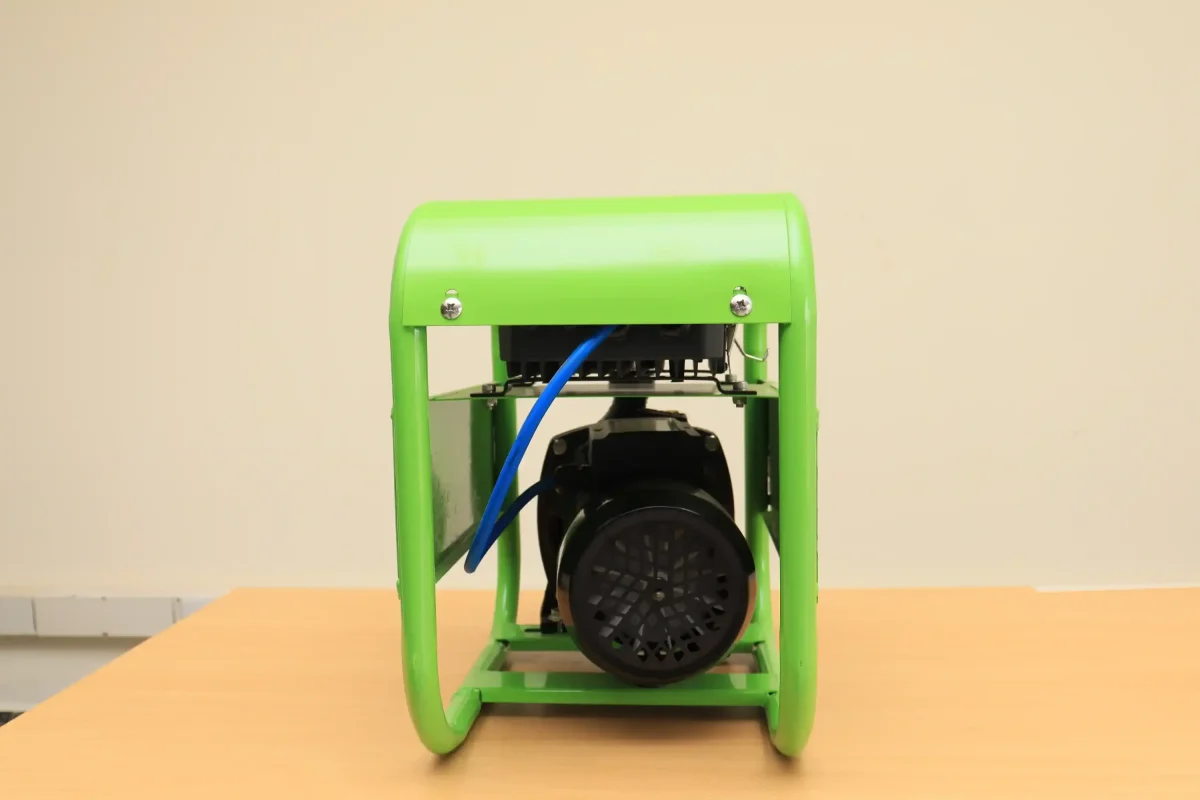
Farm irrigation requires a pump that matches the available water supply and the pressure needed at the point of use. Therefore, farmers should consider the booster pump’s flow rate, head, motor power and intended application before buying.
A booster pump can support sprinkler irrigation by pushing water efficiently through the system. It can also complement a storage tank or motorized backup tank where water availability changes during the day.
Single-Stage Booster Pumps
Single-stage booster pumps use one impeller and are designed for moderate pressure requirements. They are suitable where water does not need to travel through a highly elevated system. Small booster pump prices range between KES 6,000 and KES 30,000. However, the correct model still depends on the required flow rate and pressure.
Multi-Stage Booster Pumps
Multi-stage models rely on multiple impellers to build higher pressure. They suit situations where water must travel vertically or where the system needs higher pressure. The price for multi-stage impeller booster pumps ranges from KES 28,000 for small models to KES 150,000. For farms with demanding irrigation layouts, correct sizing stays essential because an oversized pump can waste power while an undersized pump can fail to deliver enough pressure.
Smart Automatic Booster Pumps
Smart automatic booster pumps use variable frequency drive technology to adjust performance and hold water pressure constant. These pumps switch on the moment water starts flowing in the pipeline.
They carry the ability to detect thermal overload and cut out operation, and they can also detect leaks in the system. Although these features can raise the purchase price, they can help cut electricity usage and extend the pump’s lifespan.
How to Choose the Right Pump for Irrigation
When picking out a pump, weigh out the following factors first.
Flow Rate
Flow rate shows how much water the pump can discharge per unit of time. Because of this, the pump should deliver enough water when irrigation demand runs high.
Total Head
Total head shows whether the pump can move water to the required point of use. If water needs to travel upward to an elevated tank or through a long irrigation line, pick a pump with suitable head capacity.
Water Source
The water source shapes which pump model you should buy. Farms may draw from storage tanks or boreholes, so the pump must match the available supply and application.
Electricity Availability
Low-wattage pumps can prove handy in areas with unreliable electricity. Alternatively, solar-powered booster pumps can cut dependence on electric power and fuel.
Maintenance and Spare Parts
Popular brands prove easier to repair because spare parts stay more available lovally. Always weigh service requirements and the availability of replacement parts before buying.
Common Mistackes Farmers Make When Buying Water Pumps
Choosing Cheap Low-Quality Pumps
Many farmers focus only on price and ignore efficiency or durability. However, cheap pumps can fail quickly and increase maintenance costs.
Ignoring Power Consumption
A pump with poor energy efficiency can increase electricity bills. Therefore, farmers should consider moto efficiency and operating hours before choosing a model.
Buying the Wrong Pump Size
Oversized pumps can waste power, while undersized pumps can fail to deliver sufficient pressure. Always match the pump to flow demand, head and the intended applications.
Ignoring the Water Source
The water source determines the pump model required. A pump designed for one application may not match another system, so check the source before purchasing.
What Maintenance is Required?
- Inspect monthly for leaks or unusual noise
- Clean inlet filters every quarter
- Check filters and connectors every 3-6 months
- Service the system annually
- Fix small issues early to avoid major repairs
Regular maintenance helps prevent wear and pressure loss. Furthermore, farmers should promptly address strange noises and vibrations or changes in pressure.
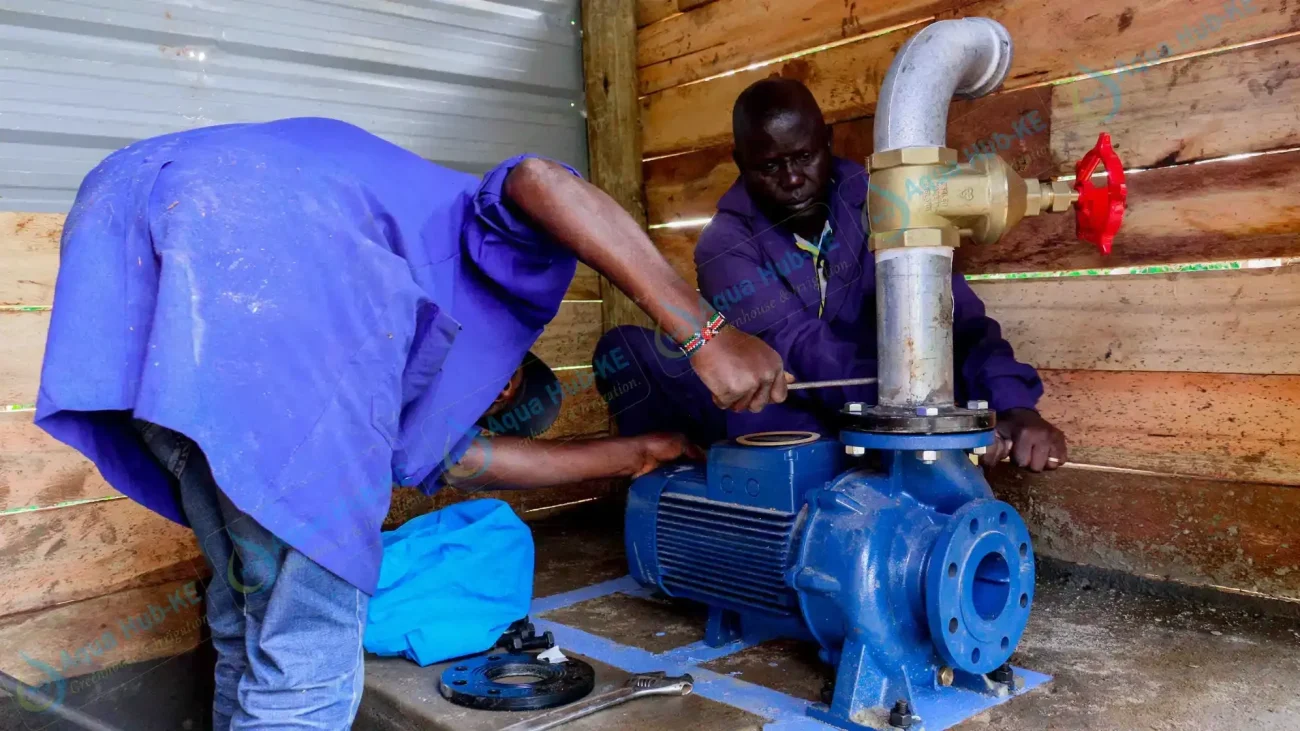
Proper electrical and plumbing installation also supports safe and efficient operation. While DIY installation may be possible, a qualified technician can ensure correct connections.
To get in contact with the best technicians for booster pumps in Kenya, reach out to Aqua Hub Kenya through +254790719020.
Where to Buy Water Booster Pumps in Kenya
Aqua Hub Kenya offers pressure booster pumps for light and heavy-duty needs, including electric and solar-powered models. The range includes pumps for domestic water supply and irrigation.
If you need a reliable booster pump for your farm, choose a model that matches your water source, flow requirements, total head and power availability.
Do you want professional guidance on the best pump for your use case or a quote on a purchase and installation? Call +254790719020 to reach our experts at Aqua Hub Kenya.
Frequently Asked Questions
What is a Booster Pump?
A booster pump is a compact centrifugal pump that increases water pressure automatically for domestic, irrigation and light commercial applications.
How do I know what size of booster pump I need?
To know the size of booster pumps that you need, consider the application, flow rate, pressure requirements, total head, water source and available power.
Can booster pumps handle irrigation?
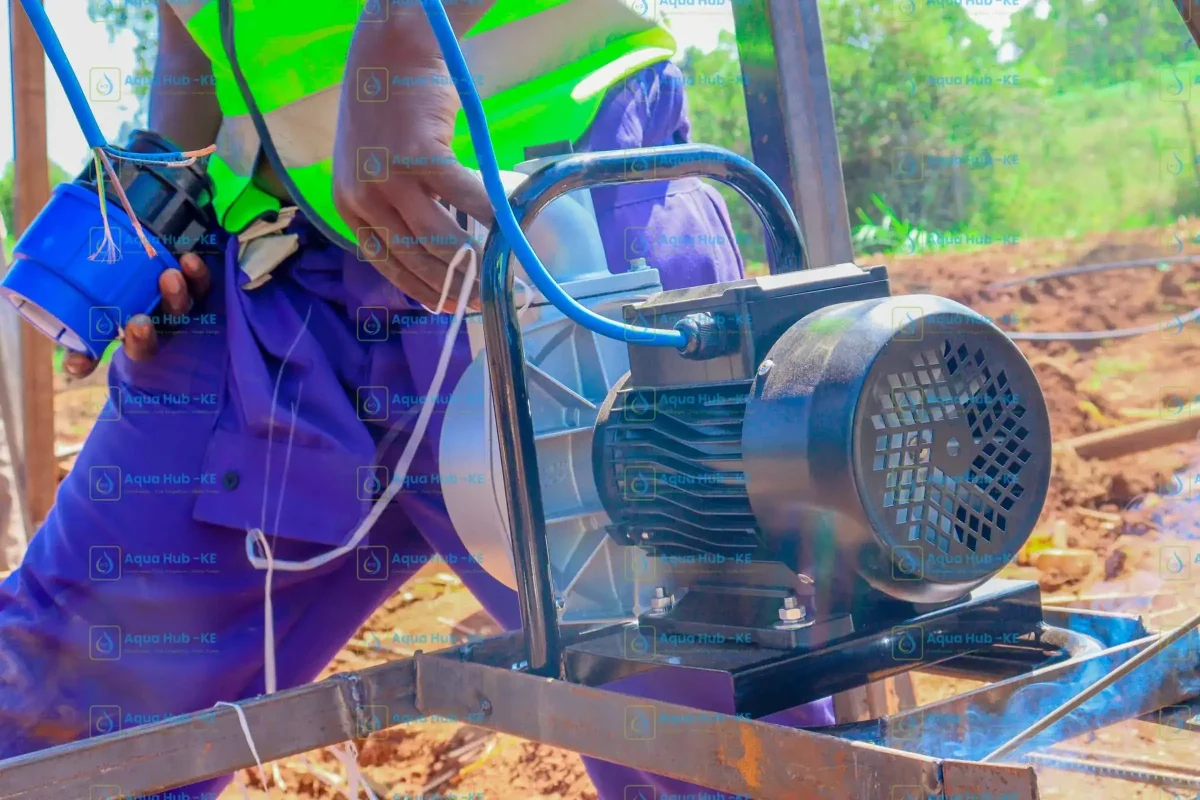
Yes. Booster pumps can deliver the water pressure required for sprinkler irrigation systems and can also support rain hose systems.
Are solar booster pumps effective for farms?
Yes. Solar booster pumps are effective for farms as they can reduce dependence on fuel and electric pumps, particularly in rural and off-grid areas.