


Blog
How to Choose the Right Surface Irrigation Pump


We have surface irrigation pumps that operates on electricity, solar, diesel and petrol fuel. It is vital to choose the right irrigation so that you achieve efficient performance and cut on cost of irrigation. Our range of surface irrigation pumps comes in high performance models designed for high output and low power consumption. We have high pressure pump models that can power sprinkler systems, rain guns and high head water transfer.
Call 0711138312
This guide provides a detailed overview of pump demands, selection criteria, installation, and maintenance.
Quick Takeaways
- The right surface irrigation pump maximizes efficiency and cost savings.
- Properly assess pump demands like flow, head, and source characteristics.
- Select the appropriate pump type based on your water source and capacity needs.
- Correct installation and routine maintenance extend your pump’s lifespan.
- solar-powered systems and remote monitoring are transforming irrigation efficiency.
- Conduct thorough cost analysis to balance investment and operational savings.
- Learn from successful case studies and stay updated on future innovations.
Understanding Surface Irrigation Pumps
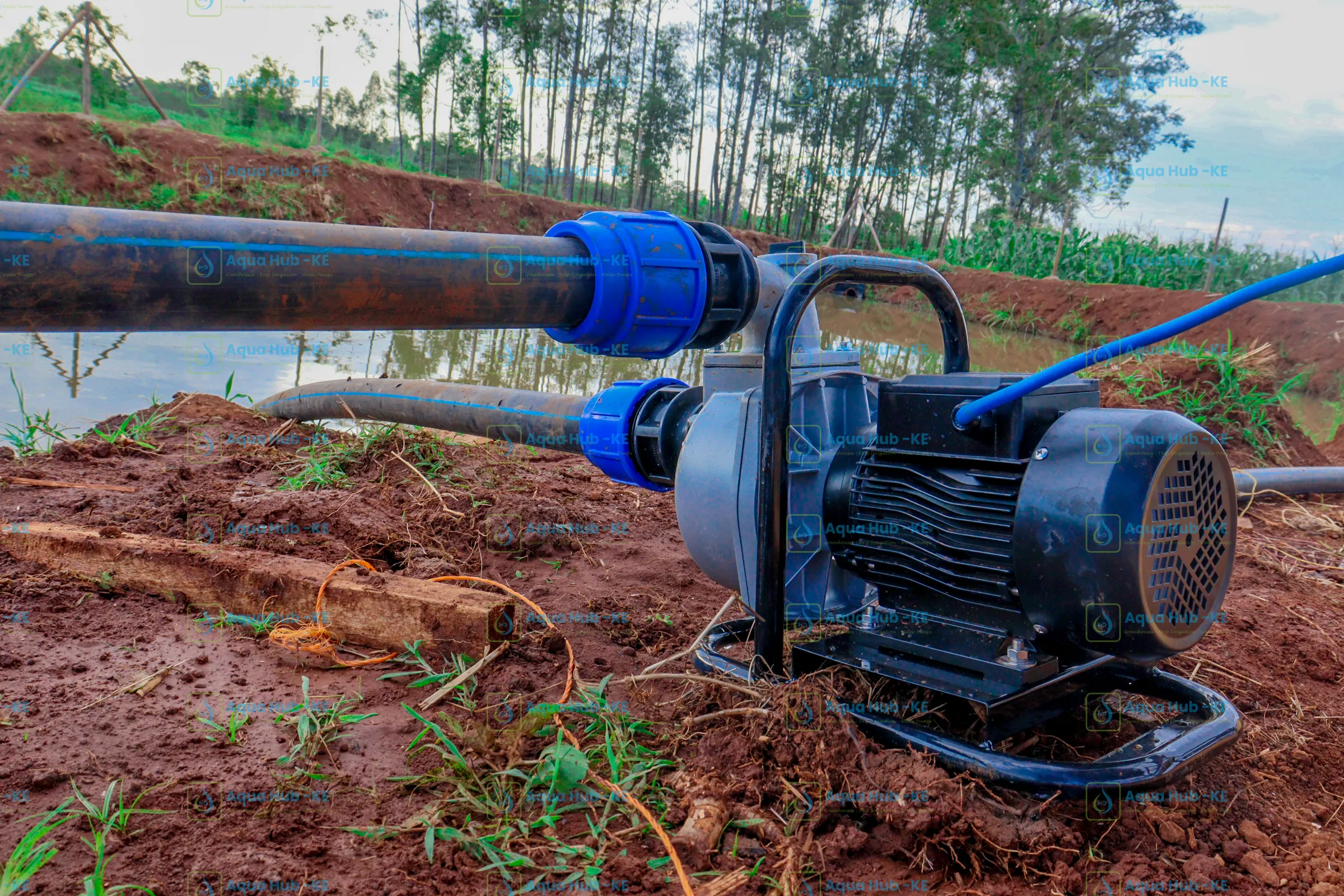
solar surface irrigation pump used for farm water transfer
Surface irrigation pumps move water from shallow sources such as a river, well, or reservoir to fields for agricultural or domestic use. They are essential in areas where gravity alone cannot supply adequate water volumes.
Benefits of Our Surface Irrigation Pumps
Benefits of using the right surface irrigation pump include:
- Increased water use efficiency
- Reduced operational costs
- Longer equipment lifespan
- Greater control over water delivery
Types of Surface Irrigation Pumps
Choosing the right surface irrigation pump type depends on water source, required flow rate, and energy considerations. Here are the most common types:
Centrifugal Pumps
- Most common for large-scale irrigation
- Work by converting rotational energy into fluid flow
- Suitable for handling large volumes of water
- Easy to operate and maintain
Jet Pumps
- Use a jet of water to lift water from shallow sources
- Suitable for small farms or community projects
- Compact and cost-effective
Reciprocating Pumps
- Use a piston or plunger mechanism
- Provide high pressure and precise flow control
- Often used in high-demand situations
Comparison of Different Types of Surface Irrigation Pumps
| Pump Type | Best Use Case | Advantages | Limitations |
| Centrifugal Pumps | Large farms, river water | High capacity, low maintenance | Less efficient with variable flow |
| Jet Pumps | Small-scale, shallow sources | Cost-effective, simple | Lower capacity, less durable |
| Reciprocating Pumps | High-pressure needs, precise control | High pressure, reliable | Complex, high maintenance |
Assessing Surface Irrigation Pump Demands
Understanding your pump demands ensures you select a model that meets your needs without over or under-sizing, which can lead to inefficiency or equipment failure.
Flow Rate Requirements
Determine the volume of water needed per unit time. The pump output is measured in litres per hour. Always consider the pump flow rate when finding the right pump to match your farm water needs.
Head Considerations
- Vertical distance from water source to the field
- Friction losses in pipes are factored in when determining the head.
- Proper Head calculation prevents underperformance
Power and Energy Needs
- Higher flow and head require more power
- Consider energy costs and availability
Water Source
- Sediment content
- Flow variability
- Water temperature
Conduct a detailed water demand analysis, factoring in crop water needs, to avoid over-pumping, which wastes energy and increases costs.
Key Selection Criteria for Surface Irrigation Pumps
Selecting the right pump involves balancing multiple factors:
Capacity and Volume
- Match maximum water demand with pump capacity
- Oversizing leads to unnecessary energy consumption
Efficiency and Energy Consumption
- Look for pumps with high energy efficiency ratings
- Reduces operational costs over time
Durability and Material Quality
- Use corrosion-resistant materials, especially if water contains sediments or chemicals
- Ensure the pump is designed from long lasting materials.
Cost and Budget Considerations
- Balance initial investment with long-term savings
- Factor in maintenance and operational costs
Compatibility with accessories
- Pipe sizes
- Power supply (electricity or solar)
- Existing system layout
Installation Guidelines for Surface Irrigation Pumps
Proper installation is critical for optimal performance and safety:
Site Selection
Choose a stable, level location
Ensure easy access for maintenance
Foundation and Mounting
Use a concrete base to prevent vibrations
Securely mount the pump to avoid misalignment
Piping and Connections
Use high-quality, corrosion-resistant pipes
Properly size pipes to prevent pressure drops
Safety Precautions
- Install electrical safety devices
- Provide protective covers and guards
- Troubleshooting Installation Issues
- Check for leaks or misalignment
- Validate power supply and wiring
Incorporate a bypass valve during installation for easy maintenance and system testing.
Maintenance of Surface Irrigation Pumps
- Checks for leaks, vibrations, or unusual noises
- Regularly inspection and replacement of worn out parts.
Troubleshooting Common Problems
- Reduced flow or pressure
- Excessive noise
- Electrical failures
Extending Pump Lifespan
- Regular cleaning
- Proper storage during off-season
- Using high-quality lubricants
Innovative Technologies in Surface Irrigation Pumps
Emerging technologies enhance efficiency and control:
- Variable Frequency Drives (VFDs): Adjust motor speed to match demand, saving energy.
- Solar-Powered Pumps: Reduce operational costs and dependence on grid power.
- Remote Monitoring Systems: Use sensors and IoT to track pump performance and detect issues early.
Common Mistakes to Avoid When Choosing and Installing Water Pumps
- Overestimating demand leading to oversized pumps
- Ignoring maintenance needs
- Poor site selection causing installation issues
- Skipping safety precautions during installation
- Avoiding these pitfalls ensures your investment provides maximum benefits.
Frequently Asked Questions (FAQs)
1. What are the most energy-efficient surface irrigation pumps for large farms?
High-efficiency centrifugal and solar-powered pumps.
2. How do I determine the right flow rate for my irrigation system?
Calculate based on crop water needs, field size, and peak demand, ensuring your pump can meet the maximum required flow.
3. What maintenance practices can extend my pump’s lifespan?
Regular inspections, lubrication, replacing worn parts, and cleaning prevent breakdowns and prolong lifespan.
4. Which pump types are best for shallow water sources?
Jet pumps or small centrifugal pumps are suitable for shallow sources, providing reliable flow.
5. How often should I inspect my irrigation pump?
Weekly inspections are recommended, with detailed checks quarterly or after major use.
6. What are the common signs of pump failure?
Decreased flow, unusual noises, overheating, or electrical issues indicate potential failure.
7. Can I install a solar-powered pump in my community project?
Yes, solar pumps are increasingly popular and cost-effective for remote or off-grid communities.
8. How does sediment affect pump performance?
Sediments can cause wear and clogging; use sediment filters and choose pumps designed for dirty water.
9. What is the typical lifespan of a surface irrigation pump?
over 20 years
10. Where Can I Buy Surface Irrigation Pumps?
Aqua Hub LTD