Blog
Fuel Engine Water Pump Prices in Kenya

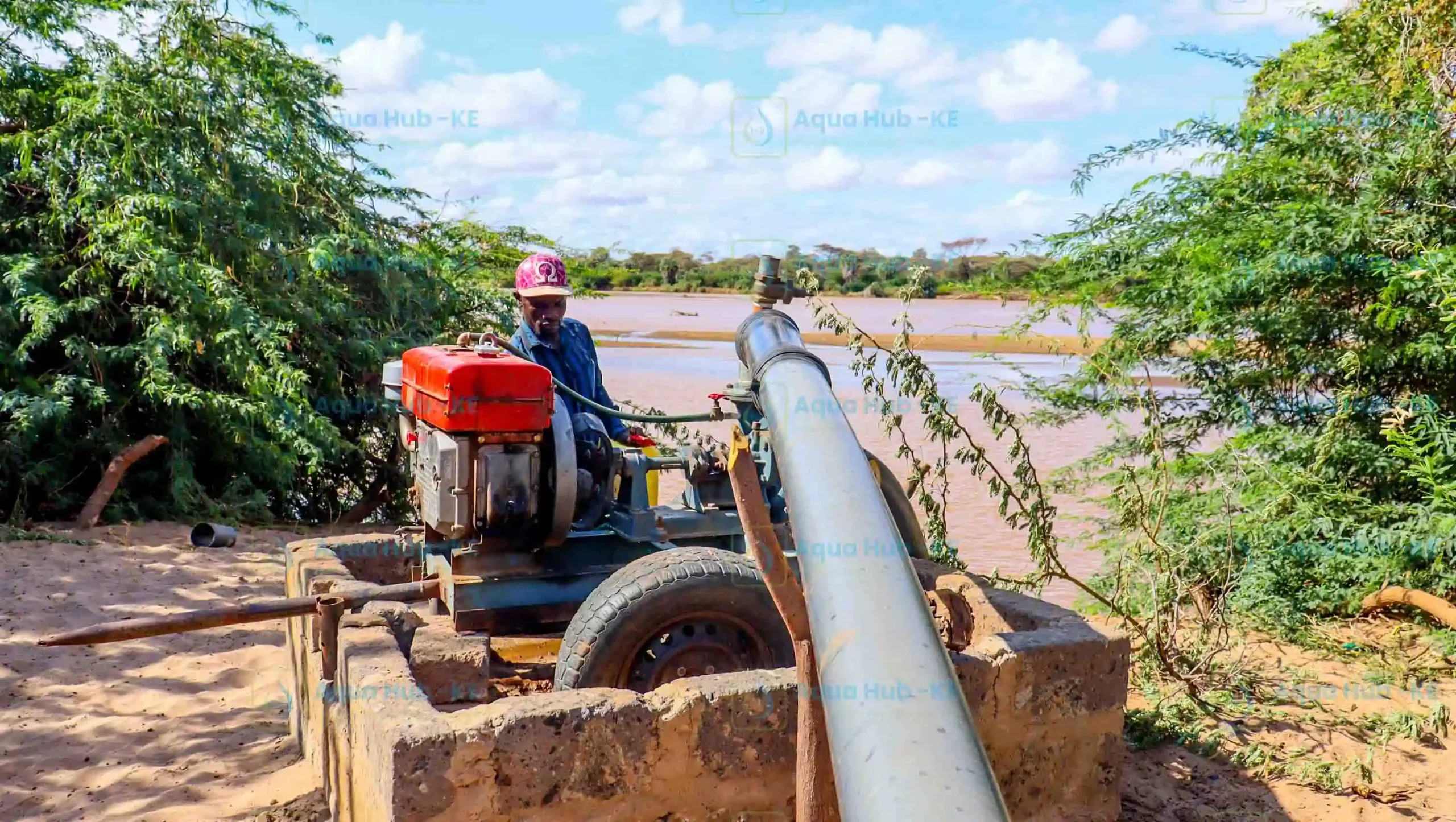
The Fuel Engine Water Pumps are a range of portable pumps designed for irrigation, dewatering, and general water supply applications. These pumps are commonly used to supply water from rivers, reservoirs, and storage tanks to fields and gardens.
Fuel Engine Water Pump Prices range from KES 15,000 to KES 50,000 for high-performance models available at Aqua Pumps KE.
Call 0711138312
With Aqua Pumps, continuous water supply for irrigation or home needs is guaranteed. People living in rural or off-grid areas can easily pump water for their daily needs.
How Fuel Engine Water Pumps Work
Dayliff DC engine pumps operate on petrol- or diesel-powered engines. When the pump starts, the engine spins the impeller, creating pressure that causes suction and discharge of water through the outlet.
Components of Fuel Water Engine Pumps
Fuel engine pumps are designed with:
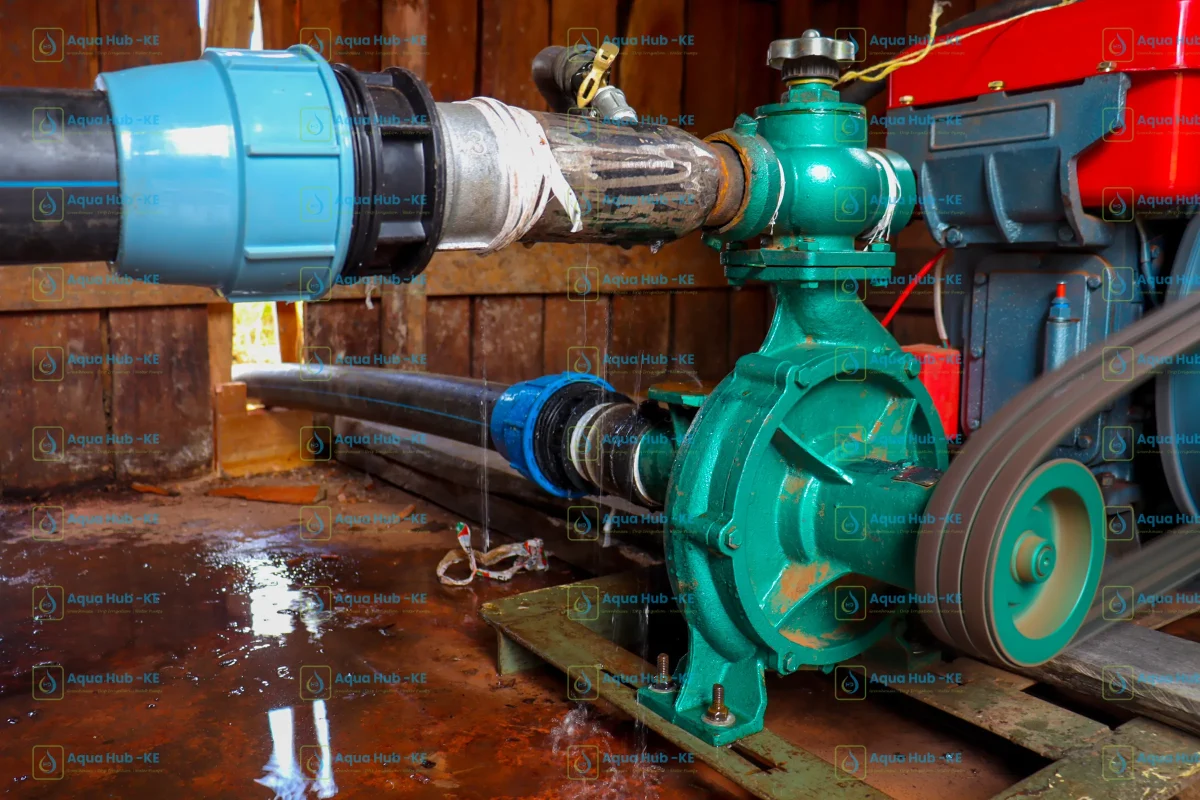
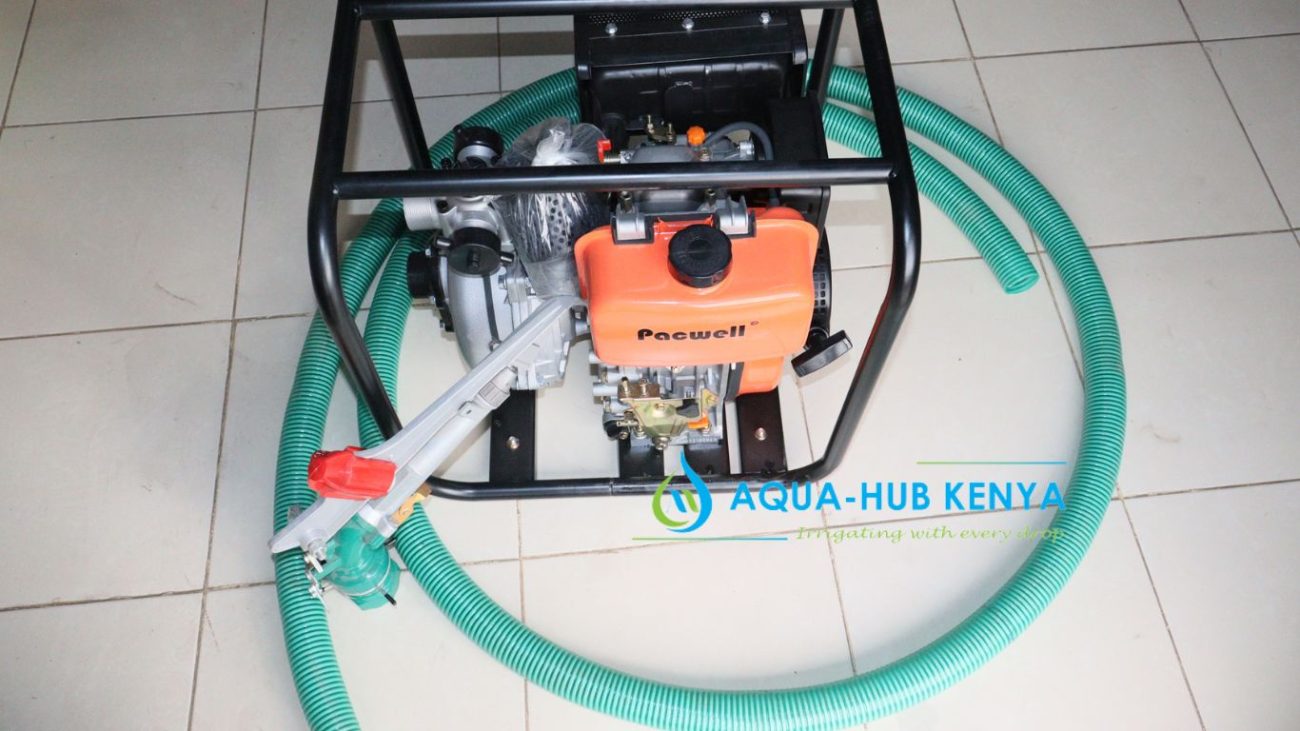
- Engine: Petrol or diesel, air-cooled, four-stroke with oil alert system.
- Pump Body & Impeller: Usually cast aluminum for lightweight and corrosion resistance.
- Quick-Coupling Suction & Inlet Connectors: For easy hose attachment.
- Protection Frame: Provides portability and protects the unit in rough field conditions.
Top Fuel Engine Water Pumps in Kenya
Dayliff DC Series
The standard Dayliff DC engine pumps are self-priming and suited for light to moderate water transfer duties. These are excellent for farmers needing dependable engine pumps for irrigation without complexity. Models include DC50, DC80, and DC100 variants with different power ratings.
DCI Heavy-Duty Pumps
The DCI series are non-self-priming, cast-iron centrifugal pumps built for heavier-duty irrigation and water supply tasks. They typically have larger inlet/outlet sizes and stronger engines to handle demanding jobs.
DCX High-Pressure Pumps
The DCX range is optimized for high-head and high-pressure applications, ideal if you’re pumping water up steep terrain or long distances.
Fuel Options: Petrol vs Diesel
The Dayliff DC pumps operate on diesel or petrol engines to power the pump. The differences between diesel and fuel engines are:
- Petrol Pumps: Lighter, easier to start, cheaper upfront—suitable for smaller farms and households.
- Diesel Pumps: More fuel-efficient under heavy loads, longer engine life, and better torque, which is advantageous for larger irrigation systems.
Pump Performance & Specifications Explained
When selecting a pump, the common performance specifications that are often considered are
- Flow Rate: The amount of water your irrigation project or household applications require per unit time should be within the pump’s rate of flow.
- Head (m): The vertical lift capability of the pump. Pump The head should be correct so that the pump can push water to the point of use.
- Suction Lift: how high the pump can draw water from the source. For Dayliff DC pumps the maximum suction lift is 8 m above sea level.
Always match pump specs with your irrigation or household needs for efficient operation.
Choosing the Right Fuel Engine Pump for Irrigation
You should consider the farm size, distance to the source (head), elevation, and crop type & water demand when buying an irrigation pump.
High-pressure pumps (DCX) are ideal when elevation is significant, while the standard DC series suits direct irrigation with moderate field water needs.
Fuel engine Pumps for Domestic Water Supply
Dayliff DC engine pump models are reliable for moving household water due to high flow rates to accommodate varying needs. These pumps also have long run times, thus offering a consistent water supply when electricity is not available.
Pump Installation
- Place the pump on a flat, stable base.
- Use quality suction and discharge hoses.
- Prime the pump correctly if it is not self-priming.
- Ensure clean intake water to reduce wear.
Maintenance
Maintenance includes routine oil changes, cleaning suction strainers, and inspecting hoses to extend pump lifespan. The common challenge is loss of suction power due to leaks. Leakage problems can be solved by regular checks and tightening loose fittings and hose seals.
Benefits of Fuel Engine Pumps in Kenya
- They are portable—easy to carry around due to their sturdy frames.
- Highly reliable—does not rely on grid power, thus ideal for off-grid areas.
- High torque—high engine power makes them reliable for delivering high flow rates over large distances.
- Long-lasting performance—Our engine pump models are designed using non-corrosive materials for long-term performance.
Frequently Asked Questions
What is a fuel engine pump used for?
A fuel engine pump is primarily used for irrigation, dewatering, and water transfer where electric power is unavailable.
Can I use a DC pump for household water supply?
Yes. Small DC models work well for home water delivery, especially in off-grid locations.
What’s the difference between petrol and diesel engine pumps?
Petrol pumps are lighter and cheaper, while diesel pumps are more efficient for heavy, long-term use.
How deep can fuel engine pumps draw water?
Most DC pumps can lift water up to 8 m suction head at sea level.
Are Dayliff DC pumps self-priming?
Standard DC models are self-priming; the DCI series may require priming before use.
How often should I service my engine pump?
Check oil and hoses monthly during heavy use and do a full service every season.
Can I use these pumps for construction site drainage?
Absolutely. Many models are suitable for dewatering and emergency water removal.
Is fuel efficiency better with diesel?
Yes. Diesel engines tend to consume less fuel under heavy loads.
How do I troubleshoot suction loss?
Check all hose connections for leaks, ensure proper priming, and clean the strainer.