Blog
Best Irrigation Pumps for Sale in 2026 by Aqua Hub Kenya

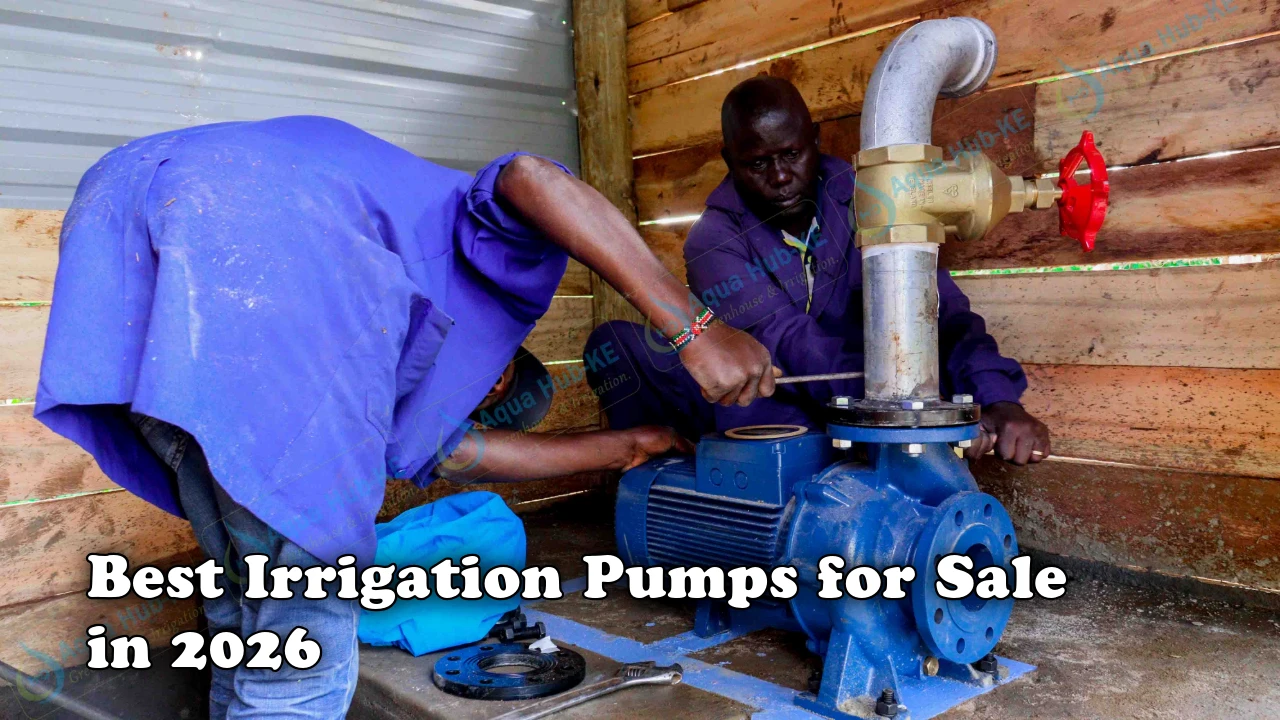
Prices of the best irrigation pumps start at KES 10,000 at Aqua Hub Kenya and go up to KES 270,000, depending on the type and size of the pump.
The best pump for one farm is rarely the best pump for another, because each farm has its own water source, its own power supply and its own fields. A pump that suits a borehole will not draw water from a river, and a pump that suits a small drip system will not feed a large field. Farmers who match the pump to the job get steady water and lower running costs.
Aqua Hub Kenya sells irrigation pumps for most farm sources and jobs, and the team installs them. Share your water source and field size with the team by calling +254790719020 to learn which pump fits.
Prices of the Best Irrigation Pumps at Aqua Hub Kenya
The table lists each pump type with its main use and its price range in Kenya shillings.
| Pump type | Best used for | Price (KES) |
|---|---|---|
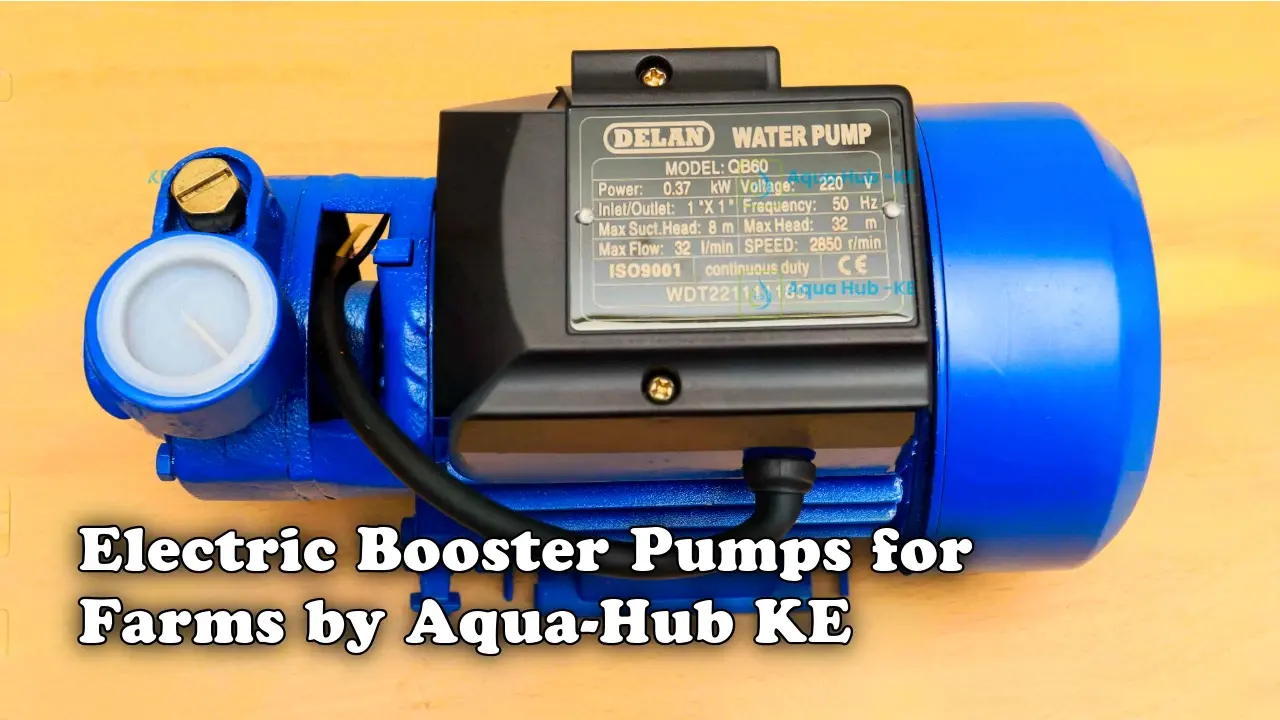
| Electric booster pumps | Adding pressure to drip and sprinkler lines | 10,000 to 270,000 |
| Solar booster pumps | Adding pressure where mains power is missing | 15,000 to 19,500 |
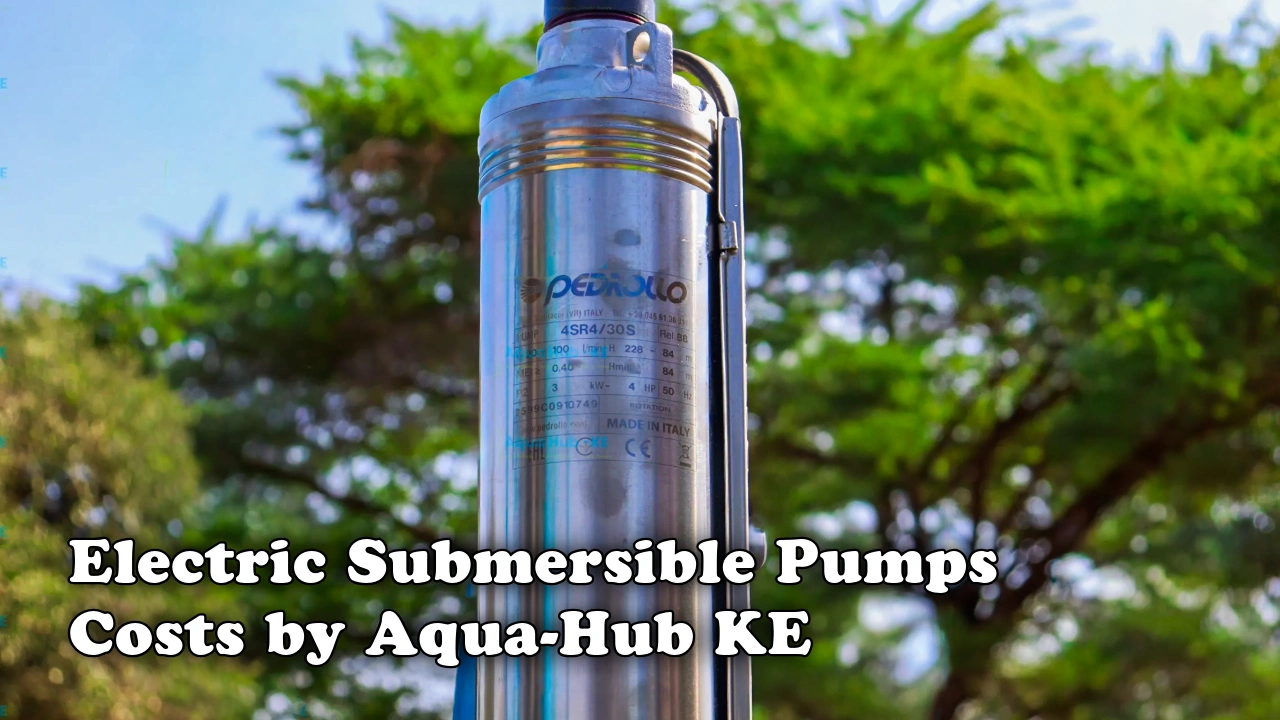
| Electric submersible pumps | Lifting water from boreholes and wells | 15,000 to 250,000 |
| Solar surface pumps | Drawing water from ponds and dams | 25,000 to 60,000 |
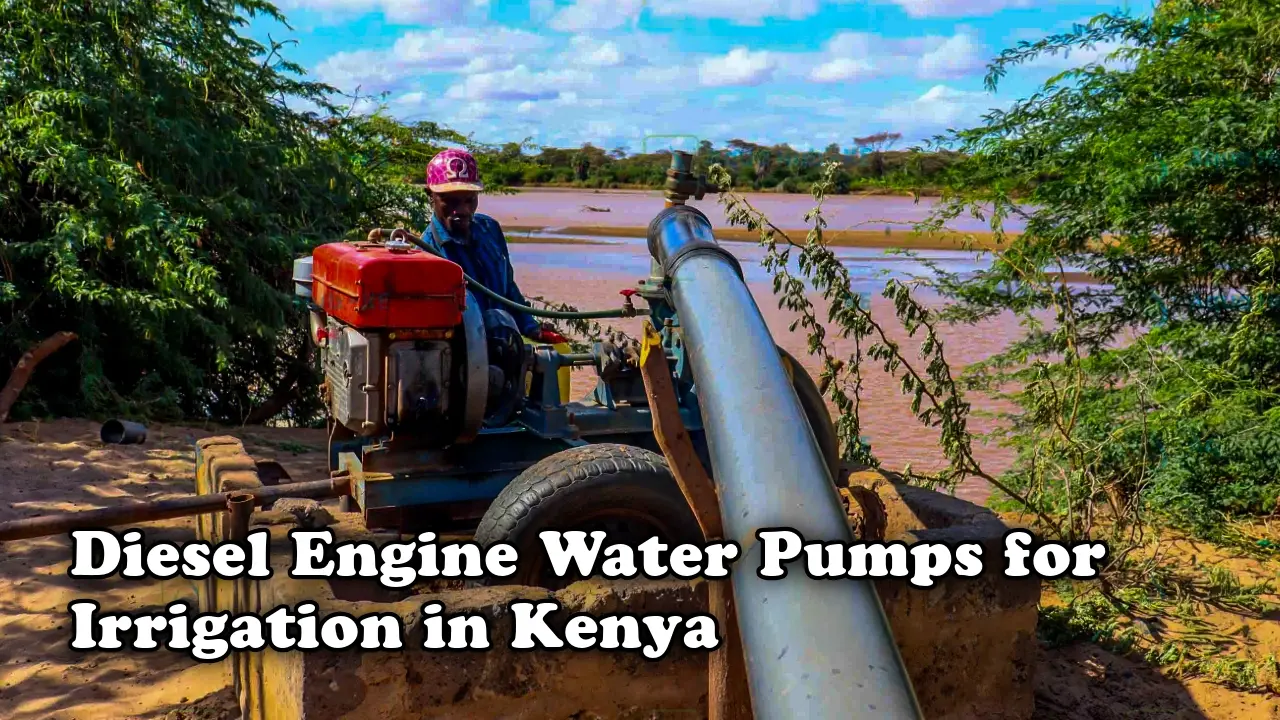
| Petrol and diesel pumps | Moving large volumes where power is limited | Depends on size and head |
Prices can change with the model and the order, so call +254790719020 or email info@aquahubkenya.co.ke for the exact price of the pump you want.
Pricing Petrol and Diesel Pumps
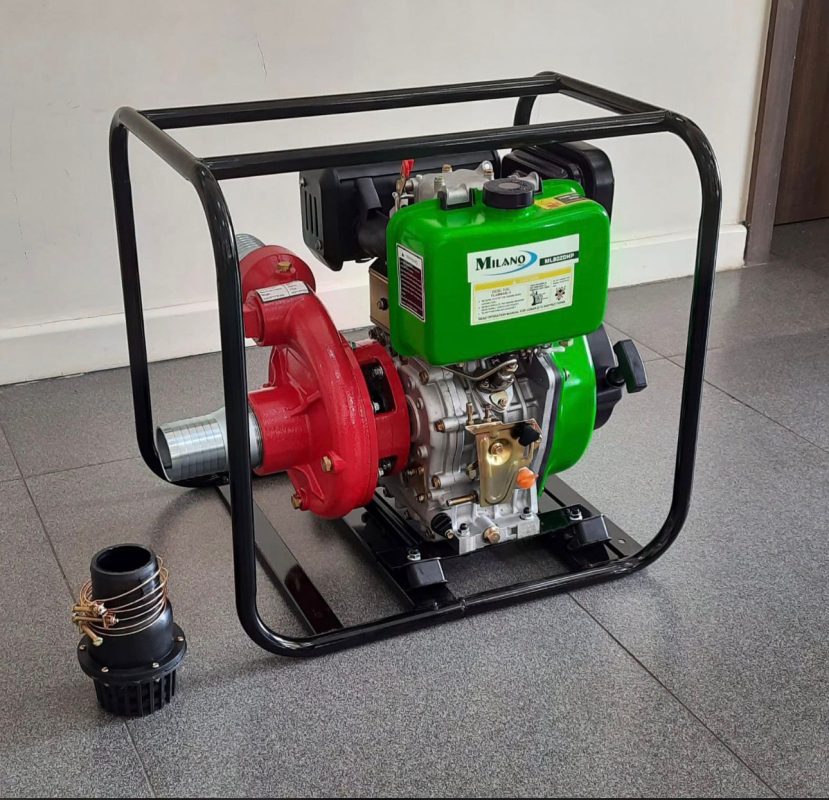
The price of a petrol or diesel pump follows the size of the pump and the head it must work against. Head is the height and distance the pump lifts and pushes the water. Send your head and flow needs to info@aquahubkenya.co.ke, and the team will quote the pump that fits.
How to Choose the Best Irrigation Pumps from Aqua Hub Kenya’s Range
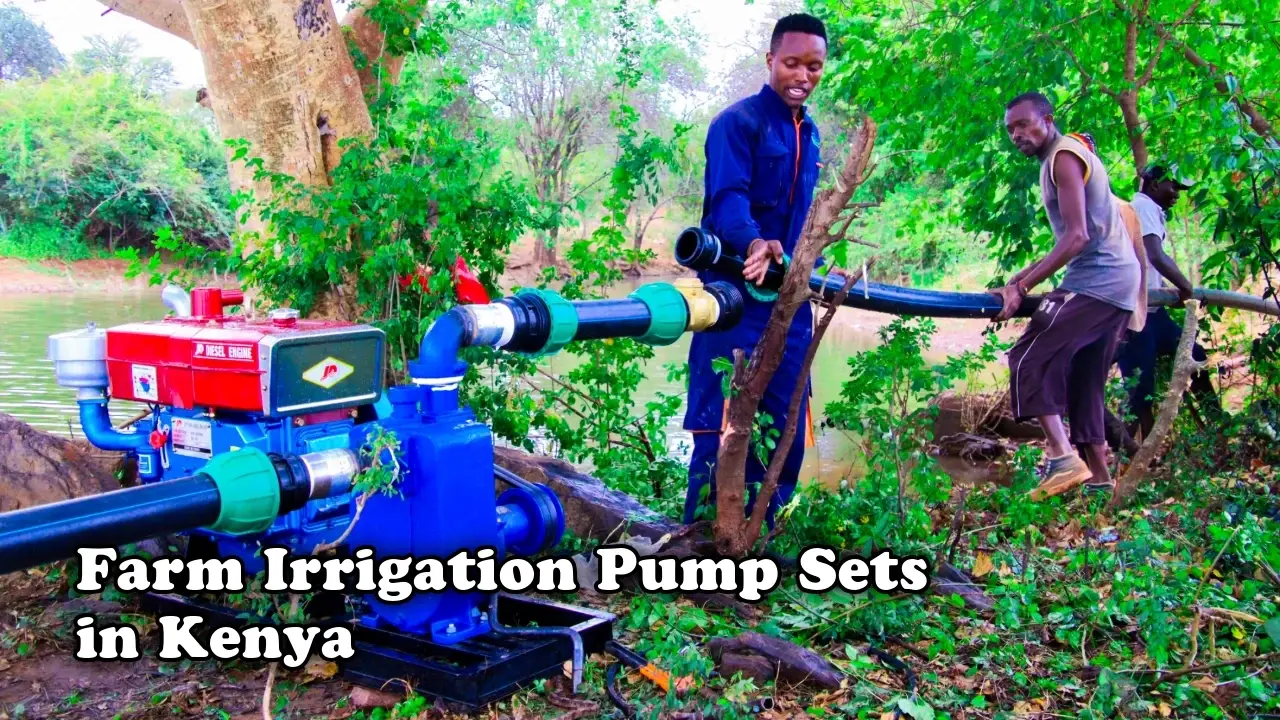
A pump that is too weak leaves the far end of the field dry, whereas a pump that is too large wastes power or fuel. Settle these points before you compare pumps:
- Water source and how far below ground it lies.
- Lift required between the water and the highest part of the field.
- Amount of water the crops need each day.
- Power available at the farm.
- Irrigation method, such as drip lines or sprinklers.
Write these answers down before you contact the team. They let the team match the best irrigation pumps to your system without guesswork.
Water Source and Depth
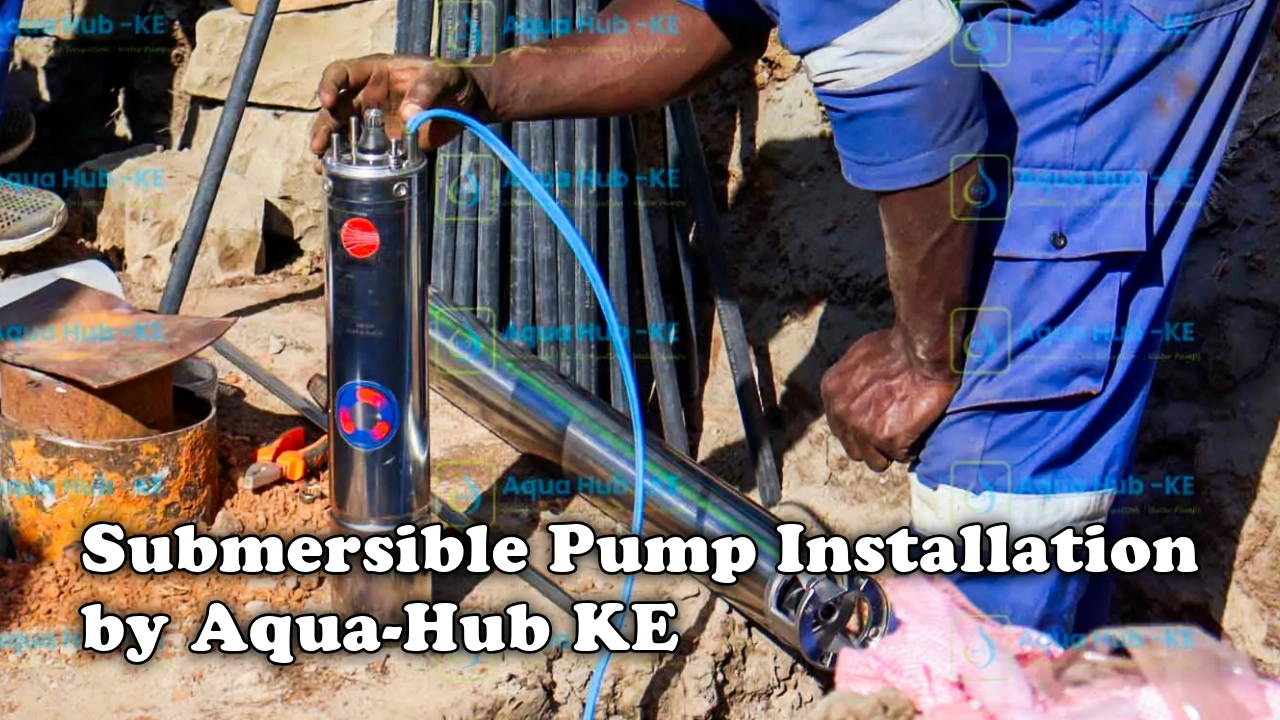
The source decides the pump type. Water in a borehole or well needs a submersible pump, which works under the water. Water in a pond or a dam suits a surface pump, which stays above ground and pulls the water to itself. A line that already carries water but delivers it with too little pressure needs a booster pump.
Flow and Head
Flow is the volume of water the pump moves each hour, and head is the height and distance it must overcome. A large field needs more flow, and a high or distant field needs more head. Drip systems also need enough pressure at the far end of each line, so check the pressure the emitters require.
Types of Irrigation Pumps Sold by Aqua Hub Kenya
Aqua Hub Kenya sells these pumps for irrigation:
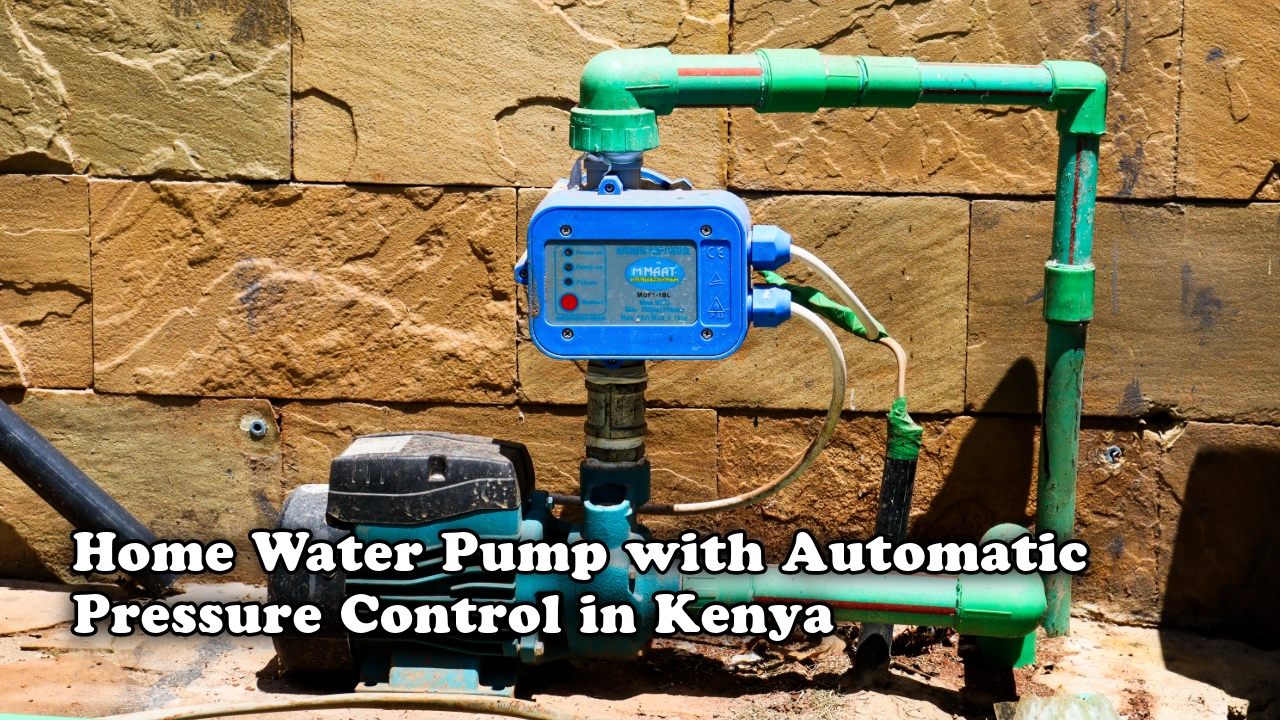
- Electric booster pumps raise the pressure in a water line so that drip lines and sprinklers work properly.
- Solar booster pumps do the same job from sunlight, which suits farms without mains power.
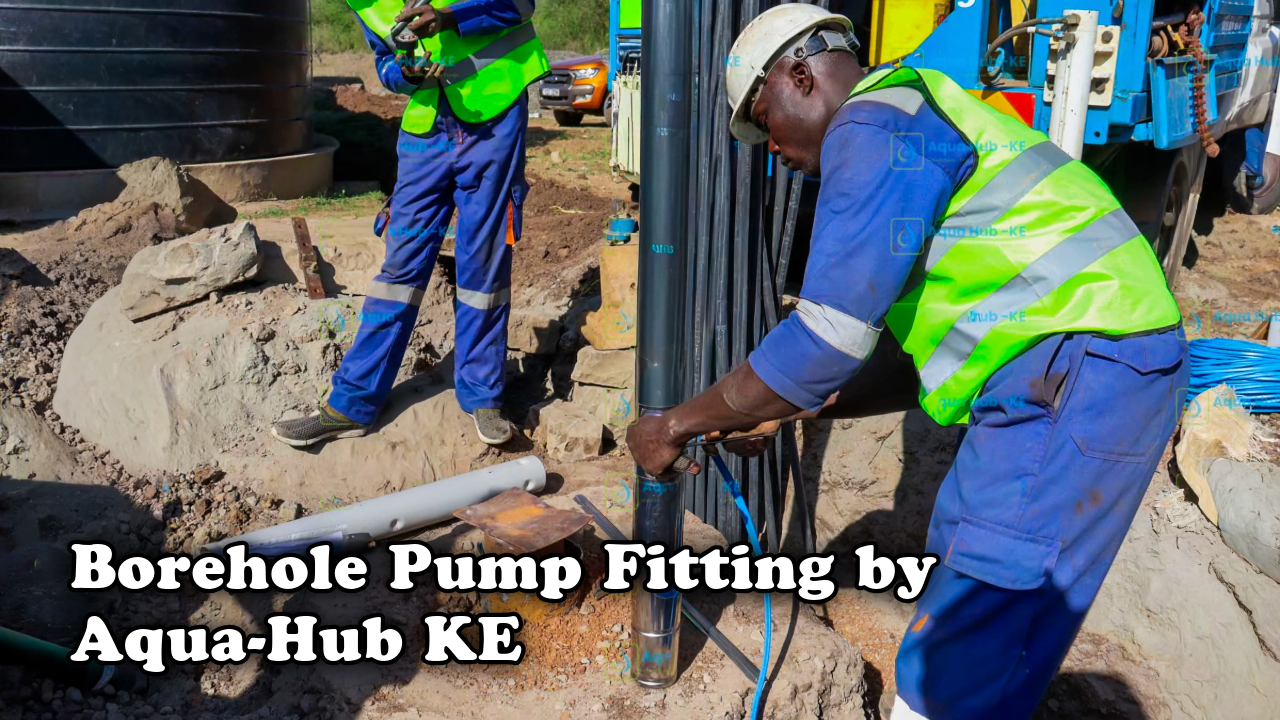
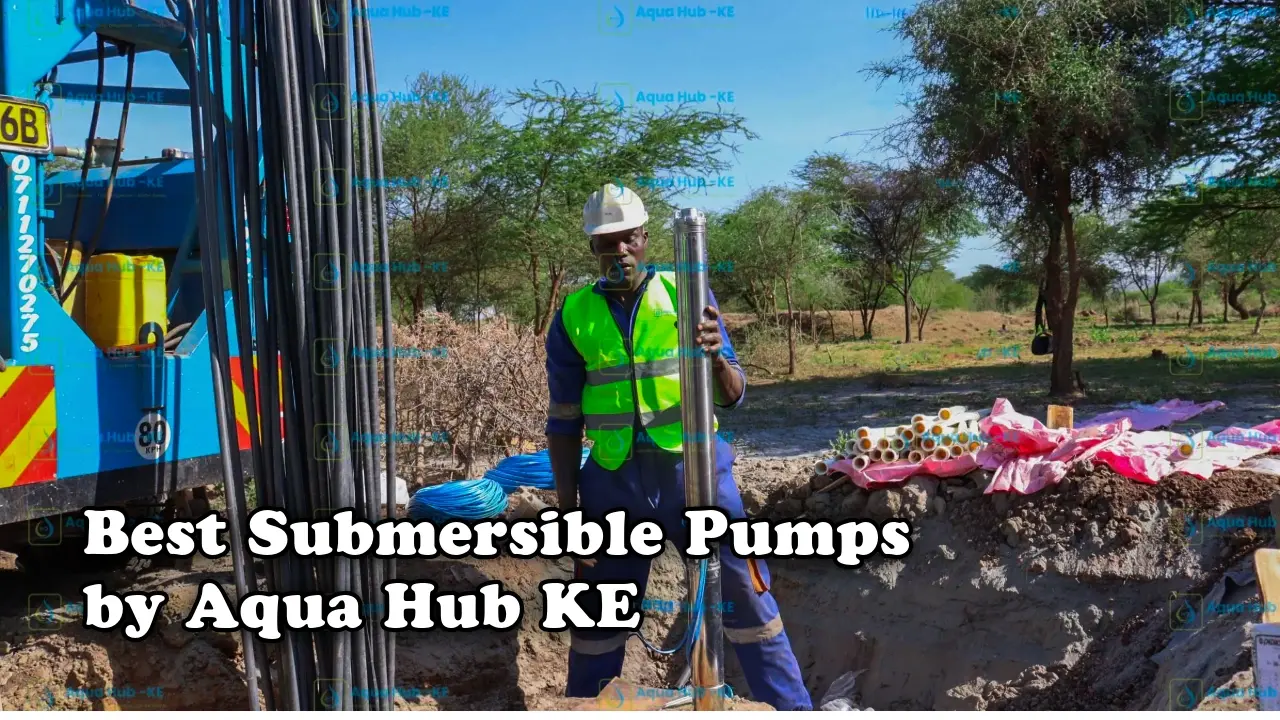
- Electric submersible pumps sit under the water in a borehole or well and push it to the surface.
- Solar surface pumps draw water from ponds and dams, using the power of the sun instead of fuel.
- Petrol and diesel pumps move large volumes of water on farms with limited power.
Each type has a place in the farm, and some farms combine two types, such as a surface pump that fills a tank and a booster pump that pressurises the drip lines. Ask the team to confirm which type suits your source before you buy.
Matching the Best Irrigation Pumps to Common Farm Jobs
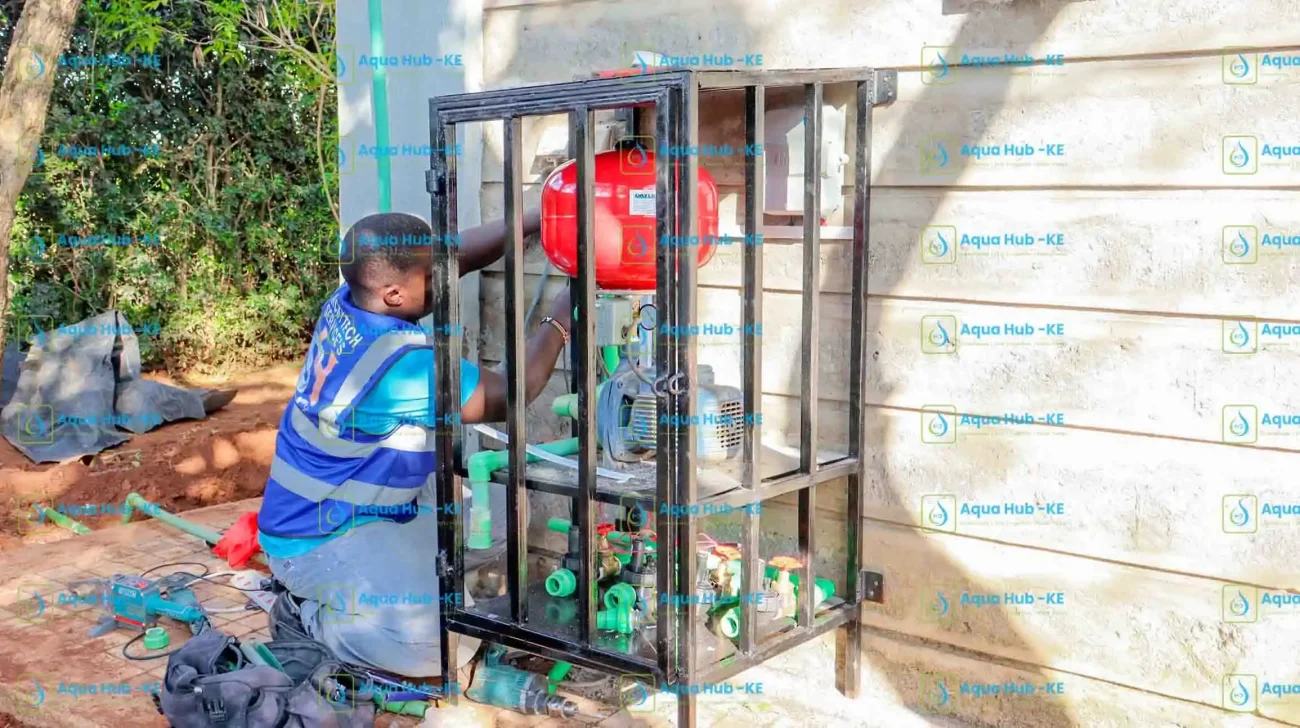
Start with the job, because it points to the right pump. A farm with a drip system on a long line needs a booster pump to keep the pressure steady along the rows. A farm with a borehole needs a submersible pump to bring the water up. A farm with a dam or a pond needs a surface pump, and the solar version removes the fuel bill. A large farm with no power connection can run a petrol or diesel pump for high flow.
Sprinkler systems need more pressure than drip systems, so a farm that switches from drip to sprinklers may need a stronger pump. Likewise, think about when you irrigate. Solar pumps work in daylight, so they suit farms that water in the day. Farms that irrigate at night, or that need water on cloudy days, can store water in a tank during the day or use an electric or fuel pump instead.
Best Irrigation Pumps for Small Farms and Large Farms
Small farms usually need modest flow, so a solar booster pump or a small electric pump can run a drip system for a few beds. Large farms need more flow and head, so they use submersible pumps for boreholes and surface pumps for dams. Mid-sized farms often start with one pump and add a second as the irrigated area grows, which is why a full range matters more than a single model.
Power Options for the Best Irrigation Pumps by Aqua Hub Kenya
Electric pumps run on mains electricity and need very little attention once the installers fit them. Solar pumps run on sunlight, so they need no fuel and no electricity bill, although output falls on heavily clouded days. Petrol and diesel pumps run on fuel, which makes them suitable for remote farms, but they need regular servicing and a steady fuel supply.
Farms that use solar pumps can add a tank to carry water through cloudy spells. Whichever power you choose, check that the supply matches the pump. Check the motor label for its phase rating, since single-phase and three-phase supplies are not interchangeable. Call +254790719020 if you are unsure which supply your pump needs.
Installation by Aqua Hub Kenya’s Team
Aqua Hub Kenya sells and installs its pumps, so one team handles both the purchase and the fitting. The installers work through the following steps:
- First, the installers inspect the water source and the route to the field.
- Next, they position the pump and connect the suction and delivery pipes.
- Once the pipes are secure, they connect the power supply or the solar panels.
- After that, they start the pump and test the flow and pressure.
- Last, they inspect every joint for leaks.
You can speed up the work by clearing the route and marking where the pump should stand. Once the route is clear and marked, call +254790719020 and fix an installation day.
Looking After the Best Irrigation Pumps Supplied by Aqua Hub Kenya
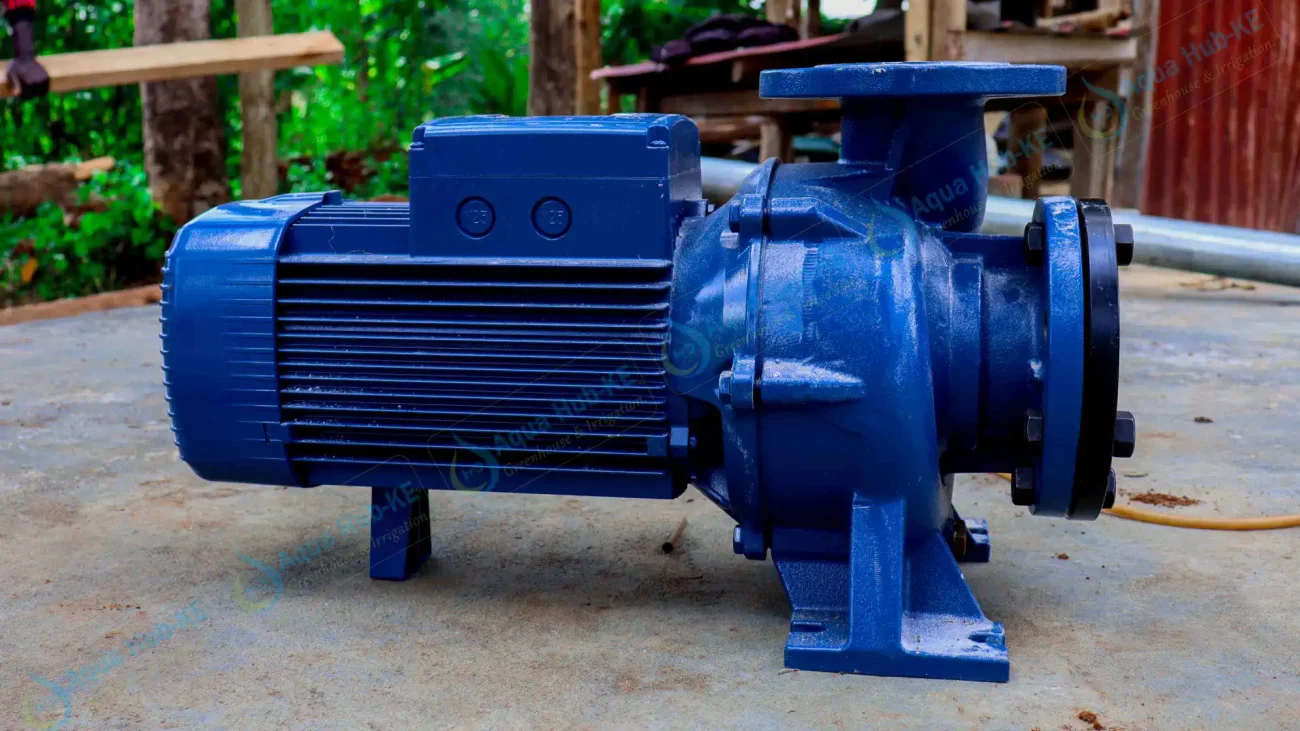
Best Irrigation Pumps
A pump lasts longer when the farmer checks it often. Regular checks cover the following:
- Pipe joints, for leaks.
- Filters and strainers, for blockage.
- Noise or vibration while the pump runs.
- Water supply to the pump, which must never run dry.
- Fuel and oil levels, for petrol and diesel pumps.
Switch off a pump that makes unusual noise or delivers less water, and call +254790719020 so the team can advise you on the next step.
Why Choose Aqua Hub Kenya for the Best Irrigation Pumps?
Aqua Hub Kenya sells electric, solar, petrol and diesel irrigation pumps, so a farm can find one supplier for whatever its source and fields require. The team that sells the pump also installs it, which keeps the whole job with one supplier.
The team also supplies drip kits, so the pump and the system it feeds can match from the start. Send your water source and field size to info@aquahubkenya.co.ke, or call +254790719020, and the team will match a pump to them.
Frequently Asked Questions
What makes an irrigation pump the best choice for a farm?
The best choice matches the water source, the height the water must reach, the amount of water the crops need and the power available at the farm.
How much do irrigation pumps cost in Kenya?
Irrigation pumps at Aqua Hub Kenya cost from KES 10,000 up to KES 270,000, depending on the type and size. Get the exact price by emailing info@aquahubkenya.co.ke or calling +254790719020.
Which pump suits a borehole?
A submersible pump suits a borehole because it works under the water and pushes it to the surface.
Which pump suits a pond or a dam?
A surface pump suits a pond or a dam. A solar surface pump does the same job without fuel.
Do solar irrigation pumps work on cloudy days?
Solar pumps still run on cloudy days, but they deliver less water. Store water in a tank on sunny days if you need a steady supply.

Submersible water pump
Can a booster pump irrigate a field on its own?
No. A booster pump adds pressure to water that already flows in a line, so it needs a source such as a tank or a main pipe.
Is a petrol pump better than an electric pump?
It depends on the farm. Petrol pumps suit places without power, whereas electric pumps suit farms with a dependable connection and lower upkeep.
What size irrigation pump do I need?
The size depends on the flow your crops need and the head the pump must overcome. Share those figures by calling +254790719020 to get a size suggestion.
Do irrigation pumps need regular servicing?
Yes. Check the joints and the filters often, and service petrol and diesel pumps at regular intervals.
Final Thoughts on the Best Irrigation Pumps from Aqua Hub Kenya
The best irrigation pumps match the source, the head, the flow and the power supply of the farm. A correct match gives steady water, and regular checks keep the pump working through the year. Farmers who write down their water source and head before they buy usually choose correctly the first time.
The best irrigation pumps at Aqua Hub Kenya cost from KES 10,000 up to KES 270,000, with petrol and diesel pumps priced by size and head. Ask for a combined quote for the pump and its installation by emailing info@aquahubkenya.co.ke or calling +254790719020.