Blog
Solar panel installation for pumps by Aqua Hub Kenya

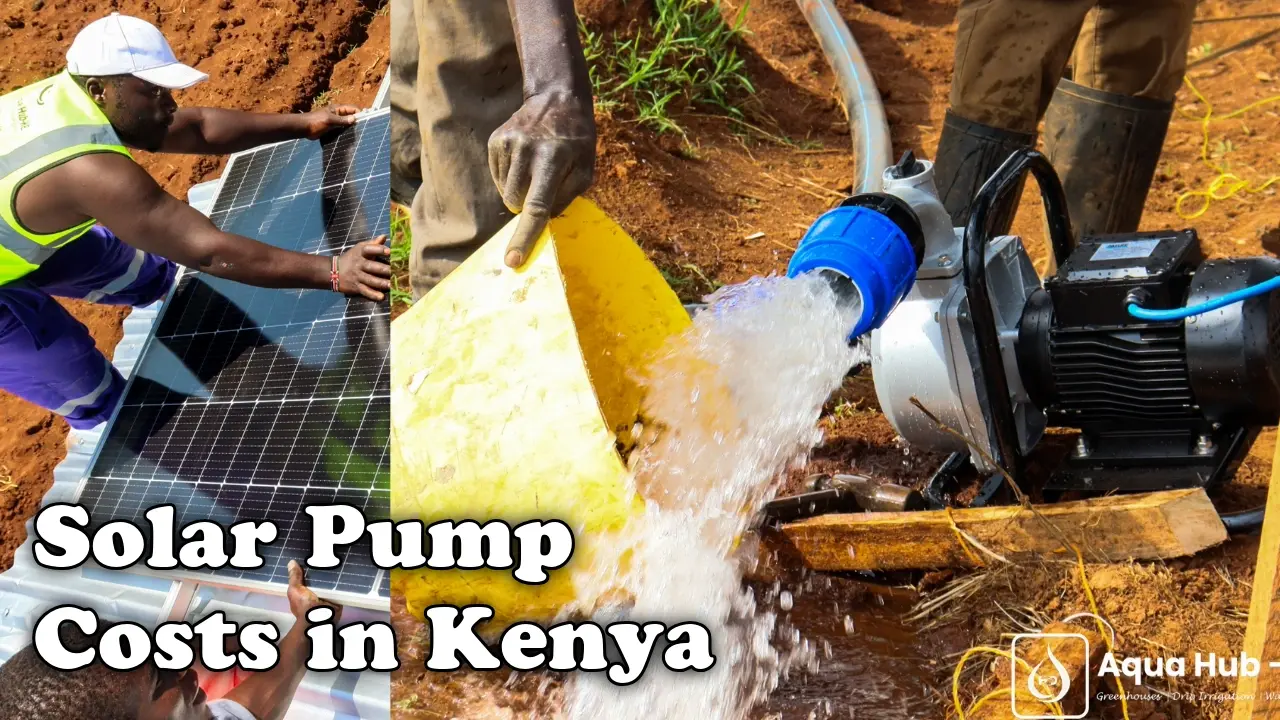
Solar panel installation for pumps from Aqua Hub Kenya costs between KES 500,000 and KES 2,500,000, depending on the size and purpose of your system.
Petrol and diesel pumps need fuel every time you irrigate or fill a tank. A solar pump runs on sunlight instead, so your daily pumping costs fall sharply. For this reason, more Kenyan farmers now choose solar panel installation to power pumps at boreholes, dams, rivers and irrigation lines.
Aqua Hub Kenya is a leading place to buy solar pumping equipment, and our team fits the system on your farm. With us, you get panels, pumps, controllers and inverters from one team, then see them installed correctly. Call us using the number +254790719020 or email info@aquahubkenya.co.ke to discuss your project.
What does solar panel installation cost with Aqua Hub Kenya?
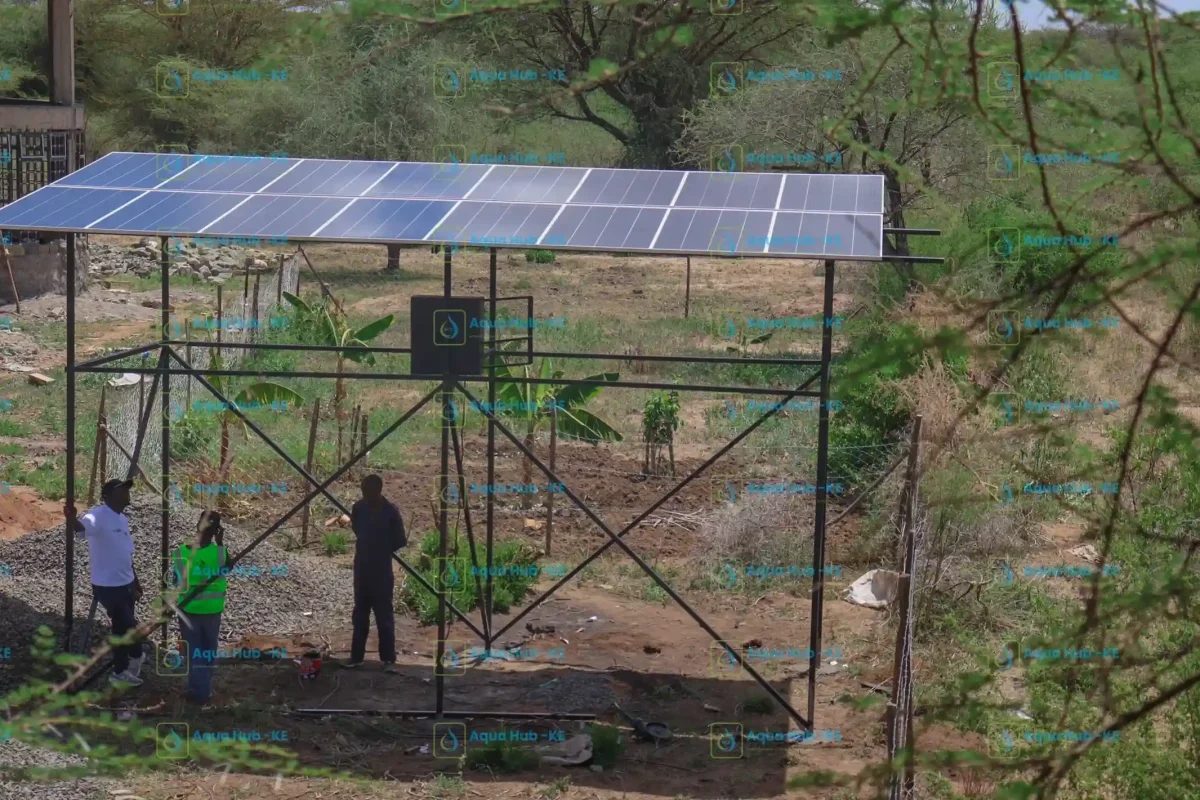
The cost of solar panel installation for pumps ranges from KES 500,000 to KES 2,500,000. This range is wide because every farm uses water differently. For example, a small system that fills a tank sits near the lower end, while a large system that drives a deep borehole sits near the upper end.
Several factors set your final figure:
- What the panels will power, such as irrigation or livestock watering
- Whether the panels form part of a borehole system
- The number of panels your pump needs
- The pump type and its power rating
- The controller or inverter that matches the pump
To get an exact quote for your specific setup, speak to our team through +254790719020 or email info@aquahubkenya.co.ke. Also, share your water source, its depth, your daily water needs and your farm size so the quote matches your real project.
Why Aqua Hub Kenya customers choose solar panel installation over fuel pumps
A fuel pump costs money every time it runs. Solar panel installation removes that expense because sunlight is free. In addition, a solar pump needs only one person to operate it, so you spend less time and effort moving water.
A solar pump gives you clear daily advantages:
- No petrol or diesel to buy, carry or store
- Water flowing through the day while the sun shines
- Less servicing, since there is no engine to maintain
- Dependable pumping on farms far from the power grid
- Quiet running with no fumes
As a result, you keep the money that fuel would have taken from your budget. Besides saving cash, you gain water that is ready whenever your crops or animals need it. Farmers who once carried water by hand or hauled fuel to a remote pump feel this change straight away.
What Aqua Hub Kenya supplies for your solar pump system
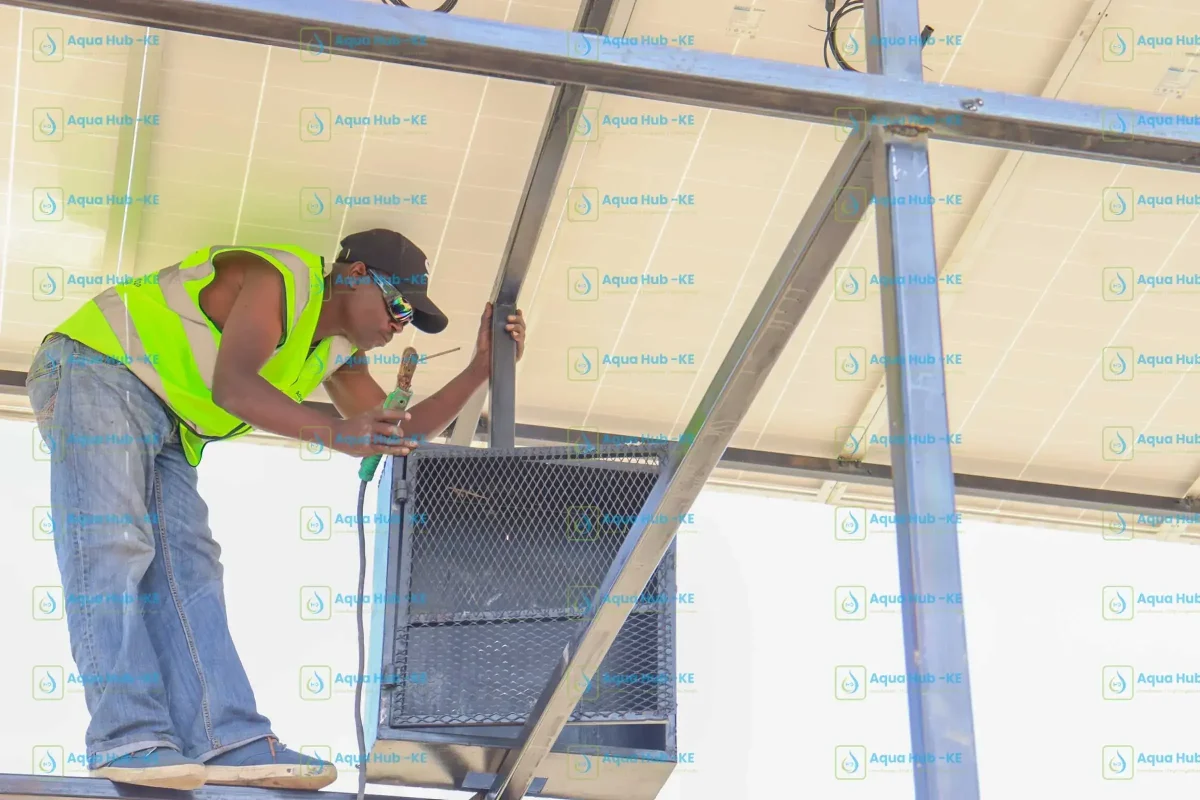
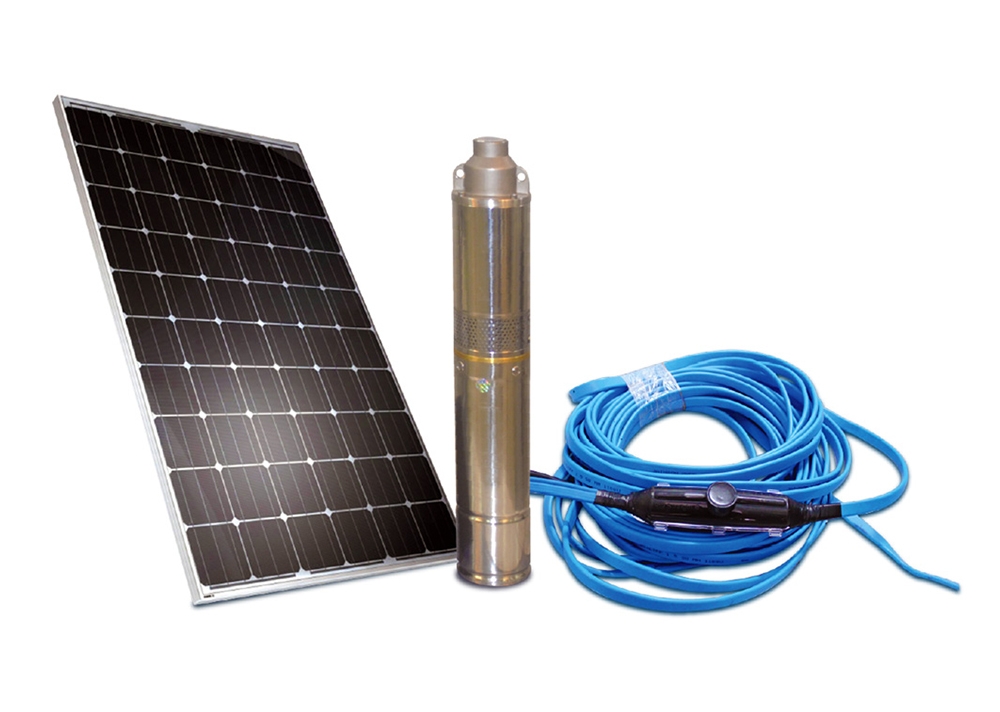
A solar pump system works only when its parts match each other. Therefore, we supply matched equipment instead of loose items from different sources. Our solar pumping range includes:
- Solar panels
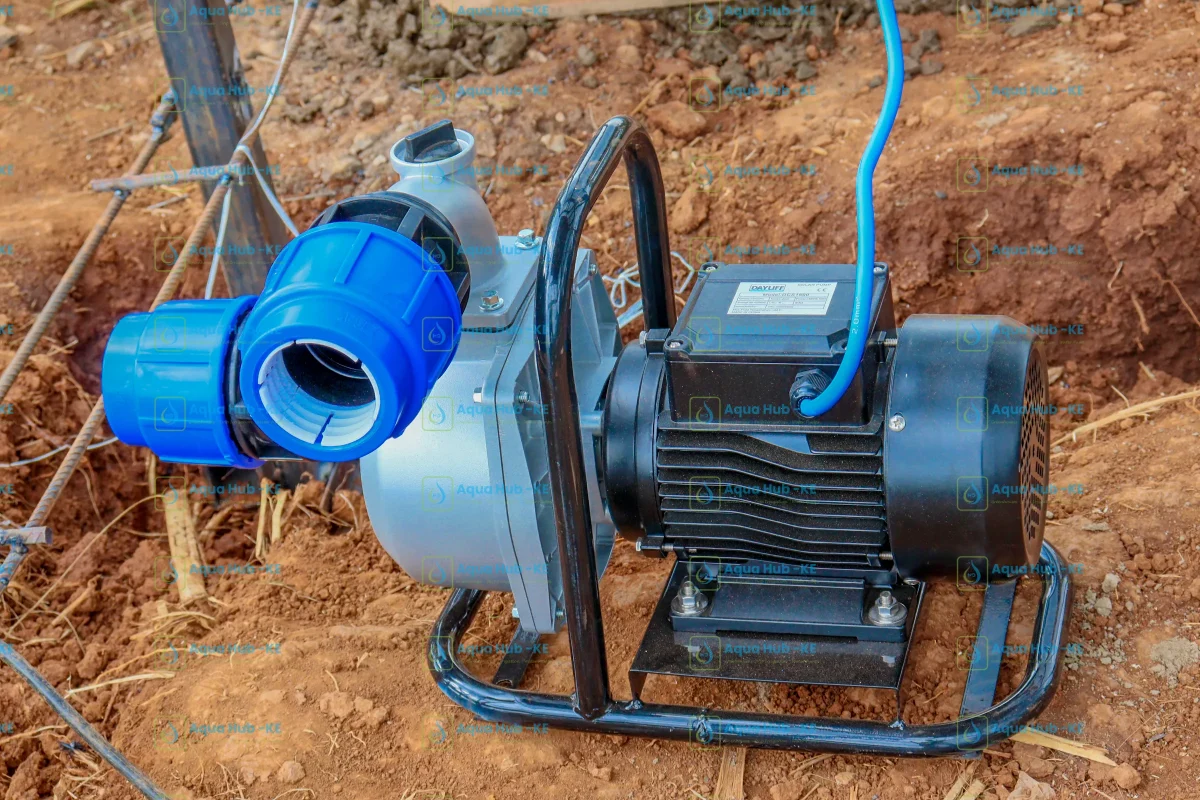
- Surface pumps
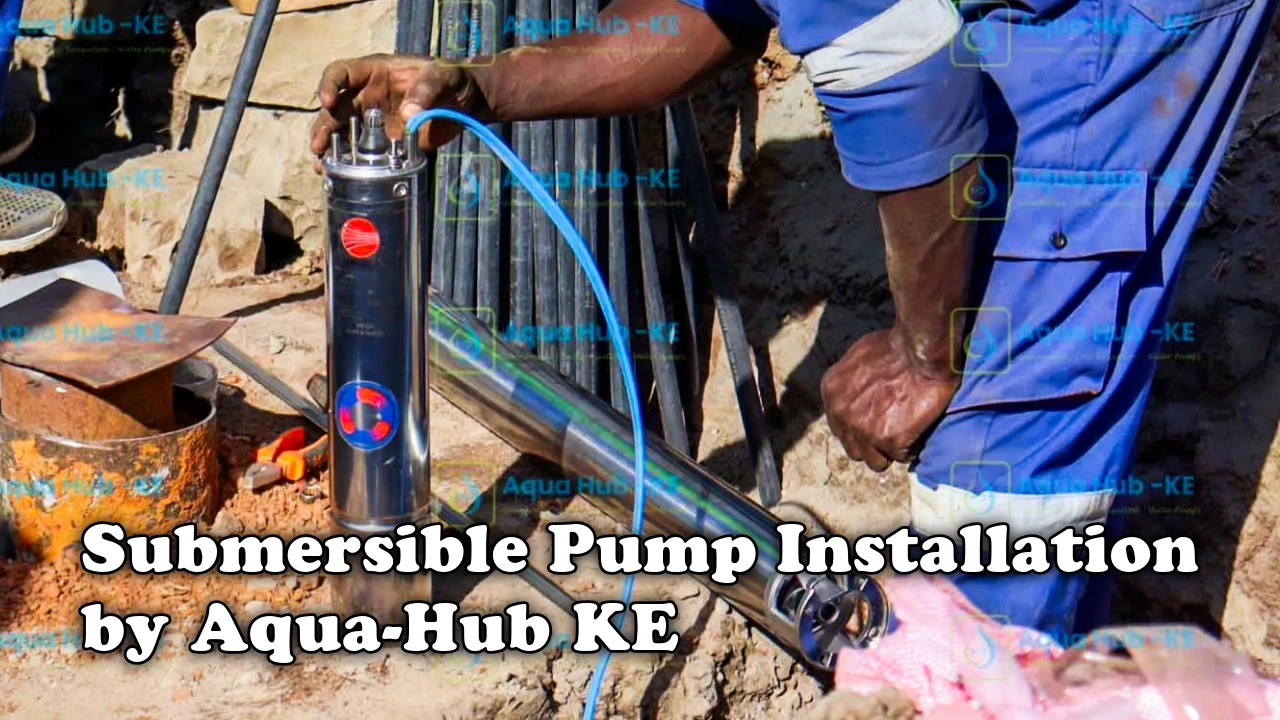
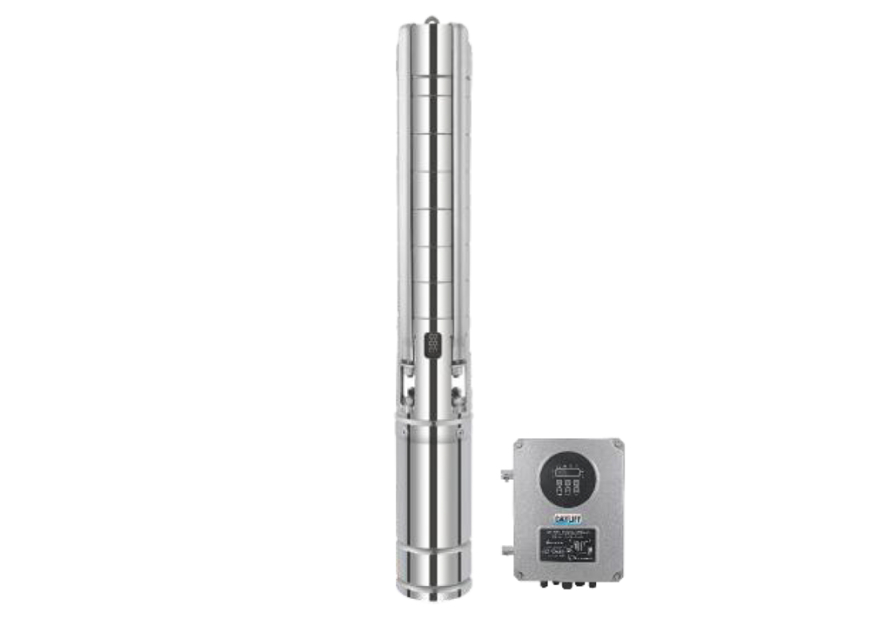
- Submersible pumps
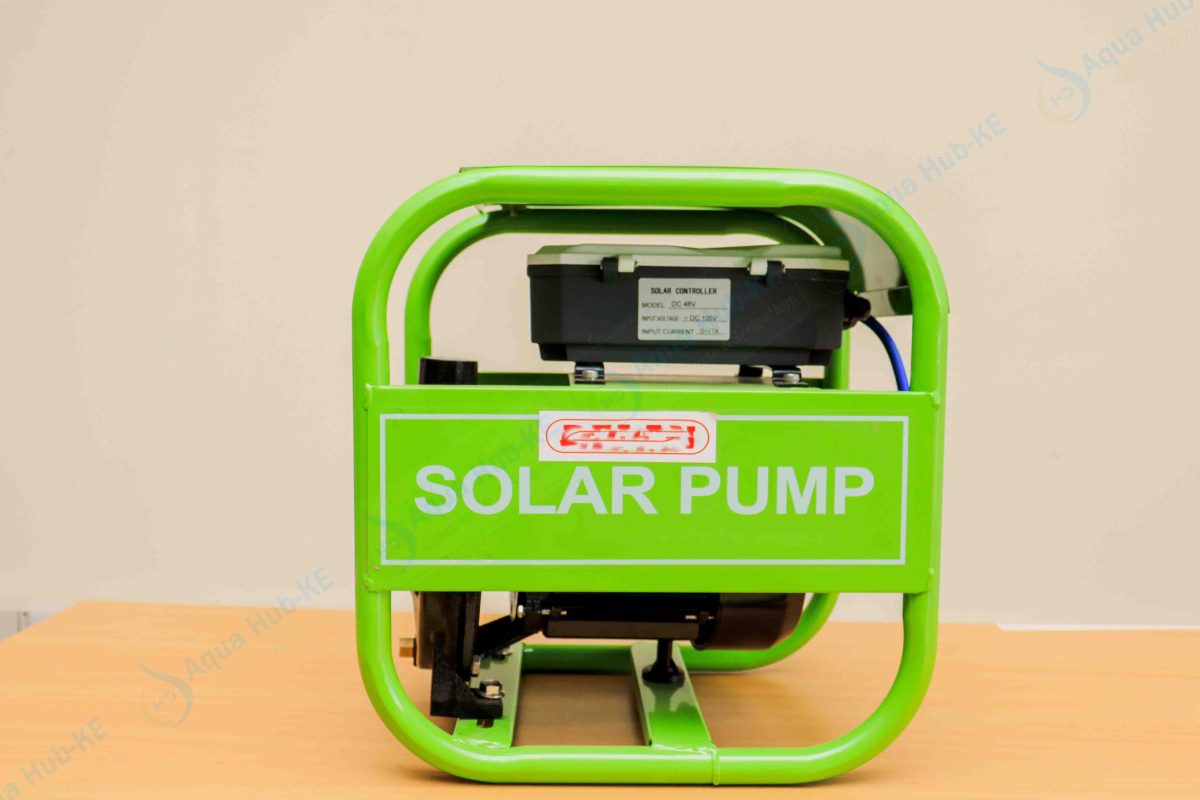
- Controllers and inverters
Each part has a clear job. Panels collect sunlight and turn it into electricity. Then the controller or inverter manages that power so the pump runs smoothly and stays protected. Finally, the pump moves water from your source to your tank or field.
Matching Aqua Hub Kenya pumps to your water source
Your water source decides which pump suits your farm. Tell us where your water sits, and we recommend the pump that fits it. This step comes early in any solar panel installation, because the pump sets the power the panels must deliver.
Surface pumps from Aqua Hub Kenya for dams and ponds
A surface pump sits above ground and draws water from a source close to it. Consequently, it suits dams and ponds where the water is easy to reach. Choose this option when you need a simple setup for open water.
Choose a submersible pump from Aqua Hub Kenya for deep water
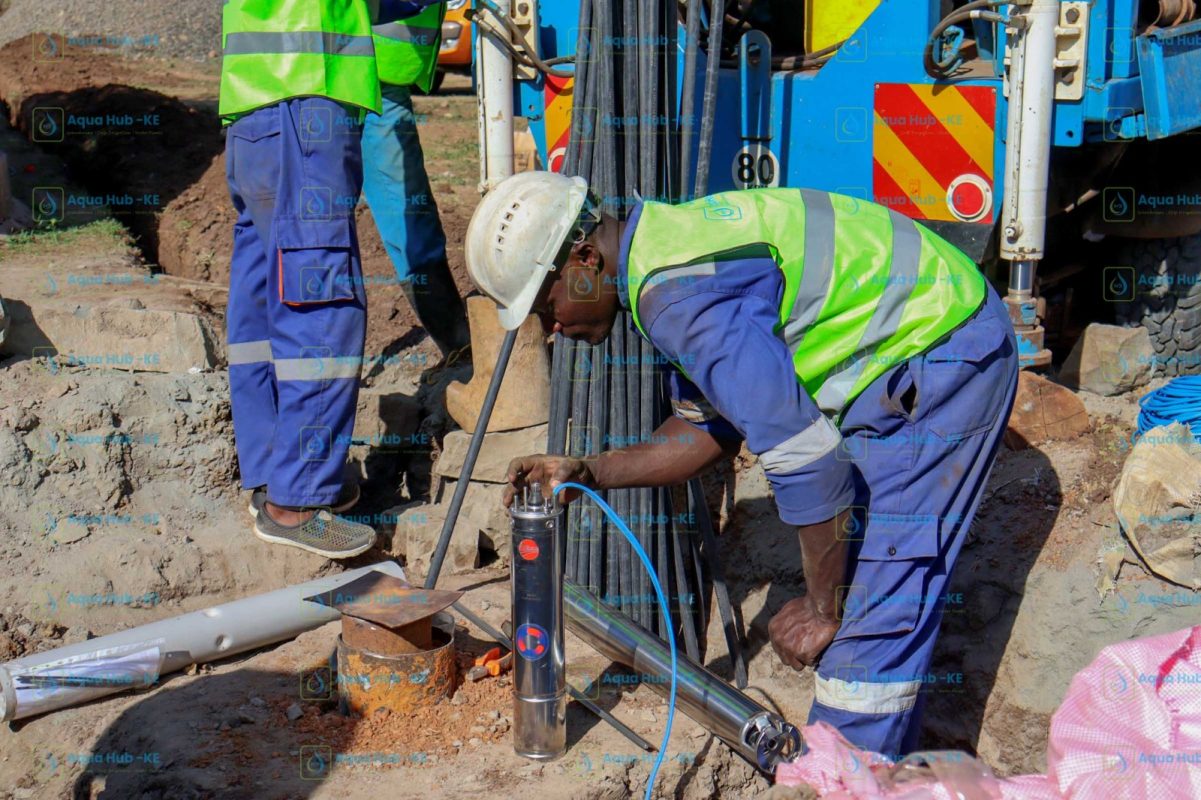
A submersible pump sits inside the borehole or well, below the water level. This position lets it push water up from depths that a surface pump cannot reach. When you power it with solar panels, you also avoid carrying fuel to a remote borehole.
What farm jobs can solar panel installation for pumps cover?
Solar pumping does more than fill a single tank. For instance, the same system can supply a drip line, a sprinkler block, a trough for your animals or a household tank. As a result, one investment can cover several water needs on the farm.
Think about the jobs your water must do before you plan the system. Crop irrigation needs steady flow across the growing season, while livestock watering needs a reliable supply every day. Household use also needs clean water delivered to a tank near the house. When you list these jobs, our team can size your solar panel installation to cover all of them.
How many panels does your solar panel installation need?
The number of panels depends on the pump’s power rating, the depth of your water and the volume you need each day. Accurate sizing is the foundation of good solar panel installation. A bigger pump or a deeper borehole needs more panels.
We size the array using these details:
- The pump’s power rating
- The depth of the borehole or the lift from the water source
- The daily water volume you need
- The distance between the pump and the panels
- The sunshine your site receives
Because panels produce the most power in strong midday sun, pump water into a storage tank while the sun shines. That way, you still have water after dark. In turn, you avoid running the pump when sunlight is weak.
How Aqua Hub Kenya carries out solar panel installation
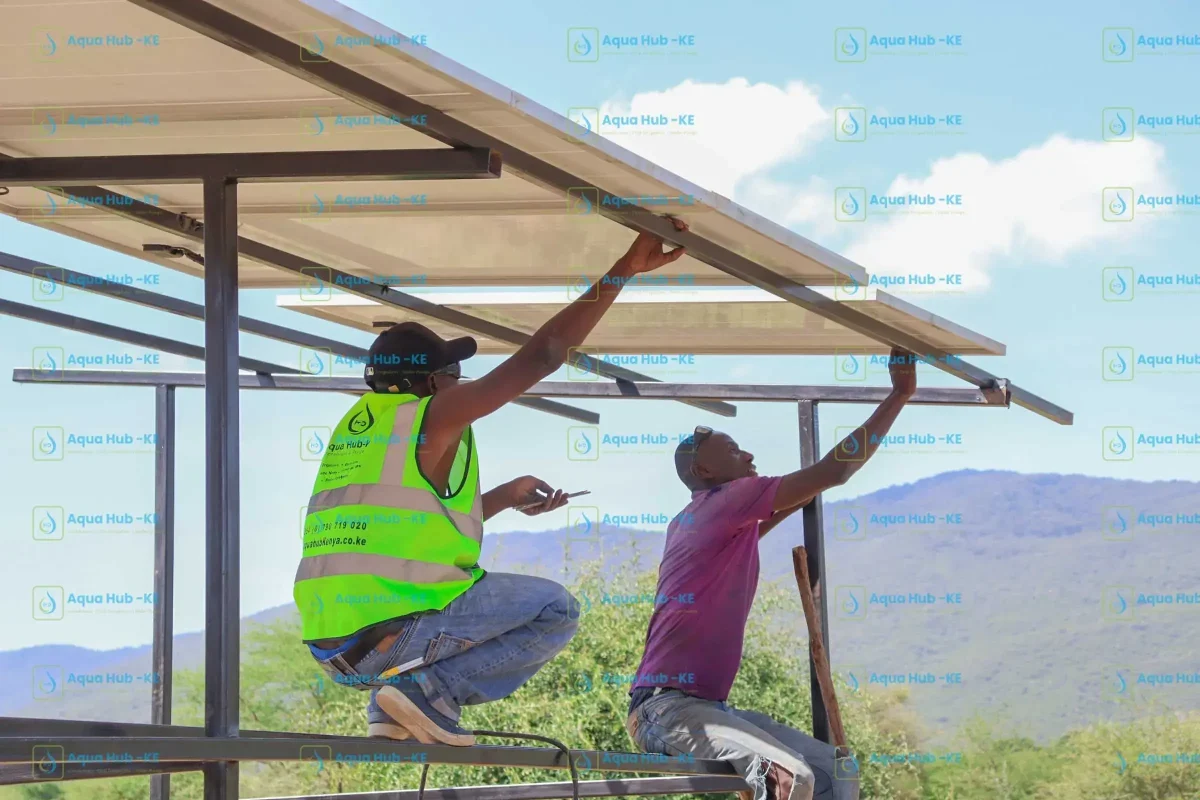
Our team follows a clear order of work so your system runs properly from day one. The work moves through these stages:
- We discuss your water source, pump needs, budget and farm size with you
- We supply the matched equipment for your pump and power needs
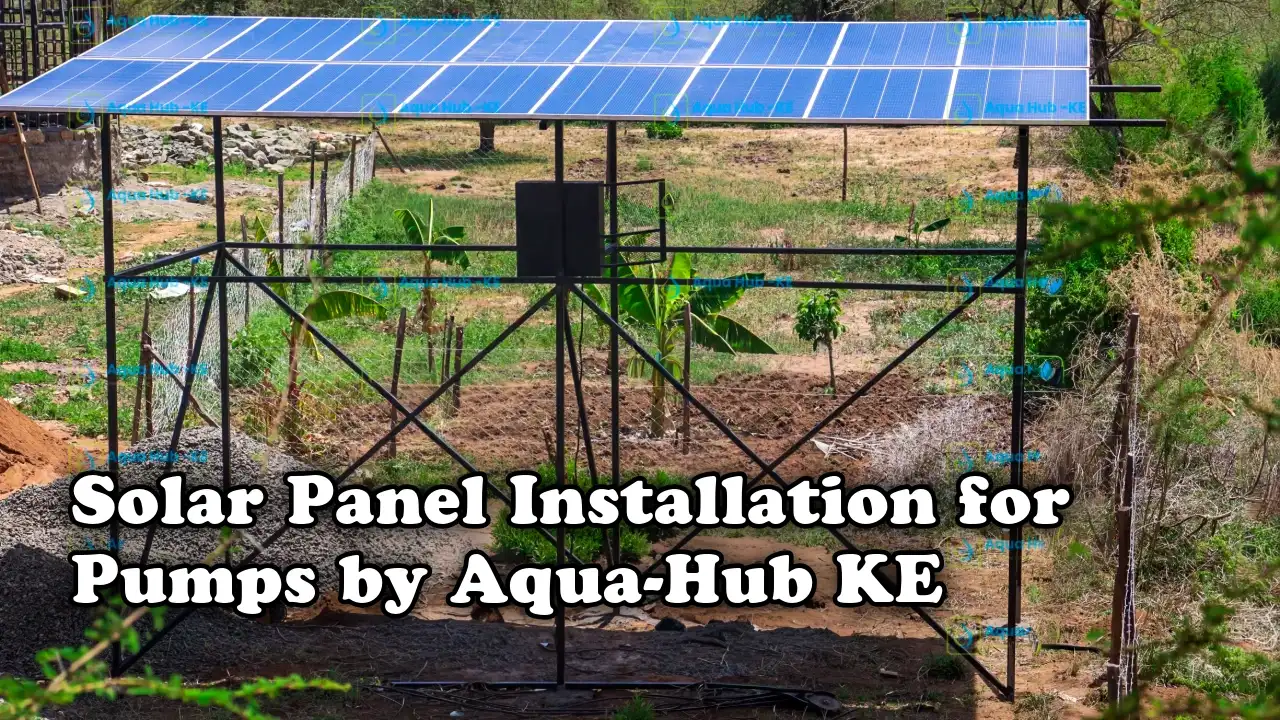
- Our team mounts the panels where they catch full sun without shade
- We wire the panels to the controller or inverter and connect the pump
- We test the full system and commission it before handover
Placement matters, because shade on part of an array lowers its output. For this reason, we pick a mounting spot that stays clear of trees and buildings. After commissioning, your pump is ready to deliver water.
Care tips that keep your solar panel installation working
Solar systems need little attention, but a few habits protect your investment. Follow these routines to keep output high:
- Wipe dust off the panels often
- Cut back shrubs and grass that cast shade
- Check the pump’s water flow regularly
- Keep the pump from running dry
- Inspect cables and connections for damage
Clean panels produce more power, so a quick wipe pays off. If the flow drops, email info@aquahubkenya.co.ke so our team can advise you. Regular care also helps your solar panel installation deliver steady water season after season.
Why choose Aqua Hub Kenya for solar panel installation?
Farmers value one team that handles everything from supply to commissioning. At Aqua Hub Kenya, we sell the panels, pumps, controllers and inverters, and we install them ourselves. As a result, nobody passes your project between suppliers.
Our approach starts with your water source and your daily needs, so each solar panel installation fits your farm. Furthermore, we match the pump, the number of panels and the controller to the job you want done. You get a system built around your farm, ready to work from the first sunny day.
Ready to stop paying for fuel? Email info@aquahubkenya.co.ke with your location and water source, and our team will guide you through the next steps.
Frequently Asked Questions
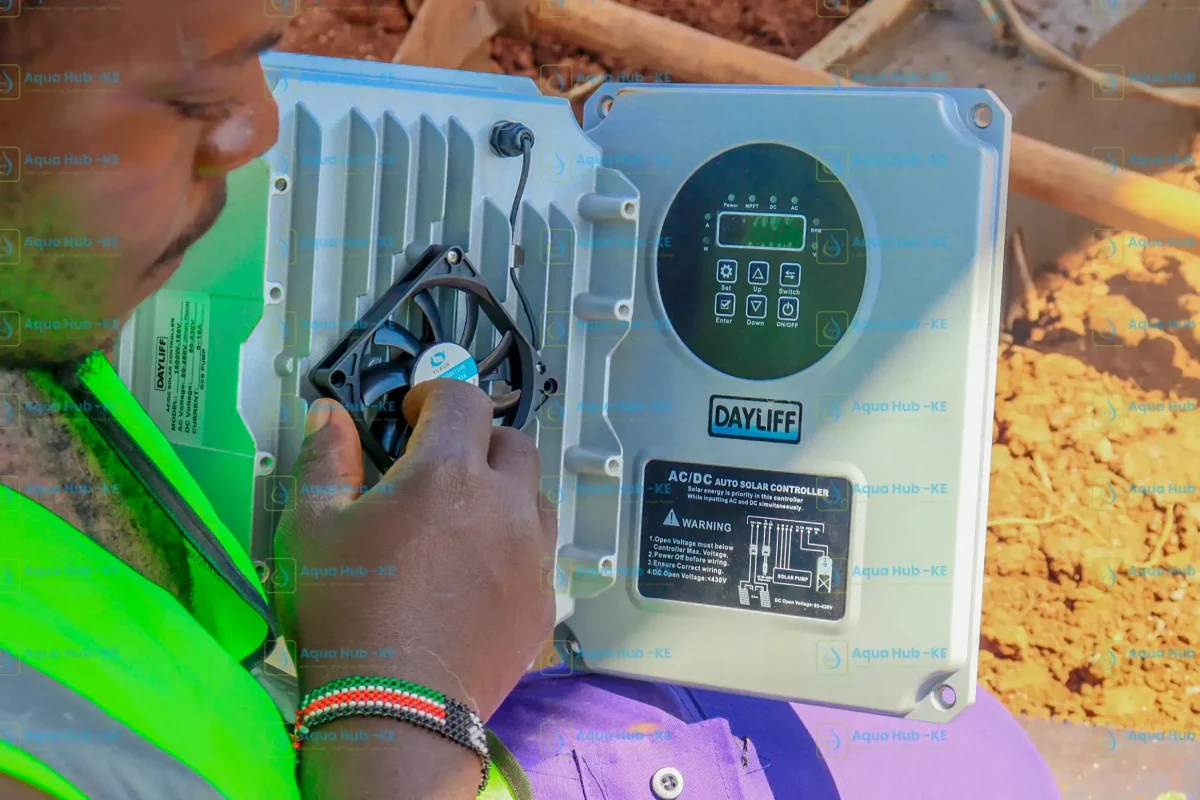
Solar pump controller by Aqua Hub Kenya
How much does solar panel installation for pumps cost?
The cost of solar panel installation for pumps ranges from KES 500,000 to KES 2,500,000, depending on system size and use. Call or email for the exact price of your project.
Does solar panel installation for pumps need batteries?
Solar panel installation for a pump does not need batteries because the pump runs while the sun shines. Many farms store water in a tank instead.
What happens during solar panel installation for a pump?
During solar panel installation for a pump, the team mounts the panels, wires the controller, connects the pump and tests the system. The pump is then ready for use.
Can a solar pump work on cloudy days?
A solar pump works on cloudy days, but it delivers less water than in bright sun. A storage tank helps you keep a steady supply.
How many solar panels does a pump need?
The number of solar panels a pump needs depends on its power rating, the depth of your water and your daily water needs. A proper site assessment gives the exact count.
What is the difference between a surface pump and a submersible pump?
A surface pump sits above ground and draws water from a nearby source. A submersible pump works underwater, so it suits boreholes and deep wells.
How do I maintain a solar panel installation used for pumping water?
To maintain a solar panel installation used for pumping water, wipe off dust and clear any shrubs that cast shade. Check the pump’s water flow often as well.
Can solar panel installation power an irrigation system?
Solar panel installation can power an irrigation system by moving water from your source to the field or a tank. Match the pump size to the area you irrigate.
Final Thoughts on solar panel installation for pumps
Solar power frees your farm from fuel bills and gives you water whenever the sun shines. The right pump, panel count, controller and inverter deliver dependable water for crops and livestock. Careful sizing and simple upkeep keep that supply steady.
The price of solar panel installation for pumps ranges from KES 500,000 to KES 2,500,000, depending on how you plan to use the system. Email info@aquahubkenya.co.ke or dial the number +254790719020 to get the exact price for your project.