Blog
Solar Powered Centrifugal Pump Installation by Aqua Hub Kenya

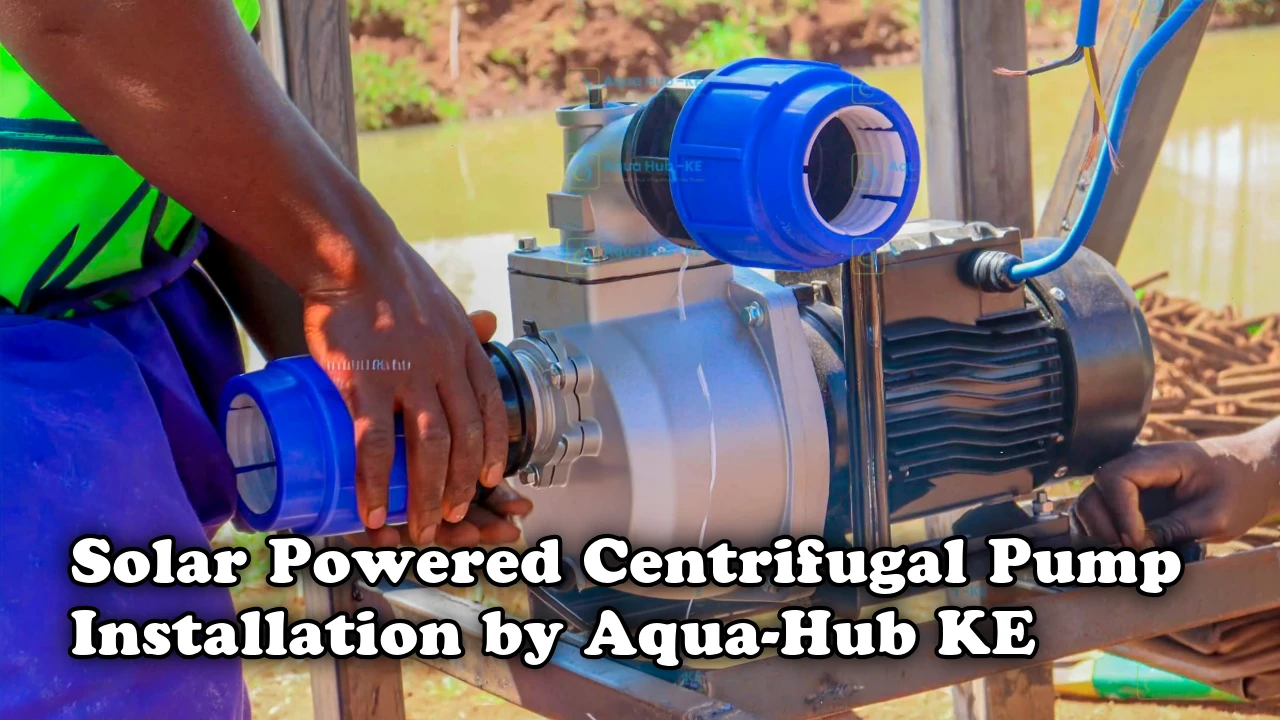
Solar powered centrifugal pump installation from Aqua Hub Kenya starts at KES 60,000 for a 0.5 HP system, and the final price depends on the size of the system and your water source.
A solar powered centrifugal pump uses electricity from solar panels to turn an impeller that moves water. It needs no fuel and no grid connection, which makes it a practical choice for farms and homes far from the power lines. However, a poor installation reduces the water delivered, because air leaks and badly matched parts affect performance.
Aqua Hub Kenya supplies solar pumps and installs them with the pipework that serves them. Share the details of your water source and your field by emailing info@aquahubkenya.co.ke or calling +254790719020, and our team will recommend a suitable setup.
What does a solar powered centrifugal pump cost at Aqua Hub Kenya?
The price depends mainly on the size of the system. The table below shows the two sizes we supply and install, with the work each one suits:
| System size | Suited to | Price range |
|---|---|---|
| 0.5 HP | Small plots and household use | KES 60,000 to KES 90,000 |
| 3 HP | Larger water demands | KES 250,000 to KES 350,000 |
Your final quote depends on how far and how high the water must travel, and on how much water you need each day. For an exact price, call +254790719020 or email info@aquahubkenya.co.ke with those details.
What happens inside a solar powered centrifugal pump system from Aqua Hub Kenya
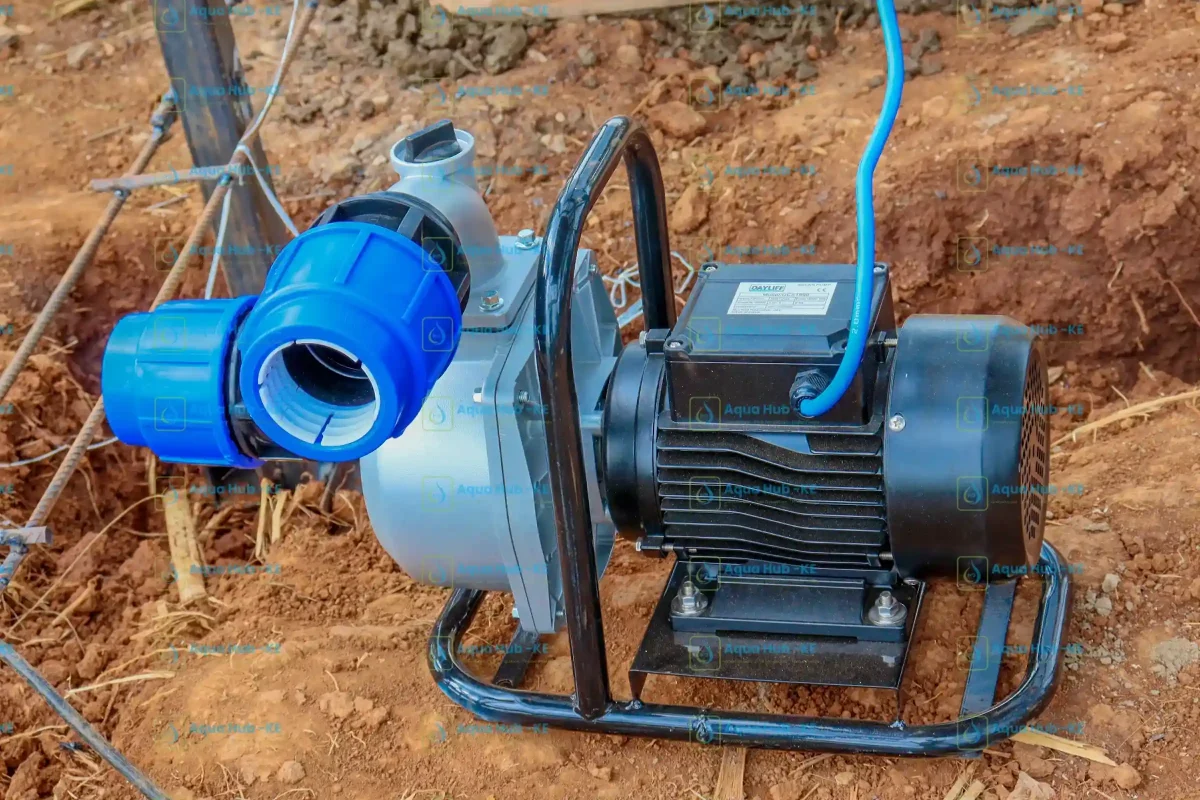
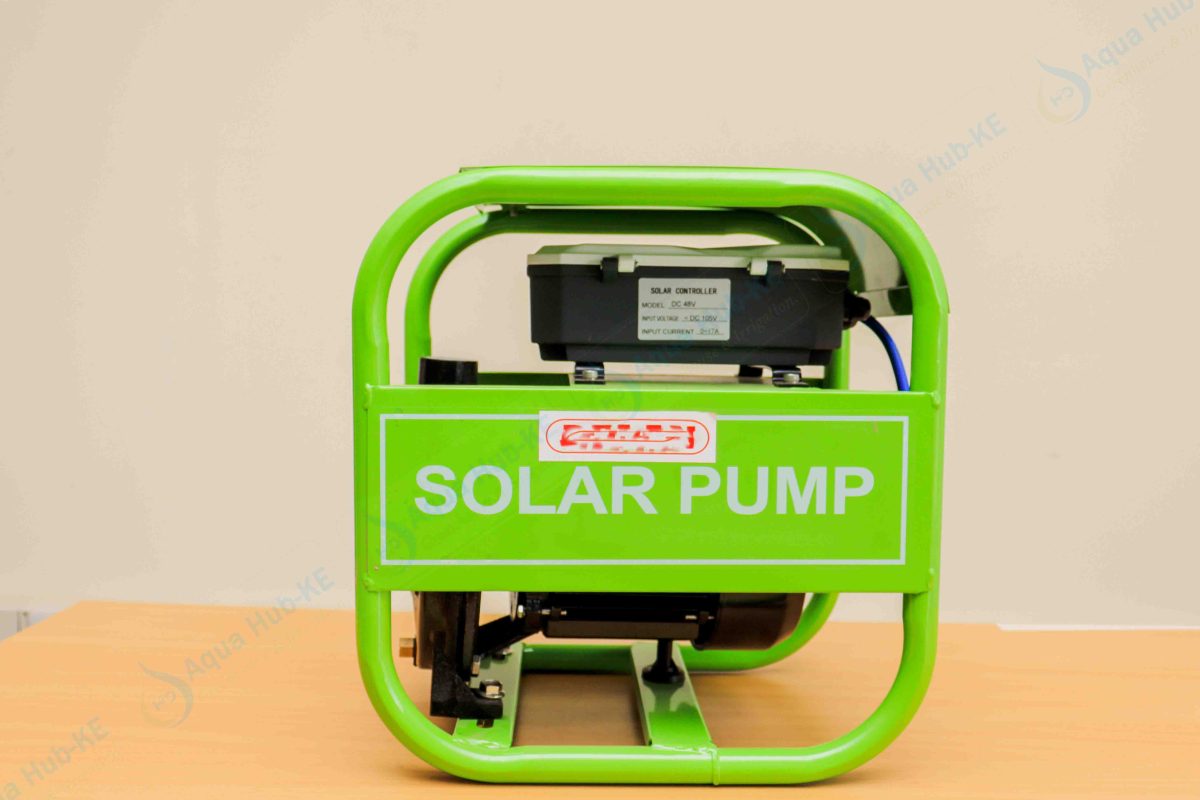
The solar panels produce electricity when sunlight falls on them. A controller regulates this power and sends it to the motor, and the motor turns the impeller at high speed. The spinning blades push water outward from the centre of the casing, which lowers the pressure there and draws more water in through the suction pipe. The water then leaves through the delivery pipe at higher pressure.
The output of the system follows the strength of the sunlight. The pump runs faster in strong sun and slower under cloud. As a result, many farmers use the pump to fill a storage tank during the day and draw from the tank when they need water.
Where a centrifugal pump works best with solar power
A centrifugal pump suits clean water that sits close to the pump. These are the jobs where we install it most often:
- Filling raised tanks from a dam or river
- Supplying drip lines and sprinklers from a storage tank
- Watering livestock troughs on remote land
- Moving water from a shallow well
- Supporting household supply where grid power is unreliable
Planning a solar powered centrifugal pump installation with Aqua Hub Kenya
Good installation starts with planning. Before any work begins, the Aqua Hub Kenya team looks at the water source and decides where the pump should stand and how the pipes should run. We also check how much sun reaches the site, since the panels need clear exposure for most of the day.
Estimating how much water you need each day with Aqua Hub Kenya
The pump must match the demand it serves. A system that is too small runs for long hours and still leaves tanks half full, while one that is too large costs more than the job requires. We ask about your crops, animals or household use, and then we suggest between the 0.5 HP and 3 HP options.
Working out how high and how far the water must travel
A centrifugal pump can draw water over a limited height, hence it must stand close to the water. We measure the vertical distance from the water to the pump, and then the distance and height the water must travel after the pump. These figures decide whether the chosen system suits your site.
Positioning the pump and panels for a solar powered centrifugal pump
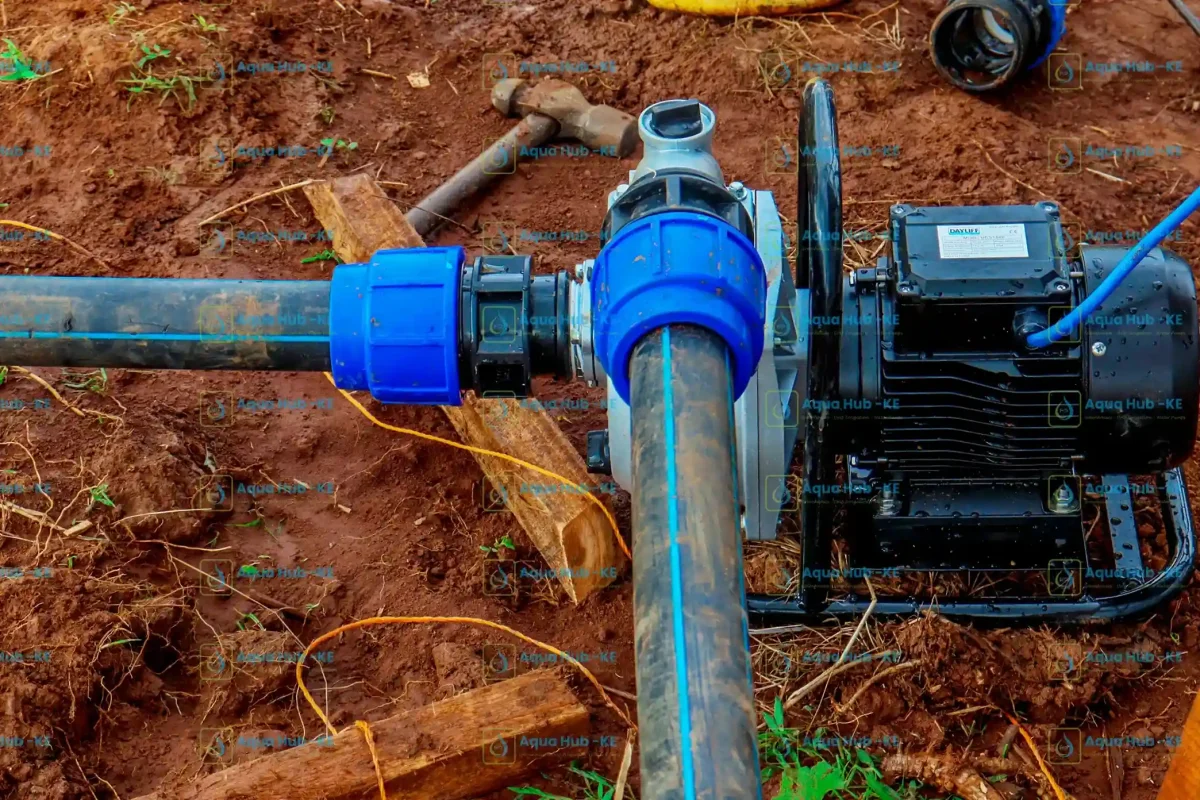
The location of the pump affects how long it lasts. It should stand on firm, level ground under cover, with enough space around it for servicing.
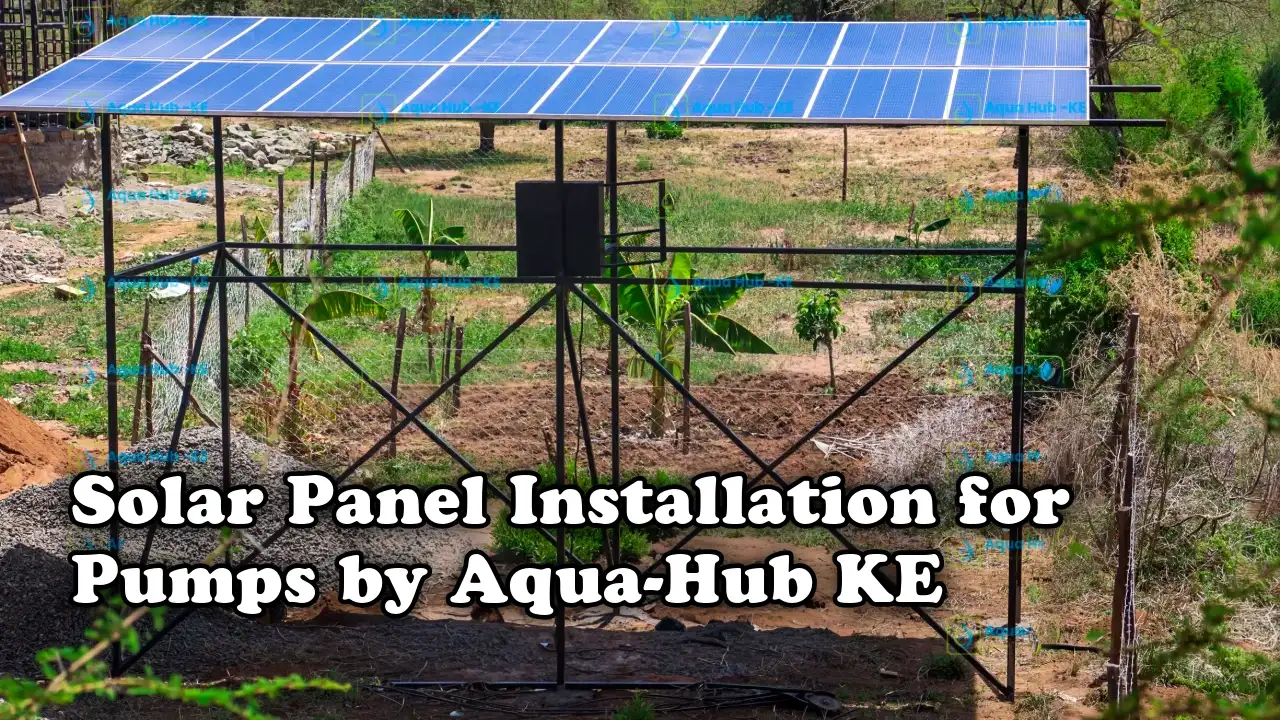
A solid base also matters. A concrete block or a similar firm platform holds the pump steady and reduces vibration, which protects the joints over time. The panels have their own needs: they should face the sun and stay clear of shade from trees and buildings from morning to afternoon.
Step-by-step installation of a solar powered centrifugal pump by Aqua Hub Kenya
Once planning is complete, the work follows a set order. Our technicians cover the pump side of the job in these stages:
- To start, the pump is fixed to its base and checked for level
- The suction pipe follows, fitted with a foot valve and a strainer at the water end
- Next, the delivery pipe is joined, with a non-return valve and a control valve
- The panels are then connected to the controller, and the controller to the motor
- With every connection tight, the casing is filled with water to prime the pump
- The system is started in full sun, and the flow and pressure are measured
- Lastly, each joint is inspected for leaks before handover
To book installation, call +254790719020 or email info@aquahubkenya.co.ke with your location and a short description of your site.
How Aqua Hub Kenya fits the suction side to prevent air leaks
The suction side is where most faults begin. Every joint must be sealed, because a small air leak stops the pump from drawing water. The foot valve keeps water in the pipe when the pump stops, and the strainer keeps debris out of the impeller.
Delivery pipe, valves and tank connection from Aqua Hub Kenya
The delivery pipe should match the size recommended for the pump, since a narrow pipe raises the load on the motor. A non-return valve stops water from flowing back when the pump switches off. A control valve lets you adjust the flow..
Connecting the controller and the motor
The cable, controller and protective devices must suit the motor rating. Correct protection guards the motor against faults, and neat wiring keeps the connection safe and easy to inspect. Electrical work should always be done by trained people.
Priming and testing a solar pump with Aqua Hub Kenya
A centrifugal pump must hold water in its casing before it starts. If it runs with air inside, it cannot draw water, and the motor may overheat. Priming means filling the casing and the suction pipe with water and removing the trapped air.
After priming, we start the system in bright sunlight and watch the pressure and flow. We listen for unusual noise and check that the motor stays at a normal temperature. Note the flow and pressure at handover, because these figures give you a reference for later checks.
Storing water for night and cloudy days with Aqua Hub Kenya
A solar pump works only while the panels receive light. Therefore, a storage tank is the usual way to keep water available at all hours. The pump fills the tank while the sun shines, and your taps, troughs or irrigation lines draw from the tank at any time.
Where the ground allows, place the tank higher than the point of use. Gravity then carries the water through the pipes, which reduces the pressure the pump must provide.
Installation mistakes Aqua Hub Kenya sees with solar powered pumps
Most early failures come from a few repeated errors. Watch out for these:
- Mounting panels where trees or walls cast shade
- Leaving air leaks in the suction pipe or joints
- Starting the pump with no water in the casing
- Placing the pump too far above the water level
- Using a delivery pipe that is narrower than the pump needs
- Fitting thin cable between the panels and the controller
If you are unsure about any of these points, email info@aquahubkenya.co.ke before you buy or install, and we will advise you.
Routine care for your Aqua Hub Kenya solar pump

Regular care keeps the pump reliable for years and costs very little compared with a repair. Follow these habits:
- Wipe the panels clean so they collect as much sunlight as possible
- Check the suction joints for air leaks
- Clear the strainer of debris and silt
- Never run the pump without water
- Listen for changes in noise or vibration, which can point to wear
If the flow drops or the pump becomes noisy, switch it off and call +254790719020 so that a technician can advise you.
Why choose Aqua Hub Kenya for solar powered centrifugal pump installation?
A solar pump is a long-term purchase, so a clear choice of sizes matters. Aqua Hub Kenya offers 0.5 HP and 3 HP systems, and we tell you plainly which one your site needs. That clarity helps you avoid paying for a larger system than your water demand requires, or buying one that falls short.
The same team that supplies the pump also installs it, which means the pump, pipes and controller are matched from the start. Describe your water source and your daily water need by calling +254790719020, and we will recommend a suitable setup.
Frequently Asked Questions
How much does solar powered centrifugal pump installation cost in Kenya?
Solar powered centrifugal pump installation in Kenya costs from KES 60,000 for a 0.5 HP system to KES 350,000 for a 3 HP system in our range. Call +254790719020 or email info@aquahubkenya.co.ke for the exact price of your site.
What is a solar powered centrifugal pump?
A solar powered centrifugal pump runs on electricity from solar panels and moves water with a spinning impeller. It is widely used for clean water.
Does a solar pump work on cloudy days?
A solar pump works on cloudy days at a reduced rate, because the panels produce less power in weak light. A storage tank helps cover the slower periods.
Can a solar pump run at night?
A solar pump does not run at night without a stored power source. The usual approach is to fill a tank during the day and draw from it at night.
What is the difference between a centrifugal and a submersible solar pump?
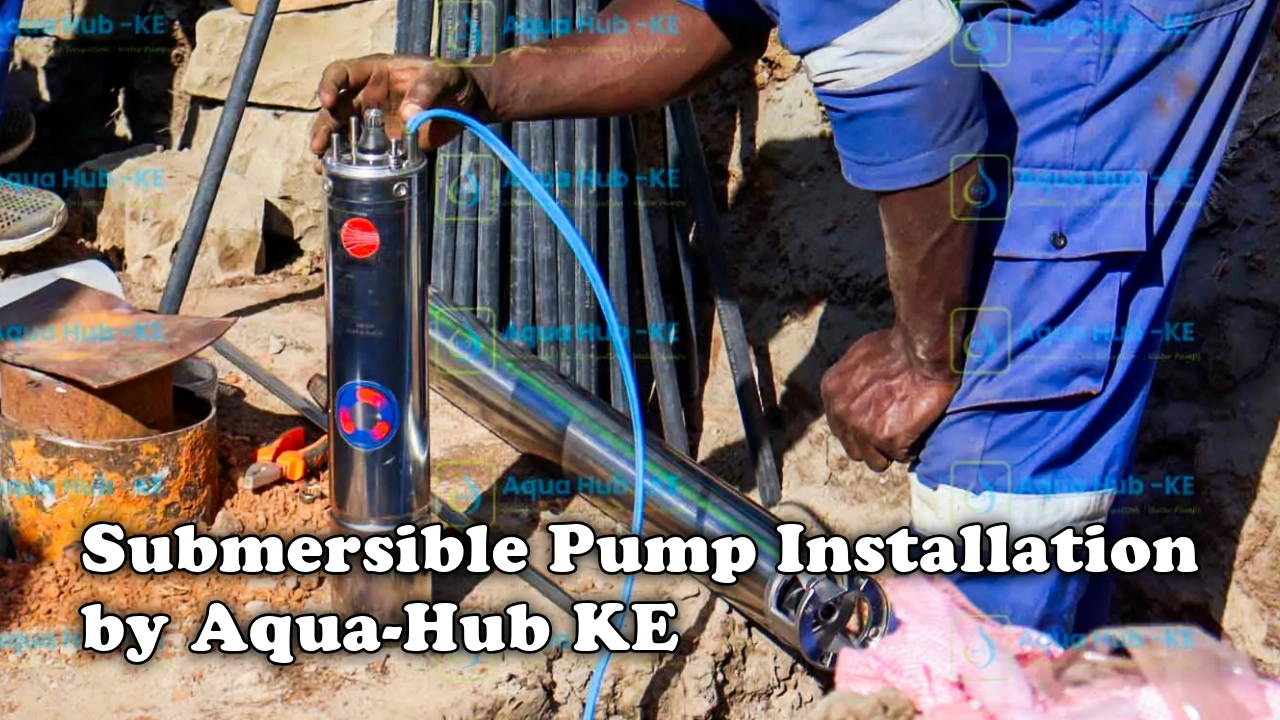
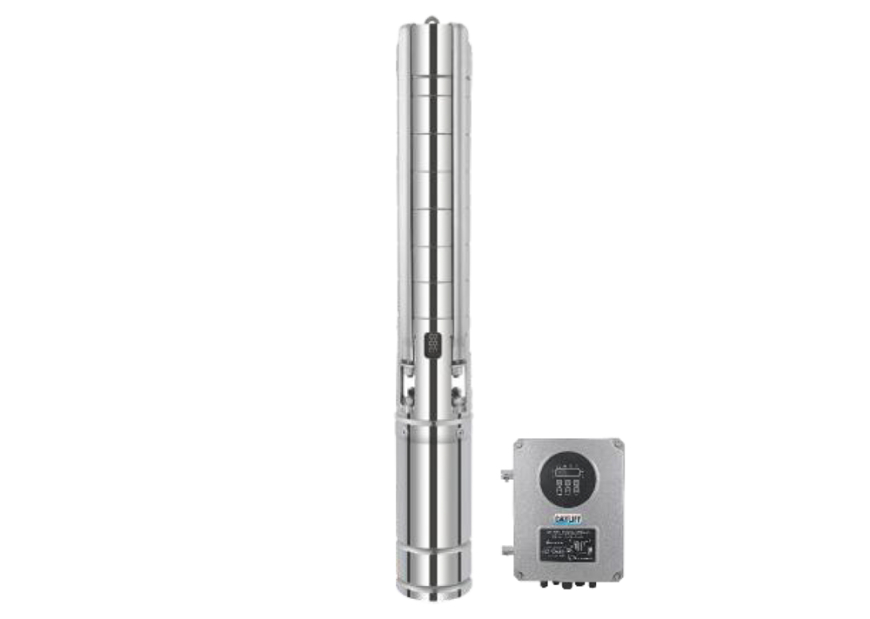
A centrifugal pump stands outside the water and draws it through a suction pipe, while a submersible pump works underwater. The right choice depends on where your water sits.
How far can a centrifugal pump draw water?
A centrifugal pump draws water over a limited suction height, therefore it must stand close to the water. The data sheet of each model gives the limit.
Why must a centrifugal pump be primed?
A centrifugal pump must be primed because it cannot draw water when its casing holds air. Priming fills the casing with water before the first start.
How do I know which size of system I need?
The size depends on your daily water need and on how far and how high the water must travel. Tell us these figures, and we will recommend a size.
Final Thoughts on solar powered centrifugal pump installation by Aqua Hub Kenya
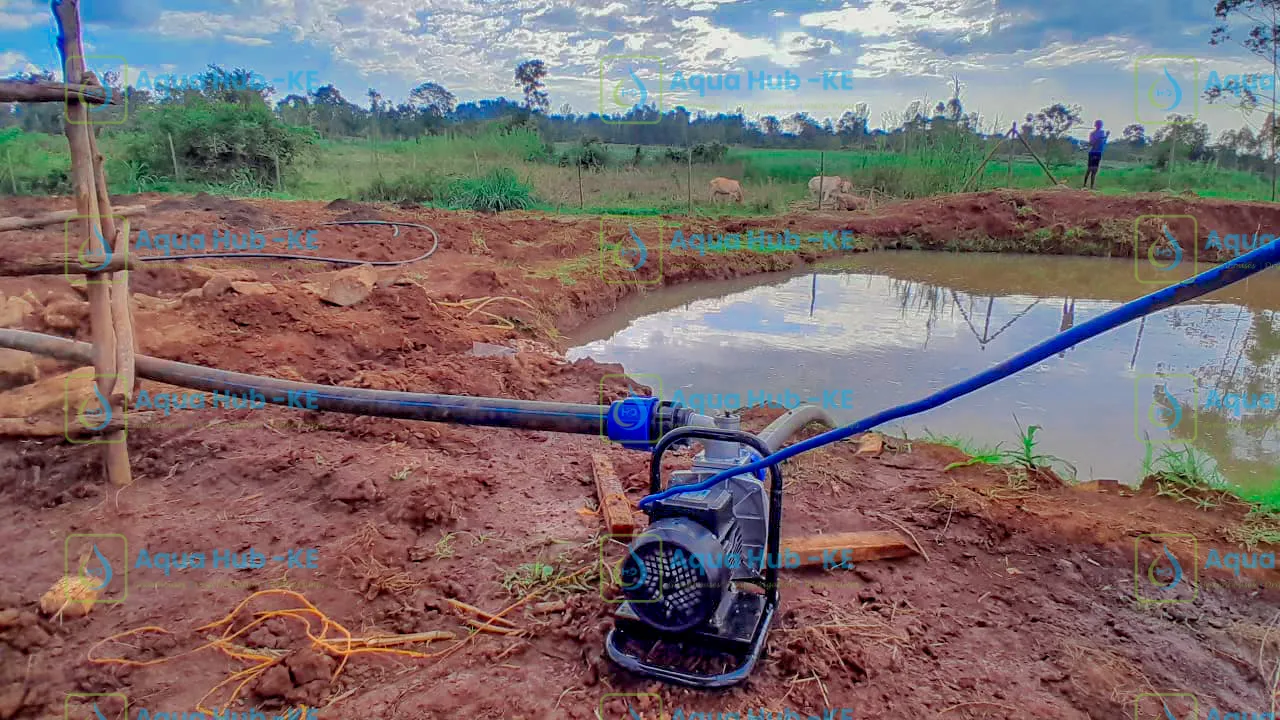
Photovoltaic Modules for Powering Solar surface Pump
A well-planned installation supports steady performance from the pump. Placing the panels in full sun, keeping the suction side tight, priming correctly and protecting the motor all add to the life of the system. With regular cleaning and simple checks, the pump continues to deliver water season after season.
Solar powered centrifugal pump installation from Aqua Hub Kenya starts at KES 60,000 for a 0.5 HP system. Call +254790719020 or email info@aquahubkenya.co.ke to get the exact price for your site.