Blog
Hybrid Submersible Pumps in Kenya

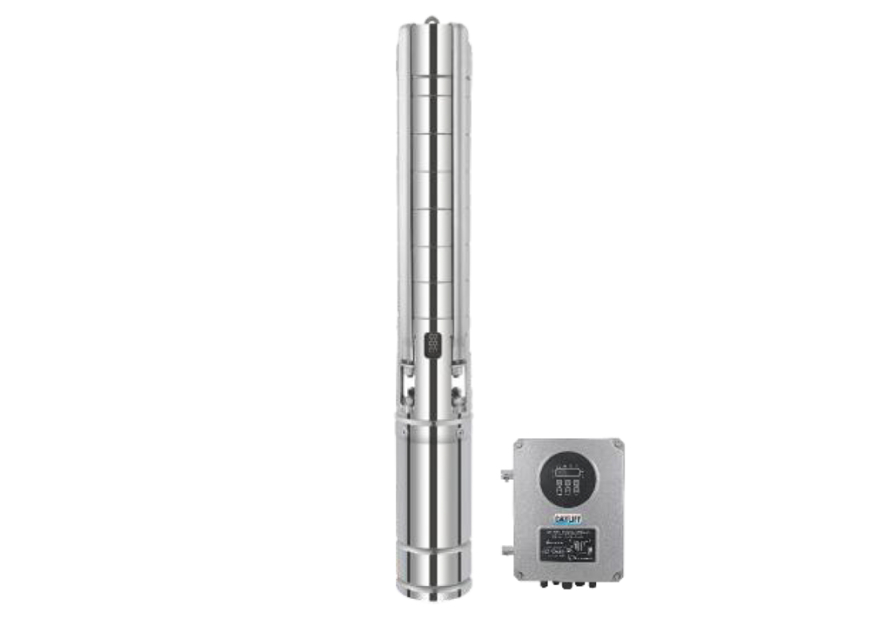
Hybrid submersible pumps use solar, grid or generator power to pump water from boreholes or deep wells. Our borehole pumps provide cost-effective water supply from boreholes and wells.
Buy hybrid AC/DC submersible pumps for borehole and home water supply at affordable prices from Aqua Hub LTD. We offer borehole pump installation and maintenance services in all regions within Kenya and East Africa.
Call 0711138312.
Hybrid Submersible Pump Prices in Kenya
| Pump Model | Price (KES) |
| AH 1100C2 | 84,500 |
| AH 1100C6 | 87,000 |
| AH 1300C3 | 94,200 |
| AH 1500C2 | 88,975 |
| AH 1500C3 | 101,670 |
| AH 2200C7 | 114,250 |
Solar Submersible Pumps for Sale
Hybrid multi-stage submersible pumps run on direct current solar power, AC grid power or generator power. The hybrid solar pumps enhance reliable borehole water supply and reduce operating costs.
Specifications of Hybrid Submersible Solar Pumps
| Model | Power (kW) | Current (A) | Input AC Voltage | Input DC Voltage | Panels | Outlet (“) | |
| No | Total Watts | ||||||
| AH 750C2 | 0.75 | 7.4 | 90-240 | 60-380 | 6x200W | 1200W | 1.25 |
| AH1100C3 | 1.1 | 6.6 | 8x200W | 1600W | 2 | ||
| AH1100C8 | |||||||
| AH1500C5 | 1.5 | 11 | 10x200W | 2000W | |||
| AH2200C9 | 2.2 | 16x200W | 3200W | ||||
Cost of Solar Water Pump Systems in Kenya
The cost of borehole water pump systems varies depending on pump size, borehole depth, and solar capacity.
| Component | Estimated Cost |
| Solar water pump | KES 80,000 – 150,000 |
| Solar panels | KES 20,000 – 35,000 each |
| Hybrid inverter | KES 70,000 – 165,000 |
| Installation | KES 20,000 – 80,000 |
Why You Need Hybrid Solar Water Pumps
With many households in Kenya struggling to access clean water, health and sustainable food production is at risk. To maintain agriculture, domestic and clean water supply, and affordable and reliable pumping solutions are essential. Hybrid solar pumps utilize solar or grid power to pump water. By use of these pumps, you have consistent water access in applications which require high water volumes.
Features of Hybrid AC/DC Solar Submersible Pumps
- Durable Pump Construction: the pump components are made of stainless steel.
- Power efficiency: built-in motor controller to maximise power input efficiency.
- Dry-run protection: built-in dry-run protection
- Overload and voltage protection: the built-in MPPT controller prevents overload.
Components of a Solar Water Pumping System
- Solar panels (PV modules) – Convert sunlight into electricity.
- Solar pump inverter/controller – Regulates power and controls pump speed.
- Water pump (submersible or surface) – Moves water from the source to the point of use.
- Mounting structures – Hold solar panels securely.
- Pipes and cables – transport water and electricity.
- Water storage tank – Stores pumped water for use later.
Modern controllers use MPPT (Maximum Power Point Tracking) technology to maximise solar energy utilisation and improve efficiency.
Types of Solar Water Pumps in Kenya
Farmers typically choose between two main types of solar pumps depending on the water source.
Submersible Pumps
These pumps are installed inside boreholes or deep wells. They are ideal for deep water sources and high lifting requirements.
Surface Pumps
Surface pumps are installed above ground and used for:
- Rivers
- Shallow wells
- Water tanks
- Dams
They are cheaper but limited to shallow water depths.
Submersible Borehole Water Pump Installation
Installing a pump in a borehole requires proper planning and technical expertise.
- Borehole inspection – Determine depth and water yield.
- Pump sizing – Choose the correct horsepower and flow rate.
- Lowering the pump – Install the submersible pump with pipes and cables.
- Installing solar panels – Mount panels facing the sun for maximum efficiency.
- Connecting the inverter/controller – Controls pump operation.
- Testing the system – Ensure water flows correctly.
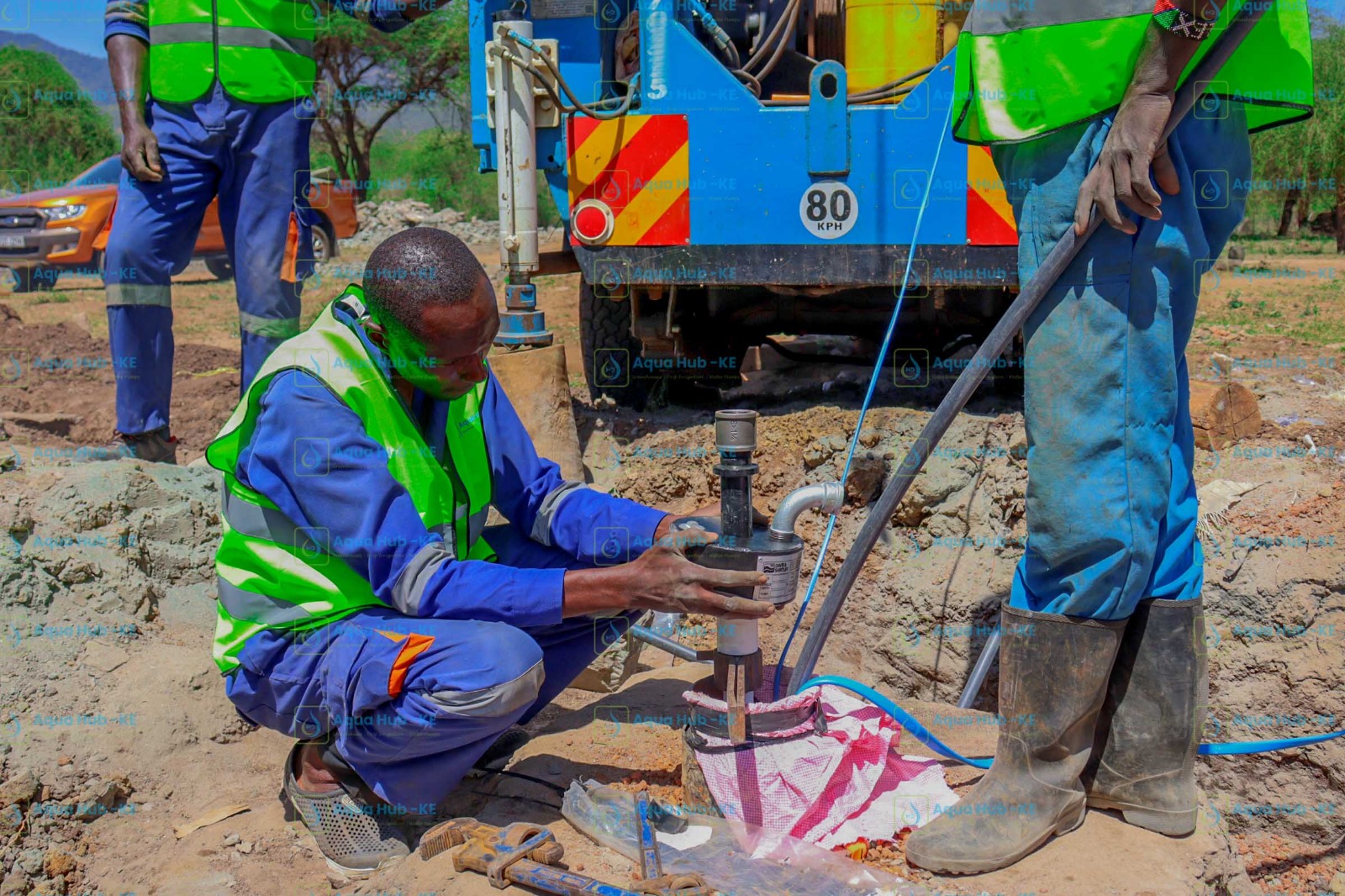
installation of a borehole pump in Kajiado
Borehole Water Pumping Accessories
Common accessories include:
- Pump cables
- Safety ropes
- Borehole pipes
- Non-return valves
- Flow sensors
- Water level sensors
- Storage tanks
How to Design a Solar Water Pumping System
Designing a solar pumping system involves calculating water demand, pump size, and solar power requirements.
What to Consider when Sizing a Hybrid Submersible Water Pump
- Daily water demand (litres per day) – how many litres of water do you need
- Power supply – assess your power access. Determine if grid power is reliable for backup on limited solar irradiance.
- Total dynamic head (TDH) – height the water must be lifted
- Borehole yield – how much water can your borehole produce?
- Storage tank size – it is also important so that you get a reliable pump that can fill water efficiently without energy wastage.
Benefits of Hybrid Solar Pumping System
- Energy savings: only consumes electricity when sunlight is unavailable, thus saving on cost.
- Reliable water pumping: still moves water for intensive applications even when solar energy is limited.
- Reduced energy costs: Eliminates reliance on diesel water pumps.
- Suitable for remote farms: works in areas without reliable electricity.
Maintenance Practices for Solar Water Pumps
- Cleaning solar panels regularly
- Checking pump cables and pipes
- Inspecting inverter and controllers
- Monitoring water levels in boreholes
- Protecting electrical components from moisture
Most solar pumps require minimal servicing compared to diesel pumps.
Trends in Water Pumping Technology in Kenya
Water pumping technology is evolving rapidly.
Key trends include:
- Smart solar pump controllers with remote monitoring
- High-efficiency brushless motors for longer lifespan
- Hybrid solar-grid pumping systems
- IoT-based irrigation monitoring
Some advanced systems now allow farmers to monitor pump performance through mobile apps.
These innovations help reduce water waste and improve irrigation efficiency.
Quick Takeaways
- Hybrid solar water pumping systems combine solar energy with grid or generator backup.
- They are ideal for irrigation, livestock watering, and borehole pumping.
- Key components include solar panels, pump inverter, water pump, and storage tanks.
- A properly designed system can pump thousands of litres per hour depending on pump capacity.
- Solar pumps reduce fuel costs and power outages.
- Technology trends include smart monitoring and high-efficiency motors.
Frequently Asked Questions
1. What is a hybrid solar water pump?
A hybrid solar water pump uses solar energy but can switch to electricity or generator power when sunlight is limited.
2. How deep can a solar pump draw water from a borehole?
Over 250 metres, depending on the pump model and power rating.
3. What are the components of a solar water pumping system?
- Solar panels
- Pump inverter or controller
- Submersible or surface pump
- Mounting structure
- Pipes and cables
- Water storage tanks
4. How much does a submersible solar pump cost in Kenya?
KES 80,000 – KES 200,000.
5. Can hybrid solar pumps work on cloudy days?
Yes. Hybrid systems can switch to grid power or generators, ensuring continuous water pumping.
6. Can I use a hybrid solar inverter without a battery?
Yes. So long as the inverter is designed to support the configuration without a battery.
7. How many solar panels are needed for a borehole pump?
This depends on pump power. A 2–4 kW pump requires 6–10 solar panels.
8. What maintenance is required for solar pumps?
Maintenance includes cleaning solar panels, checking wiring, inspecting the pump, and monitoring water levels.
9. Can solar pumps run at night?
Solar pumps normally run during the day. However, hybrid systems can operate at night using grid power or generators.
10. Where do I buy hybrid solar submersible pumps in Kenya?
Aqua Hub Kenya